
Messier 15 is a globular cluster in the constellation Pegasus. It’s best viewed in Autumn.
In August 1746, astronomers noticed the appearance of a comet called Cheseaux’s Comet. A month later on September 7, astronomer Jean-Dominique Maraldi was interested in the new arrival when he landed upon Messier 15 in the constellation Pegasus. Best viewed in the fall, M15 is known for its density! It holds more than 100,000 stars and is one of the oldest clusters in galaxy. From a bright light location, you can still see it with binoculars, but you need a larger scope to pull out individual stars
My Observations
Date: October 6, 2020
Time: 9:01p.m.
Location: Seattle, Washington
Scope: Meade 8″ ACF
Eyepiece: 10mm
Temp: 48F
Seeing: Average
Transparency: Above Average
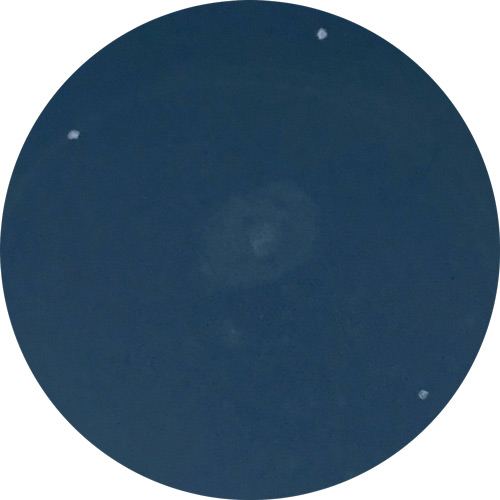
Tonight is my first time observing M15. Based on my recent observations of other globulars, this one seems smaller — even when using a 10mm eyepiece. I’m sure I would see more if the moon was not out tonight. The core is dense. It looks better using mid to high-power eyepieces.
Key Stats
| When to view | October | R.A. (2021) | 21h 30m 58.44s |
| Constellation | Pegasus | Dec (2021) | +12 15′ 30.4” |
| Visual Magnitude | +6.19 | Distance | 34,000 ly |
| Absolute Magnitude | -8.90 | Age | 12 Billion Years |
| Apparent Size | 18′ | Milky Way Locations | Perseus Arm |
| Diameter | 178 ly | My Viewing Grade | B |
Historical Observations
June 3, 1764 observation by Charles Messier
“In the night of June 3 to 4, 1764, I have discovered a nebula between the head of Pegasus & that of Equuleus it is round, its diameter is about 3 minutes of arc, the center is brilliant, I have not distinguished any star; having examined it with a Gregorian telescope which magnifies 104 times, it had little elevated over the horizon, & maybe that observed at a greater elevation one can perceive stars: I have compared it with the star Delta Equulei. I have also marked that nebula in the chart of the apparent path of the Comet of 1764.“
Sources
- Photo top of page by Adam Block/Mount Lemmon SkyCenter/University of Arizona approved under the Creative Commons Attribution-Share Alike 4.0 International license.
- Charles Messier Observations: SEDS Messier Database
- AKA: M15, NGC 7078
 The Garden Astronomer
One thought on “Messier 15 (NGC 7078): A Heavy Duty Dense Globular Cluster in Pegasus”