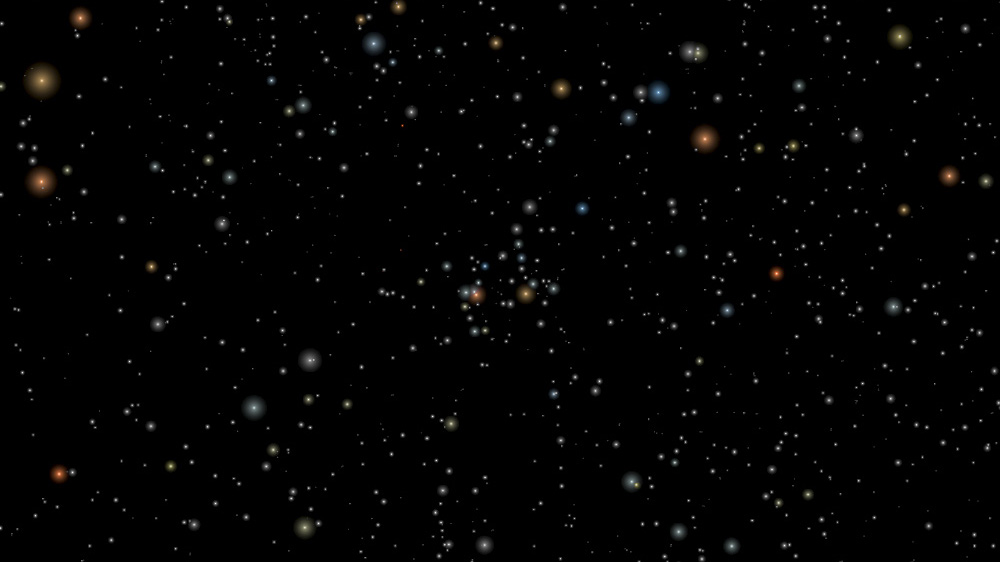
NGC 6709 is located in the constellation Aquila (the Eagle) best viewed on late summer and early autumn nights. This congregation of stars was first documented by the renowned astronomer William Herschel in 1784.
One may not find much written about the cluster, but this fact doesn’t diminish its attractiveness. Approximately 300 stars make up NGC 6709, so it’s considered to be a fairly rich cluster. Stargazers will appreciate the pretty gold and blue pair of stars mixed in with the other stars. Some other interesting facts about this stellar gathering include it’s 26 light years in diameter, around the same age as the Pleiades, and shines down from 3,500 light years away.
My Observations
| Date | September 15, 2023 |
| Time | 8:30 p.m. |
| Location | Seattle, WA |
| Magnification | 169x |
| Scope | Meade 8″ SCT |
| Eyepiece | 12mm |
| Seeing | Average |
| Transparency | Average |

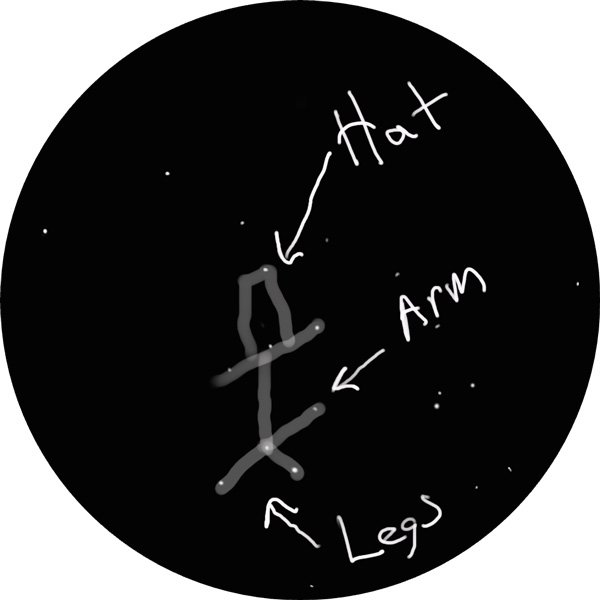
I really enjoy this cluster. It has a few colorful stars mixed in a field of white sparkles. For some reason, I see a pattern resembling an old Atari console 8-bit character with a hat walking! I didn’t observe this little walking man during the pandemic. But as I draw this sketch, my mind stays focused on this character! I’m sure from darker skies, the character would be enveloped in a sea of dimmer stars.
My first observation of the cluster was on October 5, 2020, at 8:50 p.m.: A short hop from IC4756, this cluster exceeded my expectations. The atmosphere appears to be unstable tonight as the stars in this cluster are really twinkling. I don’t mind. The stars of various magnitudes are pulsating and are alive. The movement draws me in from this outpost on earth. The brighter stars somewhat make a dipper pattern. Nice! Inside this “dipper” is a faint grouping of dimmer stars. Also, there is a pretty pair of blue and gold stars and even some darker voids making this relatively unknown cluster a notable one for me.
Key Stats
| Constellation | Aquila |
| Best Viewing | Late Summer |
| Visual Magnitude | +6.7 |
| Absolute Visual Magnitude | -3.47 |
| Distance from Earth | 3,500 ly |
| Diameter | 26 ly |
| Milky Way Location | Orion Spur |
| My Viewing Grade | A- |
Sources and Notes
Photo of NGC 6709 by Roberto Mura (taken from Stellarium) and is licensed under the Creative Commons Attribution-Share Alike 4.0 International license.
Wikimedia Foundation. (2023, March 19). NGC 6709. Wikipedia. https://en.wikipedia.org/wiki/NGC_6709
Sketch by Wayne McGraw
 The Garden Astronomer