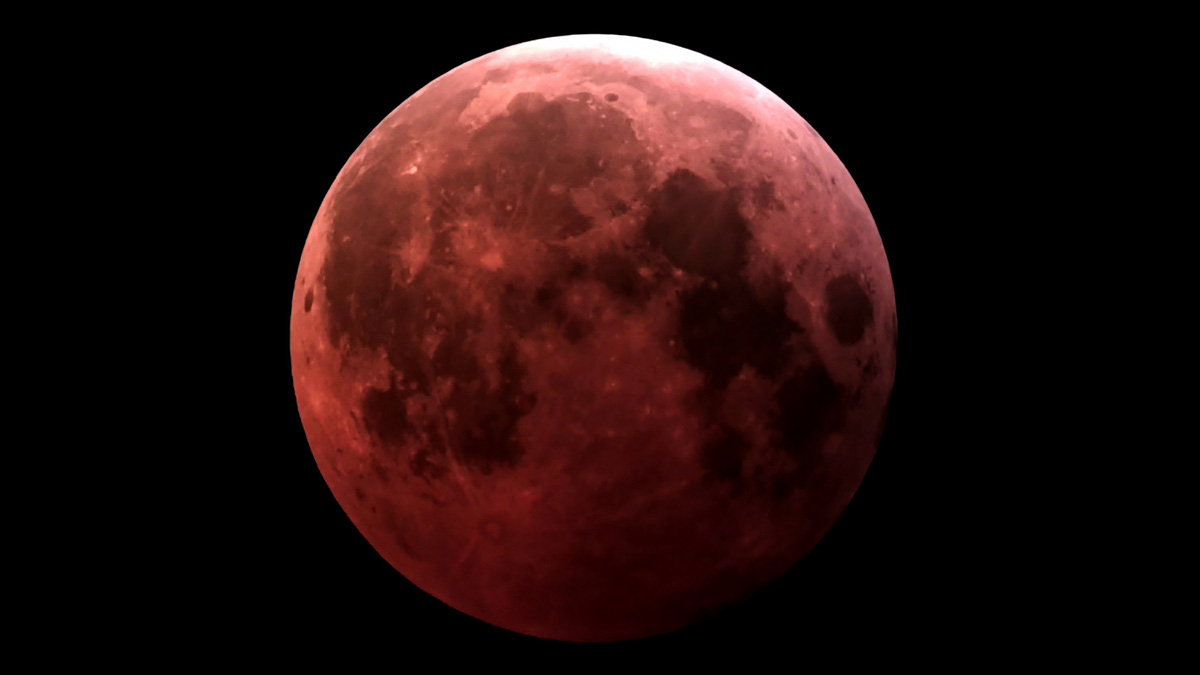
In the deep stillness of this early morning, the last sliver of white on the moon turns a copper red, marking the first time in many years that I’ve watched a total lunar eclipse. The stars, once washed away by moonlight hours earlier, poke through. Procyon burns on the western horizon setting alongside Gemini, while Spica and Regulus appear brighter and brighter.
I am grateful for extraordinary moments like these. Even for seasoned skywatchers, eclipses provide new perspectives. It feels as if our senses become more acute. During the solar eclipse in 2017, I noticed the birds chirping as if it were morning, and I suddenly felt a cooler breeze. Tonight, during this lunar eclipse, sounds seem sharper—I hear every frog and bird rustling from the nearby trees. The stars appear bolder in the sky, creating a heightened awareness of the vastness above, making the moment feel both intimate and infinite.
Photos taken with a Seestar S50, showing the progression of the eclipse:
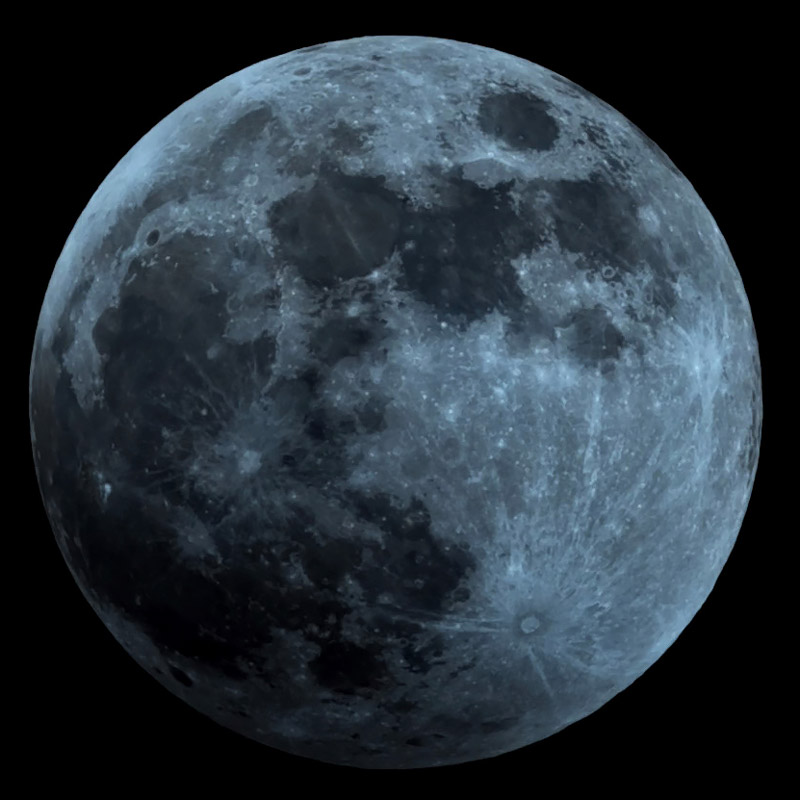
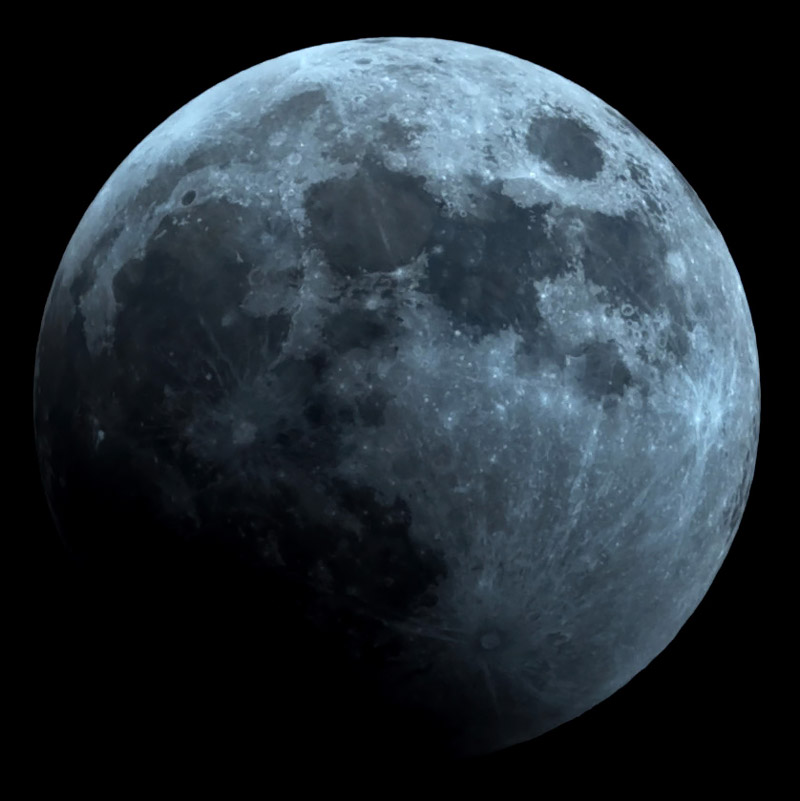
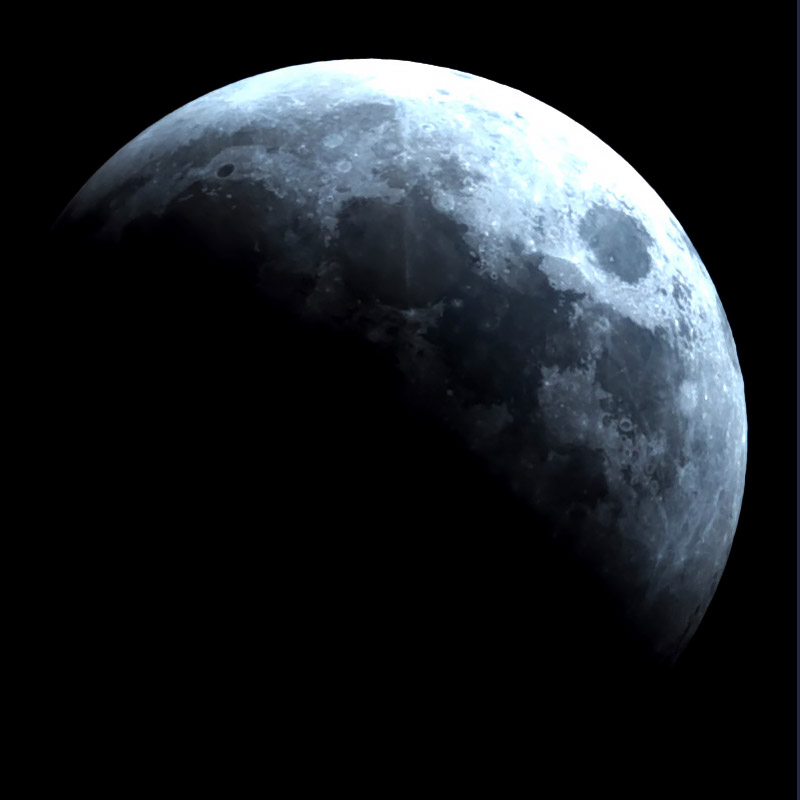
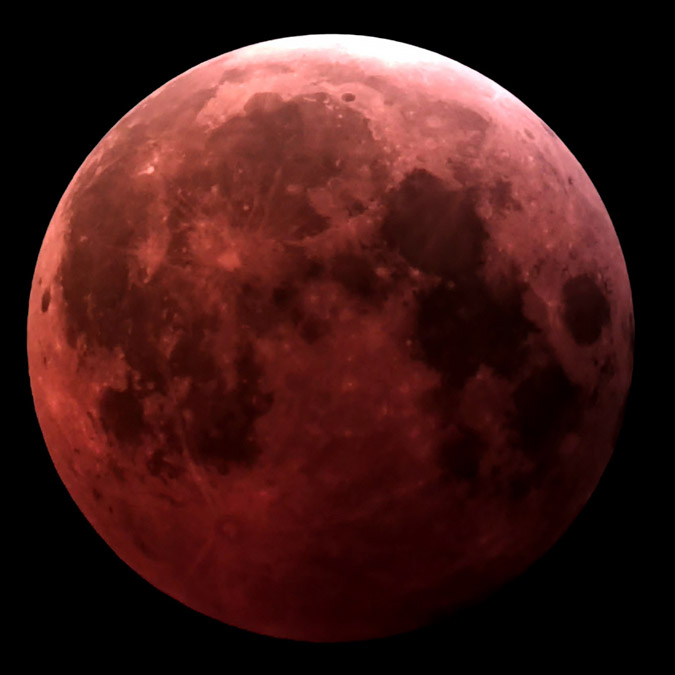
The totality phase, where the Moon was entirely within Earth’s umbral shadow, lasted approximately 1 hour and 6 minutes, from 2:26 a.m. to 3:32 a.m. Eastern Time.
Observers across North and South America experienced the full spectacle, while those in western Europe and parts of Africa witnessed the eclipse during moonset, and regions like Australia and northeast Asia saw it during moonrise.
 The Garden Astronomer
One thought on “Blood Moon: March 2025 Lunar Eclipse”