
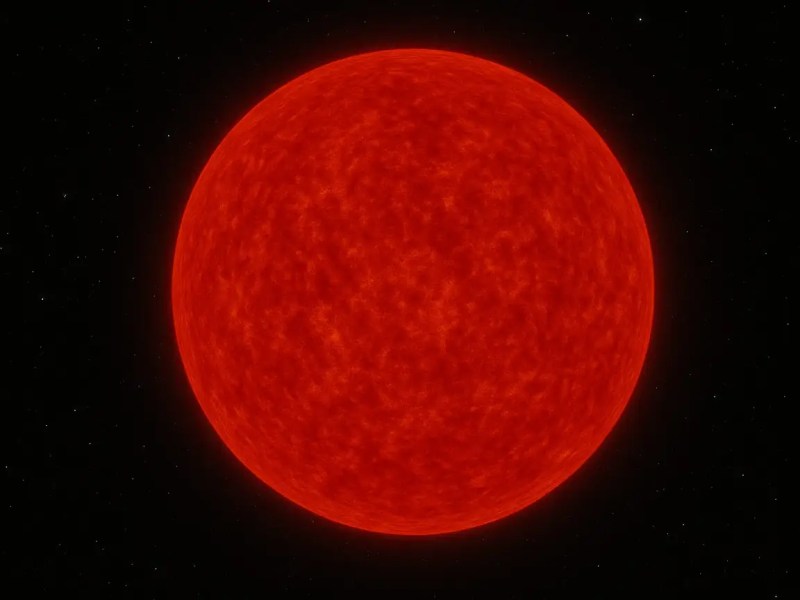
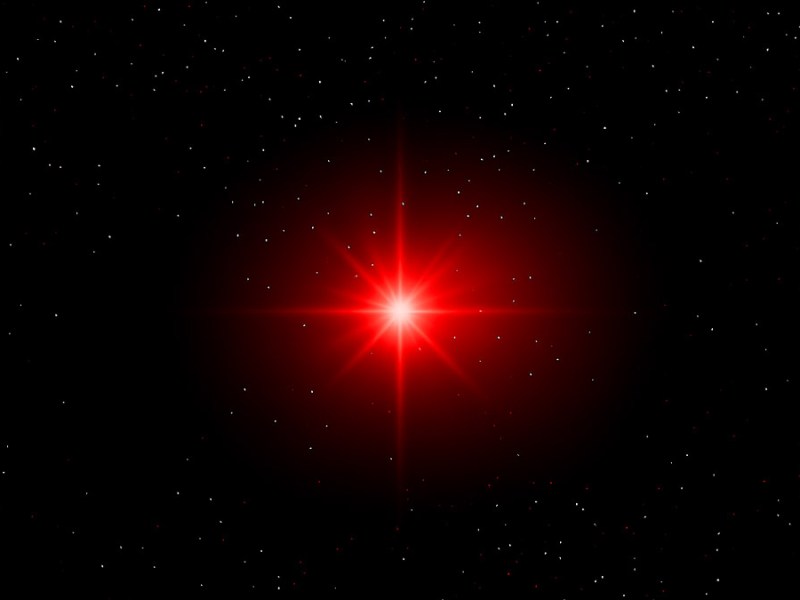
Among the stars that color our night skies, few capture the imagination like Mu Cephei, a crimson jewel glowing quietly in the constellation Cepheus. This remarkable autumn star has long fascinated astronomers and casual stargazers alike, not just for its beauty, but for its sheer scale and mystery.
A Giant Among Giants
Mu Cephei is a red supergiant, one of the largest stars known in the Milky Way. Estimates suggest it is over 1,000 times the diameter of the Sun! It’s so large that if it were placed at the center of our solar system, its swollen outer layers would engulf Jupiter’s orbit. Despite its size, Mu Cephei is thousands of light-years away, which is why it still appears as just a dim speck to the naked eye.
A Star with Many Names
The star’s fiery hue has inspired colorful nicknames through history. The 18th-century astronomer William Herschel described it as a “deep garnet” color, and ever since, it’s been affectionately known as the Garnet Star. In older Arabic star catalogs, Mu Cephei was called Erakis, but today its dramatic garnet title is the one that sticks.
Changing Brightness
Mu Cephei isn’t steady in its glow. It’s a semiregular variable star, meaning its brightness changes unpredictably over months and years. Sometimes it shines at magnitude 3.4, easily visible to the naked eye under dark skies, while at other times it fades to around magnitude 5.1, hovering near the edge of visibility. Watching its ebb and flow is like keeping track of a living, breathing cosmic ember.
Mu Cephei is in the later stages of life and is only expected to last a few million years before it explodes spectacularly as a supernova. A neutron star or a black hole will remain.
My Observations
| Date | December 2, 2020 |
| Time | 7:22 pm |
| Location | Seattle, WA |
| Magnification | 169x |
| Scope | Meade 8″ SCT |
| Eyepiece | 12mm |
| Seeing | Average |
| Transparency | Average |
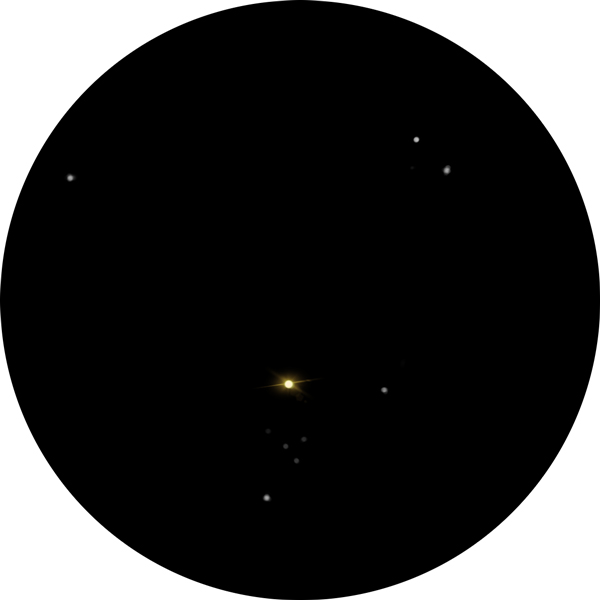
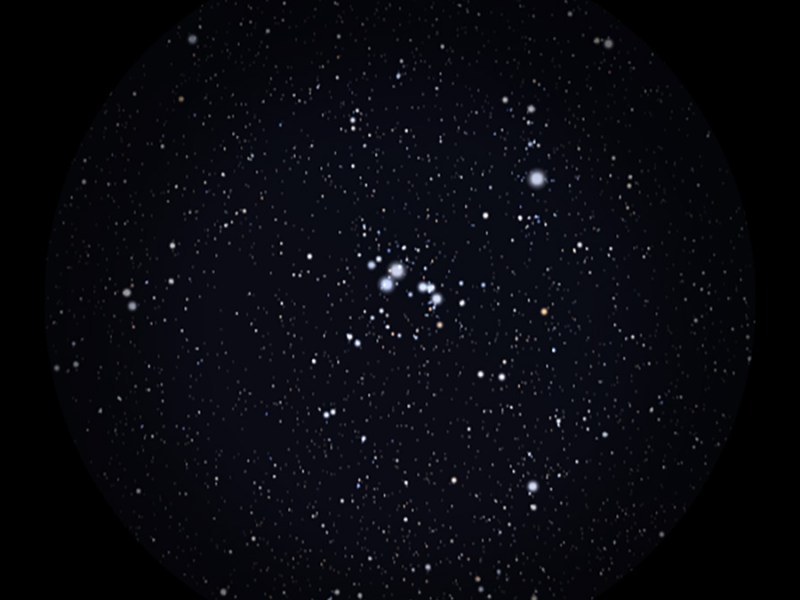
The Garnet Star is one of my favorite stars in the universe. The star’s vibrant orange breaks the darkness. Mu Cephei is an amber pinpoint in my eyepiece, so I’m even more in awe as I think about the actual size of this massive star.
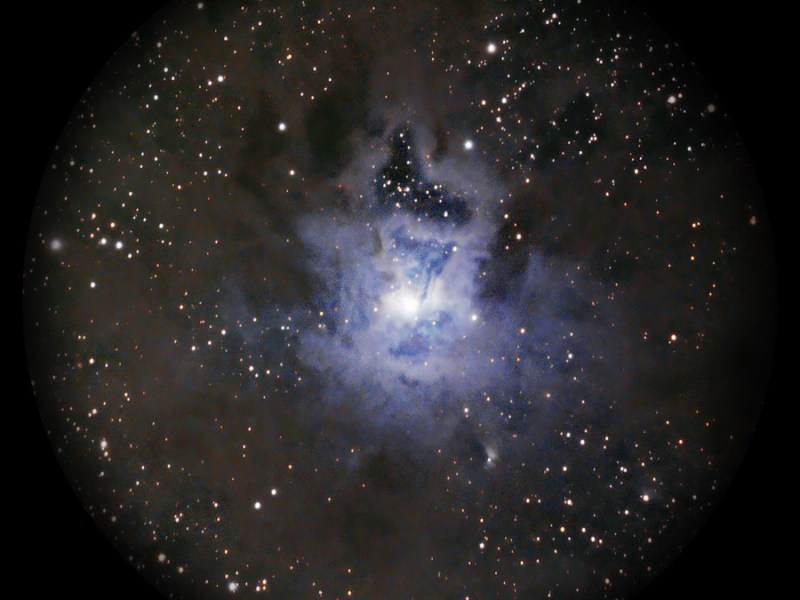
Backyard Photo
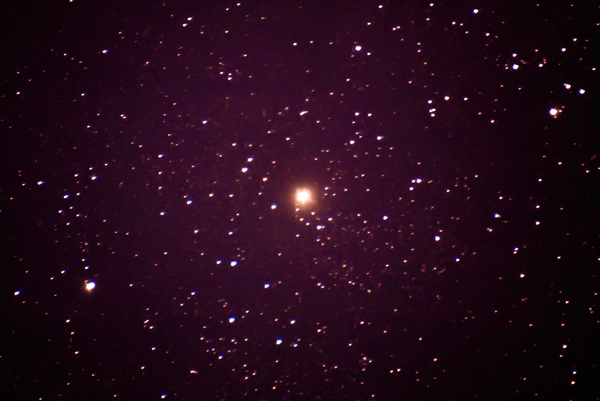
Key Stats
| When to view | September | R.A. (2021) | 21h 44m 08.64s |
| Constellation | Cepheus | Dec (2021) | +58° 52′ 33.8″ |
| Visual Magnitude | +4.01 | Distance | 2,400 ly |
| Absolute Magnitude | -5.35 | Age | 10 million yrs. |
| Spectrum | M2-la | Milky Way Locations | Orion Spur |
| Diameter | 648 Suns | My Viewing Grade | A |
Historical Observations
William Herschel in 1783
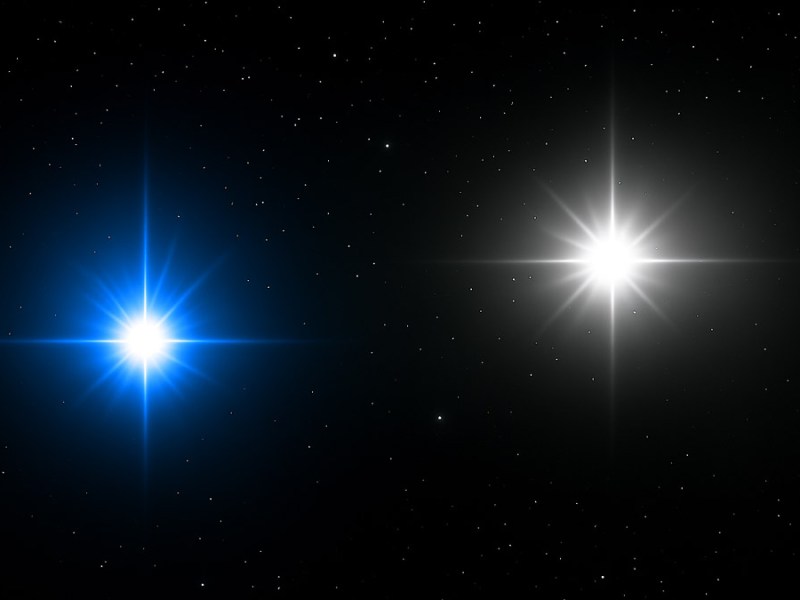
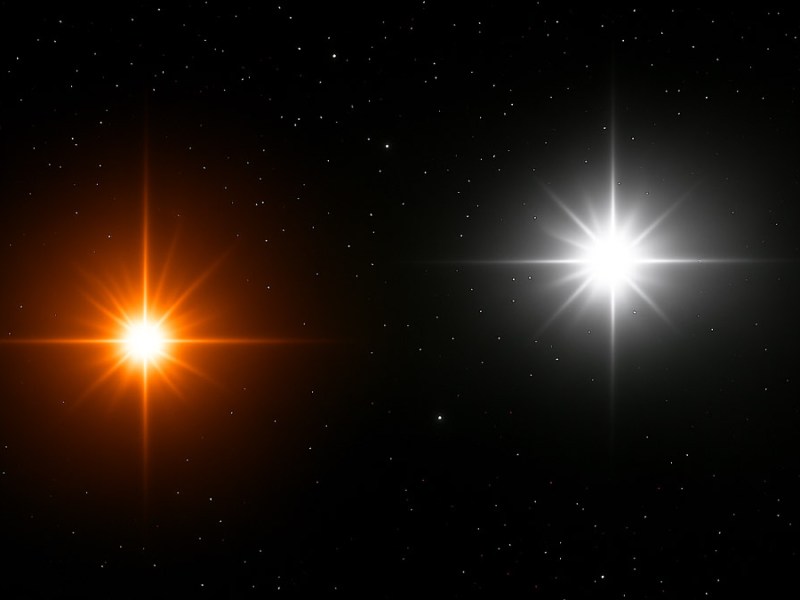
“A very considerable star, not marked by Flamstead, will be found near the head of Cepheus. Its right ascension in time, is about 2’19” preceding Flamstead’s 10th Cephei, and it is about 2o20’3″ more south than the same star. It is of a very fine deep garnet colour, such as the periodical star o ceti was formerly, and a most beautiful object, especially if we look for some time at a white star before we turn our telescope to it, such as a cephei, which is near at hand.”1
Sources and Notes
Banner illustration of the Garnet Star is by Sephirohq. it is licensed under the Creative Commons Attribution-Share Alike 3.0 Unported license.
1Philosophical transactions of the Royal Astronomical Society of London (1783)
AKA: Herschel’s Garnet Star, Erakis, or HD 206936
Want to learn more about Mu Cephei? I suggest reading this Mu Cephei article published by The American Association of Variable Star Observers.
 The Garden Astronomer
2 thoughts on “Mu Cephei: The Beautiful Garnet Star in Cepheus”