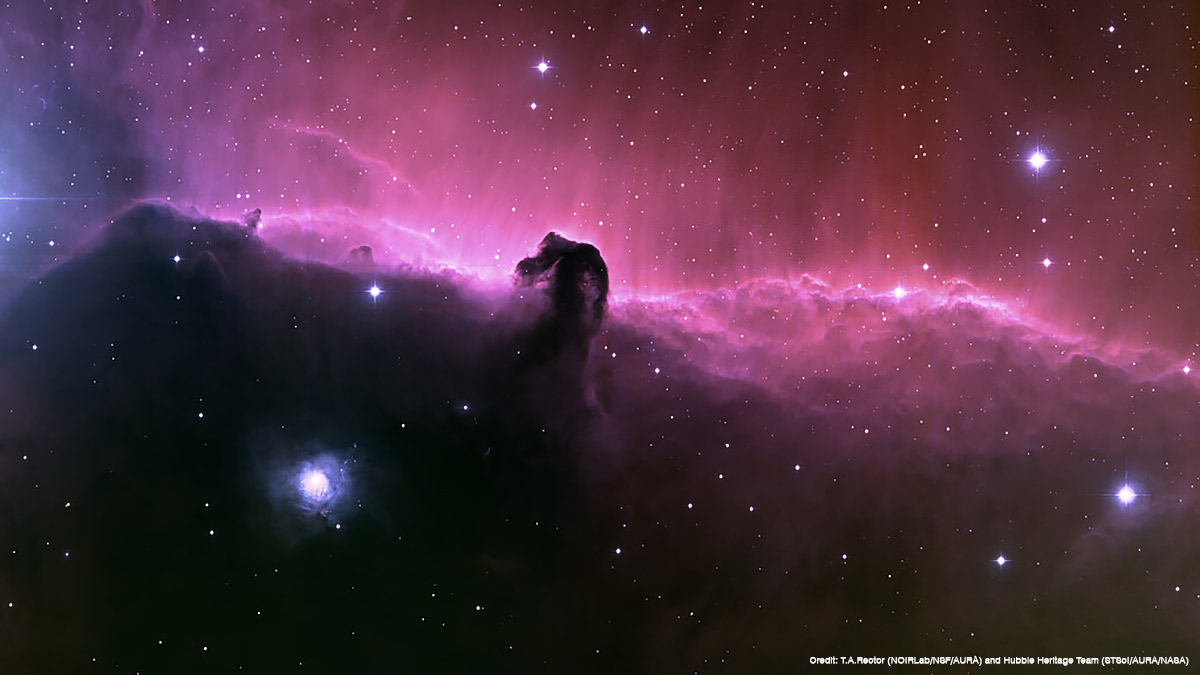
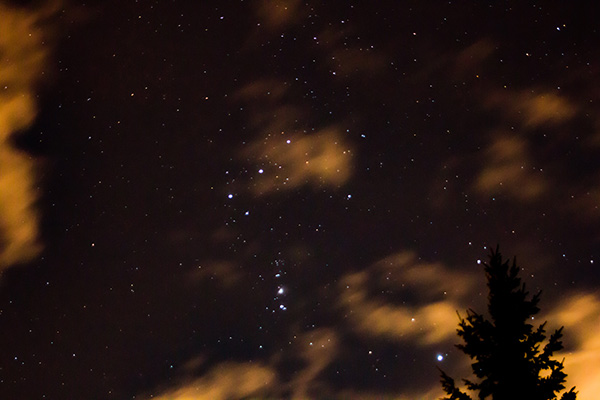
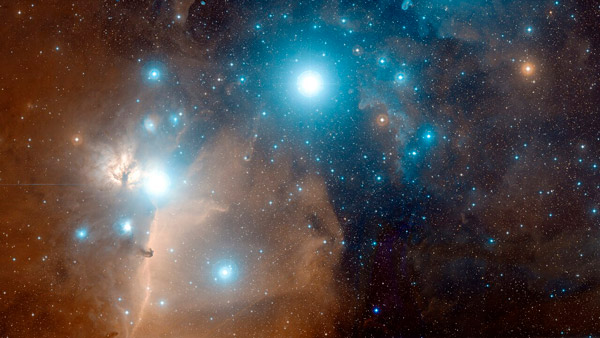
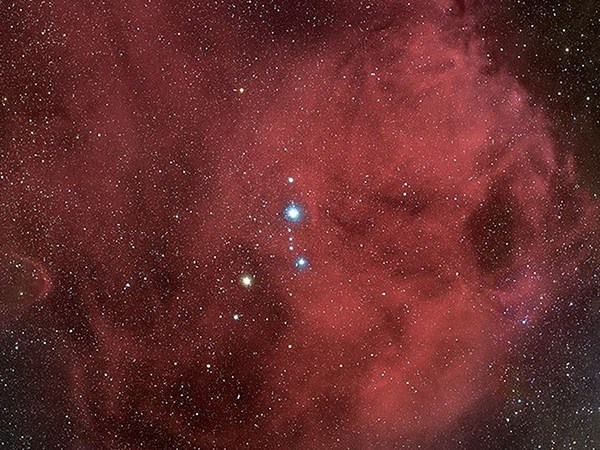
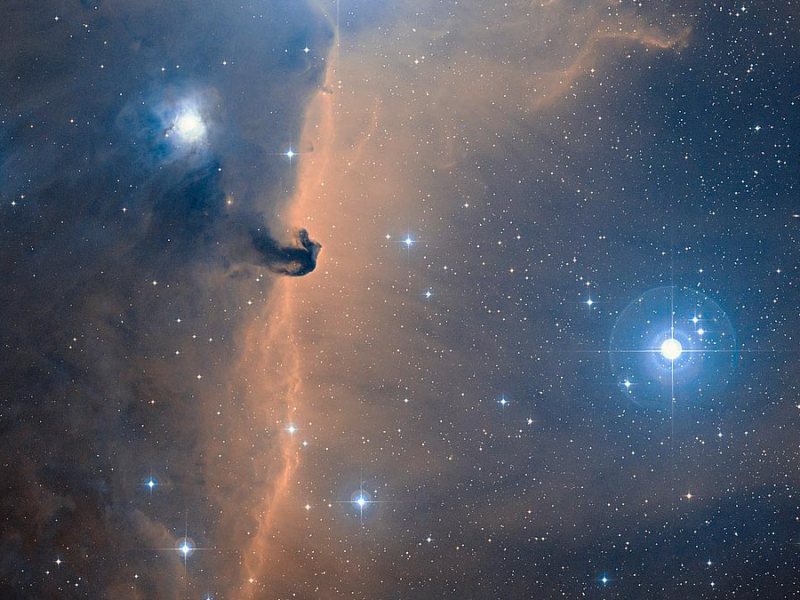
High in the winter sky, Orion the Hunter stretches across the heavens, one of the easiest constellations to recognize. Look for his famous “belt” of three stars in a neat row. The leftmost star, Alnitak, is your guide. Just below it, hidden in the glow of a pink-red cloud, lies one of the most famous shapes in space: the Horsehead Nebula.
The best time to go looking is on clear, dark nights between December and March, when Orion stands tall above the horizon.
Why the Horsehead Is Tricky to See
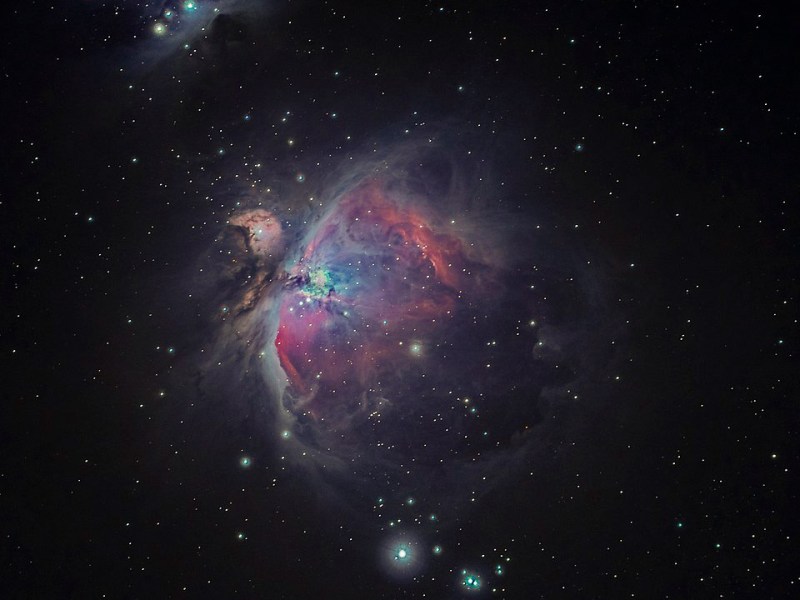
Unlike the bright Orion Nebula that almost anyone can spot with binoculars, the Horsehead is faint. It’s not glowing. It’s actually a shadow, a dense cloud of gas and dust blocking the light of the nebula behind it.
Through most telescopes, you won’t see the dramatic horse-head silhouette from photographs. At best, it’s a tiny notch of darkness. Observing it is a challenge from a suburban location, so to boost your chances, consider driving away from the city lights, use a larger scope (8 inches or larger), and a special filter called a hyrogen-beta filter to bring out the contrast. For those with an electronic scope, such as the Seestar, they can capture the Horsehead from the suburbs as I’ve discovered myself.
A Nebula With a Story
The Horsehead was first noticed in 1888—not by someone peering through a telescope, but on a photographic plate at Harvard Observatory.
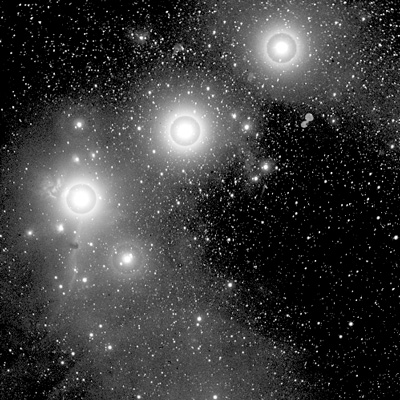
It was spotted by Williamina Fleming, one of the pioneering women known as the “Harvard Computers,” who cataloged thousands of stars and nebulae at a time when women were rarely credited in science.
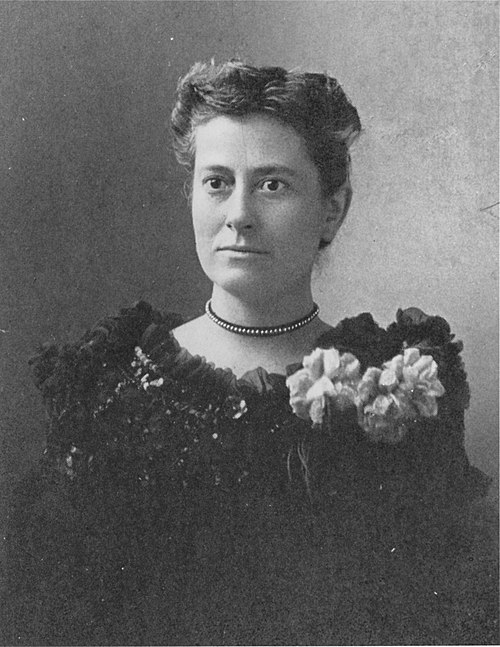
Later, astronomer E.E. Barnard added it to his catalog of dark nebulae, naming it Barnard 33. Since then, it has become an icon of astronomy, proof that sometimes the most interesting things in the sky are the shadows.
Why It Matters
What makes the Horsehead special isn’t just its striking shape. It’s also a stellar nursery, a place where new stars are being born. The very dust that blocks our view is the material from which stars (and eventually planets) are created. In other words, that little black shape is busy building the future.
Bringing It Home
Whether you catch the Horsehead Nebula visually through a telescope, or photograph it with a camera, it’s one of those objects that makes you pause. From a tiny patch of darkness in the sky, we glimpse a cosmic work of art—a horse’s head etched into starlight, quietly reminding us that the universe is full of wonders hiding in plain sight.
My Observations
Ever since I was a child growing up in Denver, I dreamed of seeing the Horsehead Nebula. I even attempted it years ago with a small department-store telescope, not realizing at the time that such a delicate object was far beyond the reach of that scope. Still, the desire never left me, and the nebula remained a quiet fascination in the back of my mind.
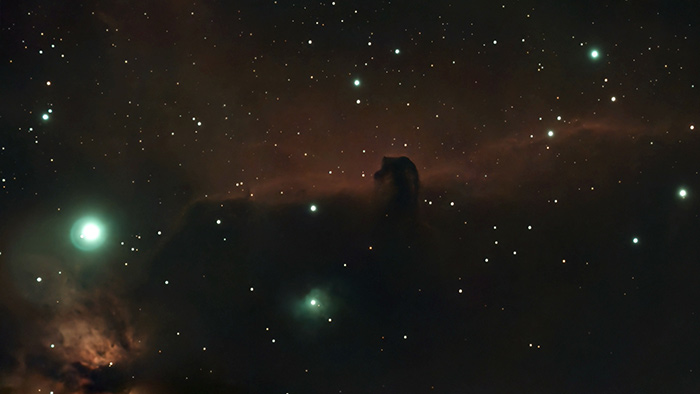
Seestar S50 photo by Wayne McGraw. 59-minute stacked exposure with 363 10-second shots.
A few years ago, from Seattle, I had a chance to revisit that childhood dream. On a crisp, crystal-clear winter night during the pandemic, I trained my 8-inch scope on Orion and, to my delight, just managed to glimpse the faintest dark pattern of the nebula. But it wasn’t until I brought my astrophoto equipment, including a Seestar S50, to Florida and waited for Orion to climb higher in the sky that I truly captured it. When the first image appeared on the screen, revealing the iconic silhouette in all its subtle glory, I was filled with awe. That moment remains a wonderful memory—a culmination of years of patience, persistence, and pure astronomical joy.
Key Stats
| Constellation | Orion |
| Best Viewing | Winter |
| Visual Magnitude | +8.3 |
| Absolute Magnitude | -0.15 |
| Distance from Earth | 1,600 ly |
| Diameter | 3.7 ly |
| Apparent Size | 8 x 6 arcmin |
| Milky Way Location | Orion Spur |
| My Viewing Grade | B- visually |
| Designations | Sharpless 2-276 (Sh2-276), LBN 939 (Lynds Bright Nebula 939), Barnard 33 |
Sources and Notes
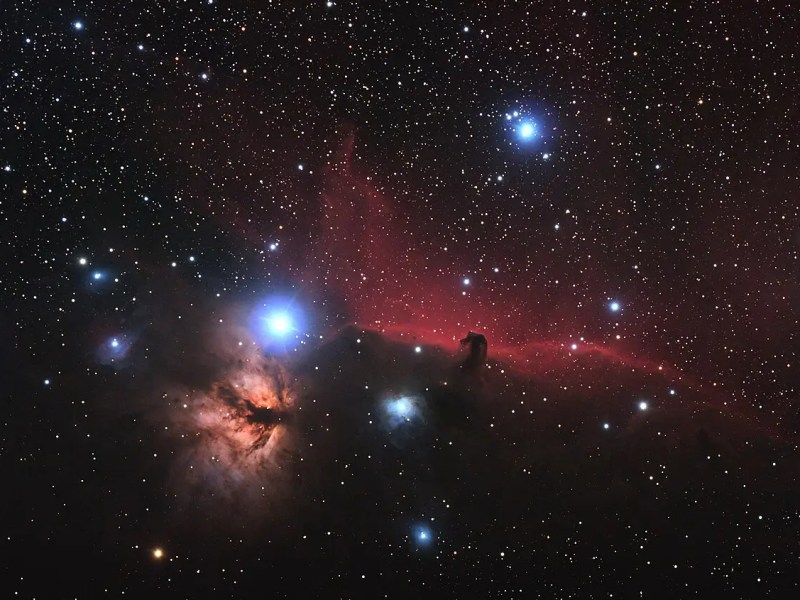
Banner photo: T.A.Rector (NOIRLab/NSF/AURA) and Hubble Heritage Team (STScI/AURA/NASA) Source link
Digital Access to a Sky Century @ Harvard (DASCH). (n.d.). Plate Gallery. Harvard College Observatory, Center for Astrophysics | Harvard & Smithsonian. Retrieved August 31, 2025, from https://hea-www.harvard.edu/DASCH/gallery.php
Astronomy Magazine. (n.d.). 101 must-see cosmic objects: The Horsehead Nebula. https://www.astronomy.com/observing/101-must-see-cosmic-objects-the-horsehead-nebula/

 The Garden Astronomer
One thought on “The Horsehead Nebula (IC 434): A Shadow in the Stars”