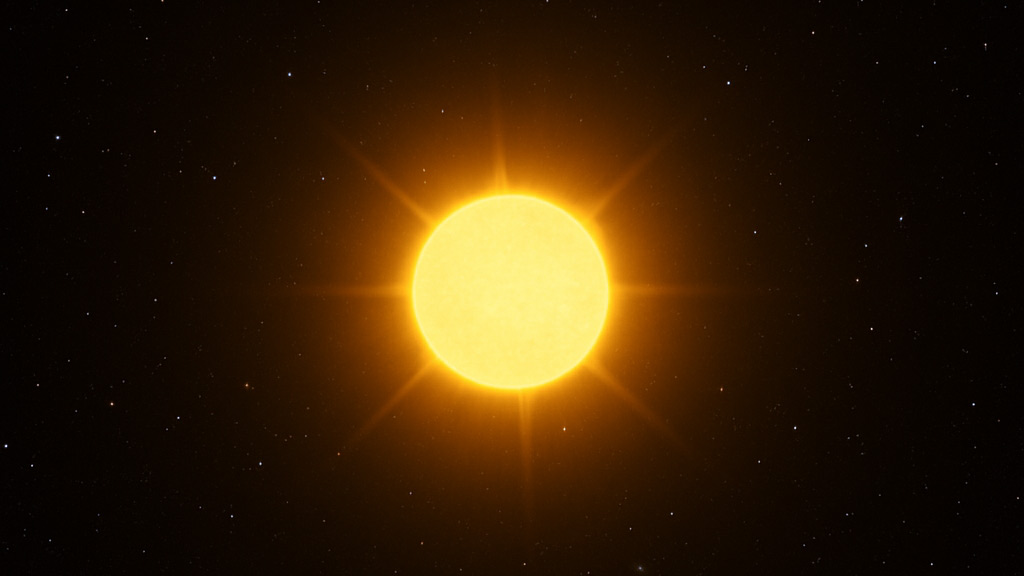
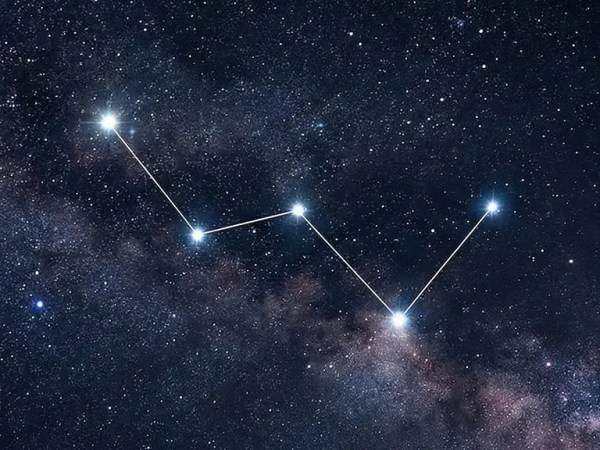
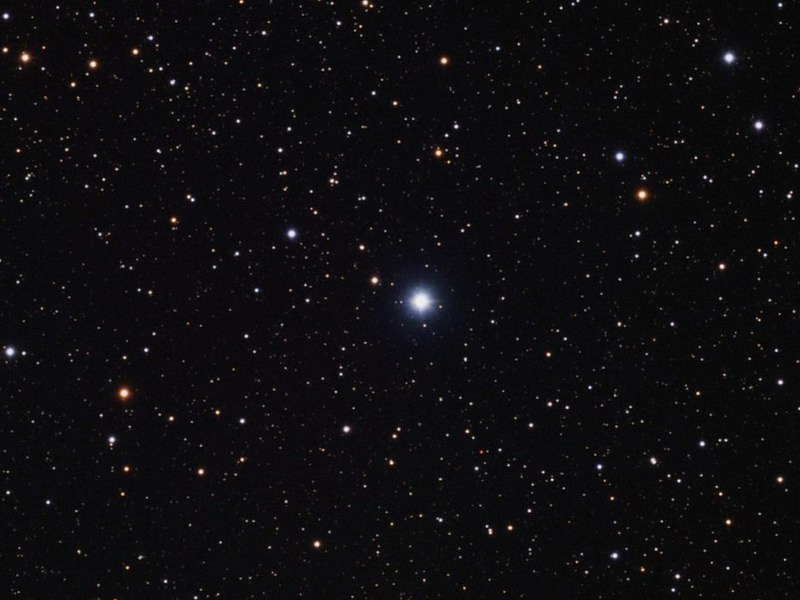
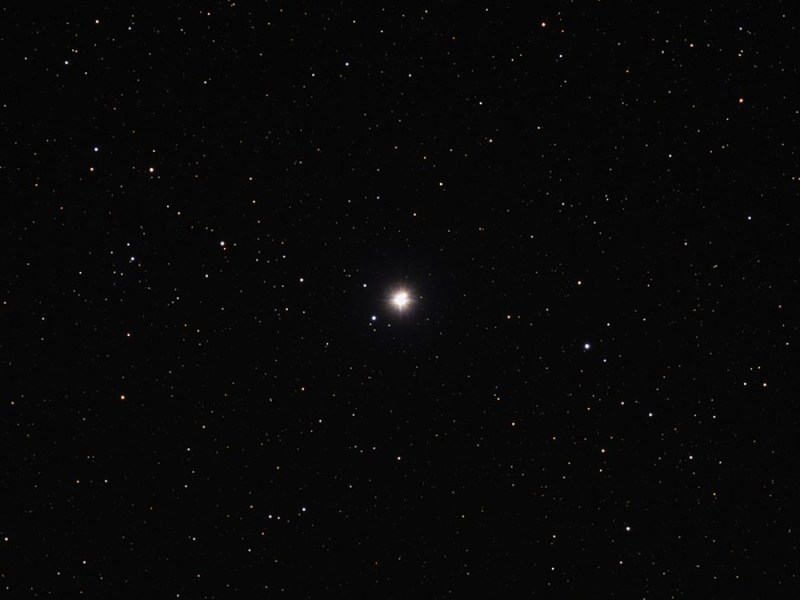
When you look up at the night sky and trace the distinctive “W” or “M” shape of Cassiopeia, one star shines with a warm, orange glow that sets it apart from its stellar neighbors. This is Schedar (α Cassiopeiae), the brightest star in the constellation and one of the most luminous stars visible to the naked eye from Earth.
A Star of Many Names
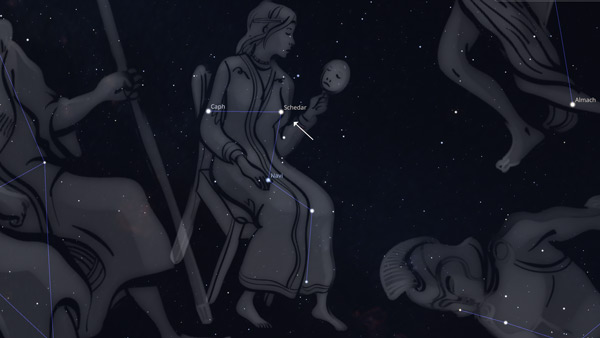
Schedar’s name originates from the Arabic word “şadr,” meaning “breast,” which refers to its position marking the heart or chest of Queen Cassiopeia in ancient star charts. Over centuries, this name has been spelled in various ways—Shedar, Schedir, Shedir, and even Schedar—but they all point to the same magnificent star that has guided navigators and inspired stargazers for millennia.
A Large and Luminous Star
Schedar is an evolved giant star, classified as a K-type bright giant (spectral type K0 III). Located approximately 228 light-years from Earth, this stellar behemoth has swelled to enormous proportions as it nears the end of its hydrogen-burning life.
The numbers are truly staggering. Schedar has expanded to around 42 times the diameter of our Sun, and if it were placed at the center of our solar system, its surface would extend roughly to the orbit of Mercury. Despite being cooler than the Sun with a surface temperature of around 4,530 Kelvin (compared to the Sun’s 5,778 Kelvin), Schedar compensates with sheer size, radiating about 855 times more luminous energy than our home star.
My Observations
| Date | November 18, 2022 |
| Time | 9:31 p.m. |
| Location | Seattle, WA |
| Magnification | 254x |
| Scope | Meade 8″ SCT |
| Eyepiece | 8mm |
| Seeing | Good |
| Transparency | Good |
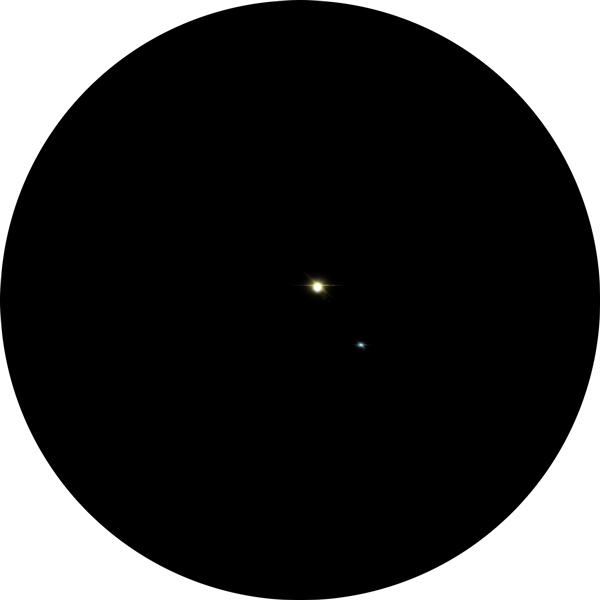
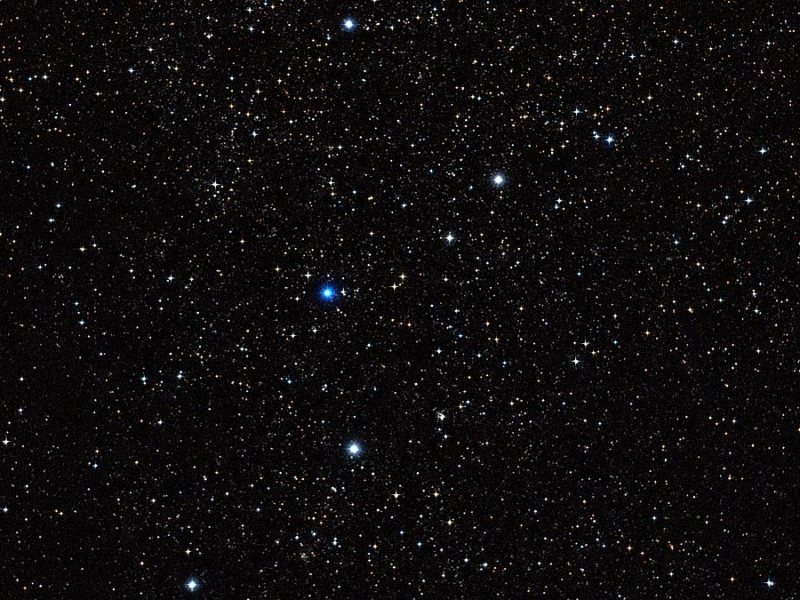
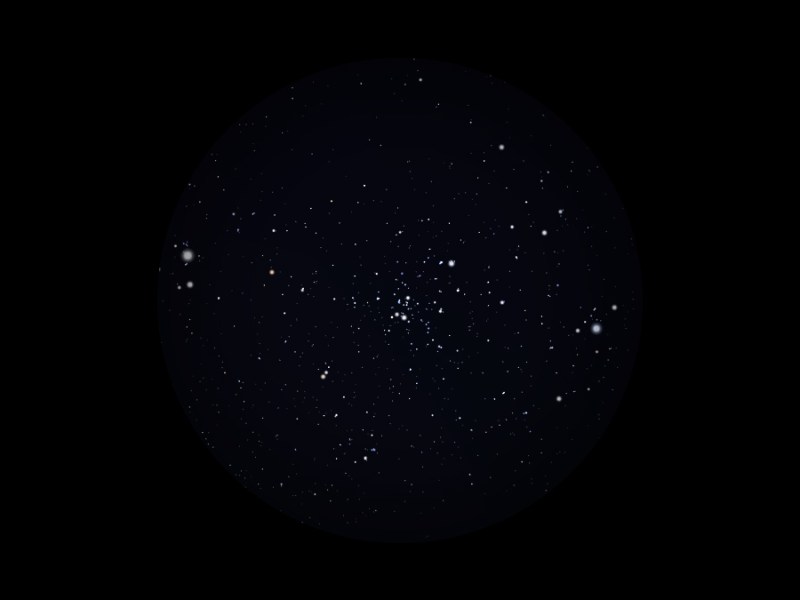
I turn my gaze toward Cassiopeia and focus on Schedar, its warm orange glow radiating gently against the dark sky. As I sketch, the star’s rich, amber hue seems almost tangible, filling the page with its quiet brilliance. Although Schedar is accompanied by three other visual companions, only one reveals itself to me, a delicate, light blue star of magnitude 8.9 at a distance of 70 arcseconds from Schedar. The remaining two, faint beyond magnitude 13, remain hidden from my view.
Key Stats
| Constellation | Cassiopeia |
| Best Viewing | Autumn |
| Visual Magnitude | 2.35 |
| Absolute Visual Magnitude | -3.47 |
| Distance from Earth | 228 ly |
| Milky Way Location | Orion Spur |
| My Viewing Grade | A |
| Designations | SAO 21609, α Cas, HIP 3179, HR 168, HD 3712, 18 Cas, GC 792, Shedar, Shadar, Schedir, Shedir |
Sources and Notes
Kaler, J. B. (1999, April 5). Schedar (Alpha Cassiopeiae). University of Illinois. Retrieved October 6, 2025, from http://stars.astro.illinois.edu/sow/shedar.html
TheSkyLive. (n.d.). Schedar – α Cassiopeiae (alpha Cassiopeiae) – Star in Cassiopeia. Retrieved October 6, 2025, from https://theskylive.com/sky/stars/schedar-alpha-cassiopeiae-star
Sketch by Wayne McGraw



 The Garden Astronomer