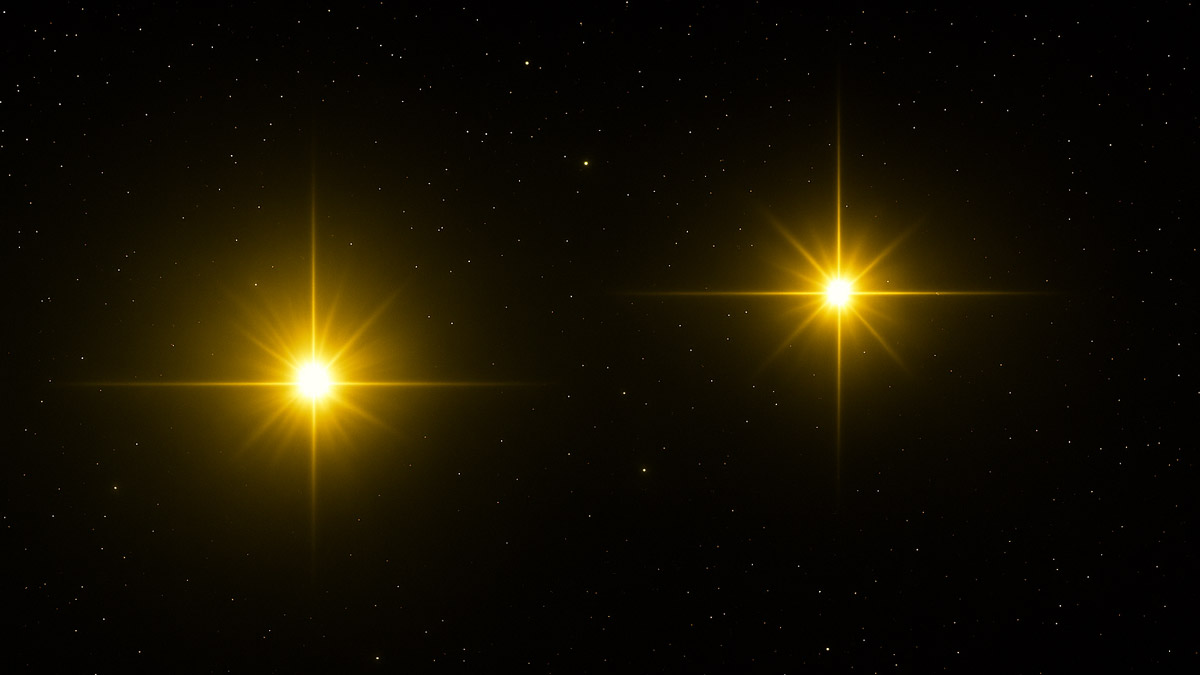
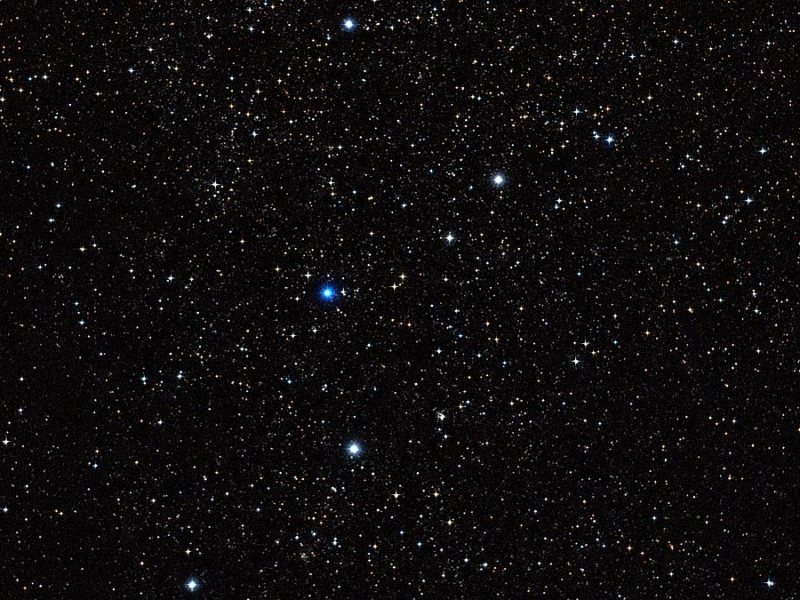
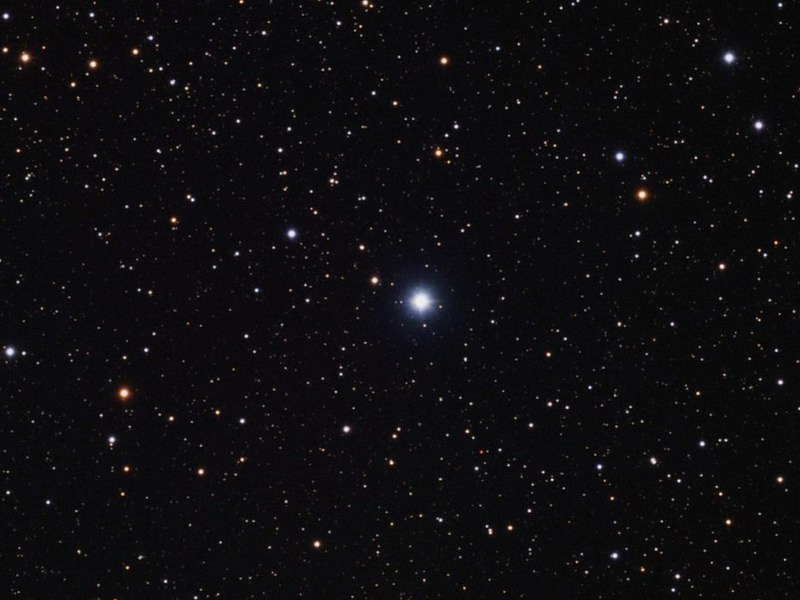
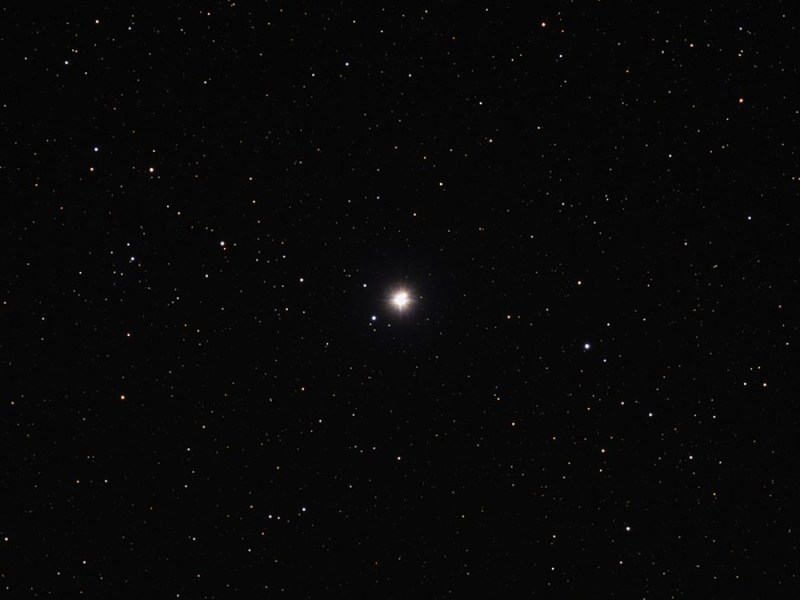
In the vast tapestry of the night sky, ARY 33 (also known as HD 224612) quietly holds its place in the constellation Cassiopeia.
I first stumbled across ARY 33 thanks to John Nanson’s post on his website, Star Splitters. John explains that the “ARY” is attributed to Robert Argyle, Director of the Webb Society Double Star Section.
Here’s the twist: double star catalogs list 1903 as the first recorded date for the pair—decades before Bob Argyle was even observing. As John uncovered, this date actually comes from a photographic plate from which the double star was first measured. I highly recommend checking out John’s full write-up on ARY 33 for the fascinating details.
Characteristics of ARY 33
The primary star is a G5 star, glowing at magnitude 7.32, while the secondary is a slightly dimmer K2 star at magnitude 8.12. Their separation—around 100 arcseconds—is generous compared to many tight binaries, so under a clear sky, they can be easily spotted through binoculars or a small telescope.
Another interesting fact is the distance of each star, which, as John Nanson notes, raises doubts about whether these two stars are truly a binary, as some catalogs claim. The primary star lies at a distance of 809 light-years, while the secondary is nearly 150 light-years farther away, at 956 light-years from Earth.
ARY 33 may not have the fame of some of the sky’s more prominent double stars, but it possesses a quiet charm: wide, accessible, and just bright enough to make observing it a satisfying experience for amateur stargazers.
My Observations
| Date | October 28, 2023 |
| Time | 8:20 p.m. |
| Location | Seattle, WA |
| Magnification | 127x |
| Scope | Meade 8″ SCT |
| Eyepiece | 16mm |
| Seeing | Average |
| Transparency | Average |
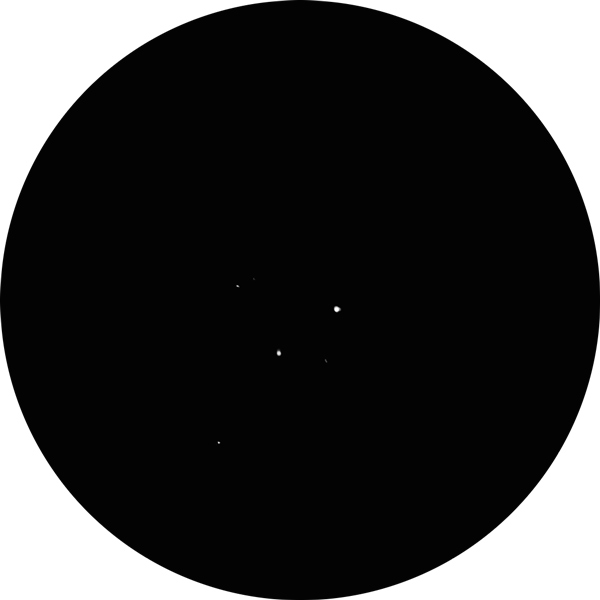
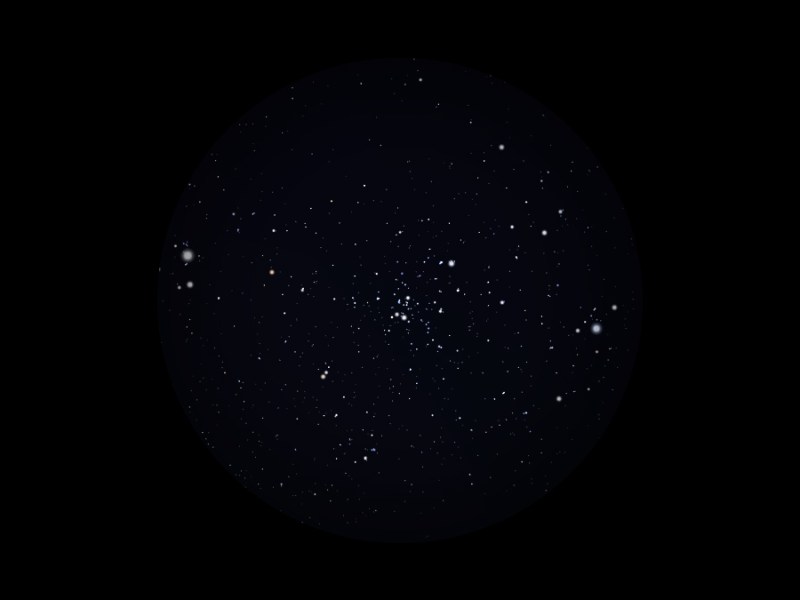
Just as John Nanson observed, I see several dim stars around the pair, ARY33. The primary has a hint of yellow, but I cannot discern any color from the dimmer secondary, although some online observers mention seeing a light orange. ARY33’s wide separation makes for an easy target and a worthy visit to Cassiopeia’s deeper regions and less-known doubles.
Key Stats
| Constellation | Cassiopeia |
| Best Viewing | Autumn |
| Visual Magnitude | +7.3, +8.1 |
| Separation | 100″ |
| Position Angle | 139 ° |
| Distance from Earth | 809 ly |
| Milky Way Location | Orion Spur |
| My Viewing Grade | B |
| Designations | SAO 35954, HIP 118264, HD 224612, GC 33261 |
Sources
Nanson, J. (2015, February 1). A Cassiopeian quartet: OΣΣ 248, OΣΣ 251, OΣ 498, and ARY 33. Star Splitters.
Stelledoppie. (n.d.). ARY 33 (HD 224612). Retrieved October 9, 2025, from https://www.stelledoppie.it/index2.php?iddoppia=106039
(2020, January 16). 7 more doubles in Cassiopeia. Cloudy Nights. https://www.cloudynights.com/topic/690823-7-more-doubles-in-cassiopeia/
Sketch by Wayne McGraw



 The Garden Astronomer