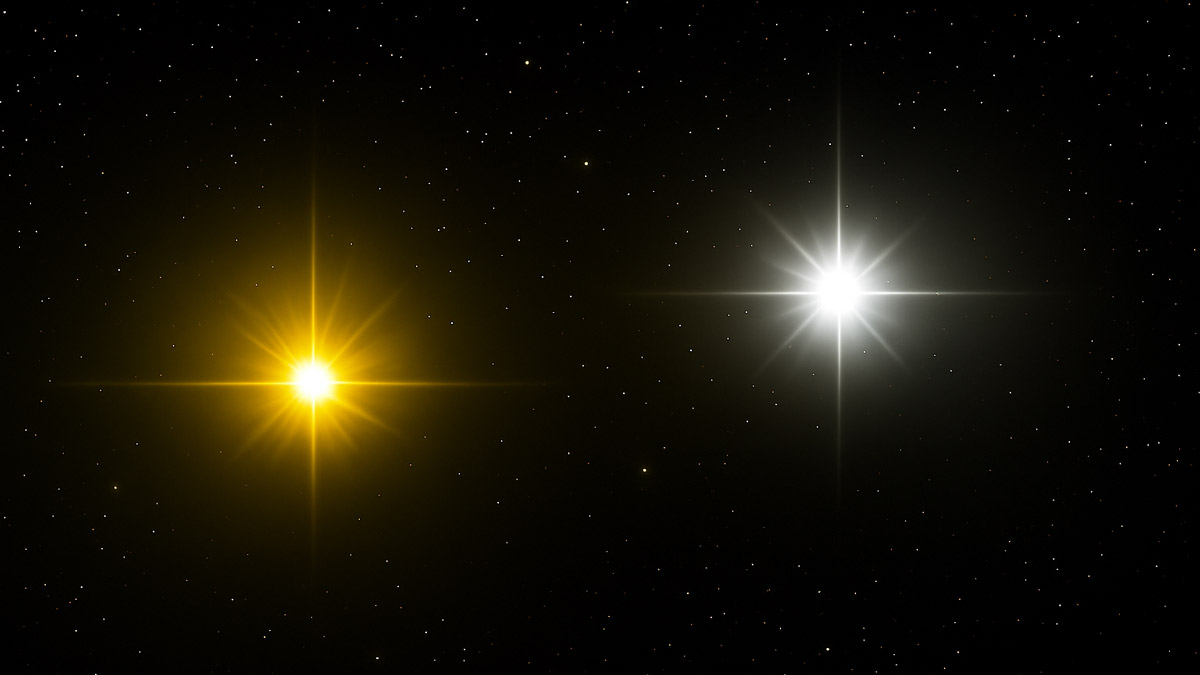
Eta Boötis, known as Muphrid, is a subgiant star roughly 37 light-years from Earth, overshadowed by the brighter Arcturus. Muphrid shines with a magnitude of 2.7 and is accompanied by a fainter companion star. Observations reveal challenges in identifying its companions, highlighting its unique charm in the spring sky. η Boötis, HR 5235, HD 121370, HIP 67848, SAO 100766, BD+18°2759, SHJ 169
Author Archives: Wayne McGraw
Messier 20 (NGC 6514): The Trifid Nebula in Sagittarius
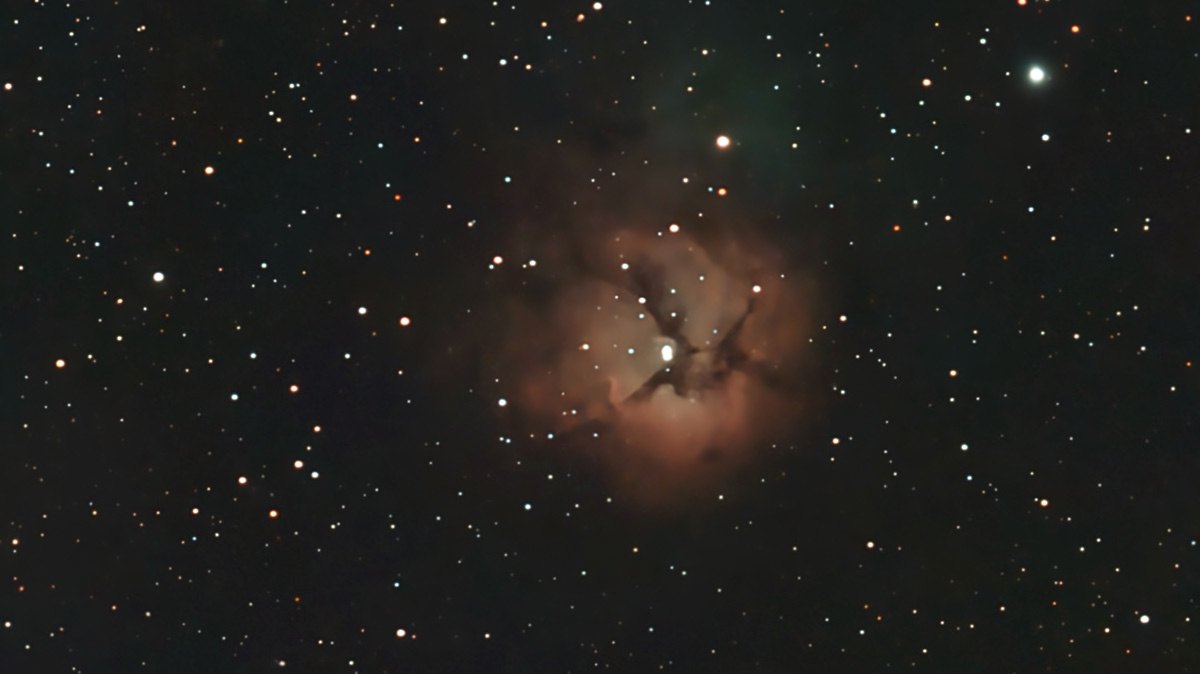
The Trifid Nebula, located in Sagittarius, is best viewed during summer months from June to August. Discovered by Charles Messier in 1764, it serves as a stellar nursery, approximately 5,200 light-years away. Modern telescopes have uncovered hidden stars and complex structures, making it a remarkable subject for backyard astronomers.
NGC 457: The Owl Cluster in Cassiopeia

An owl hides out in Cassiopeia, so on autumn and winter nights, turn your scope toward the constellation and look for cluster and its two bright stars that make up the eyes.
WZ Cassiopeiae: A Scarlett Variable Double Star in Cassiopeia
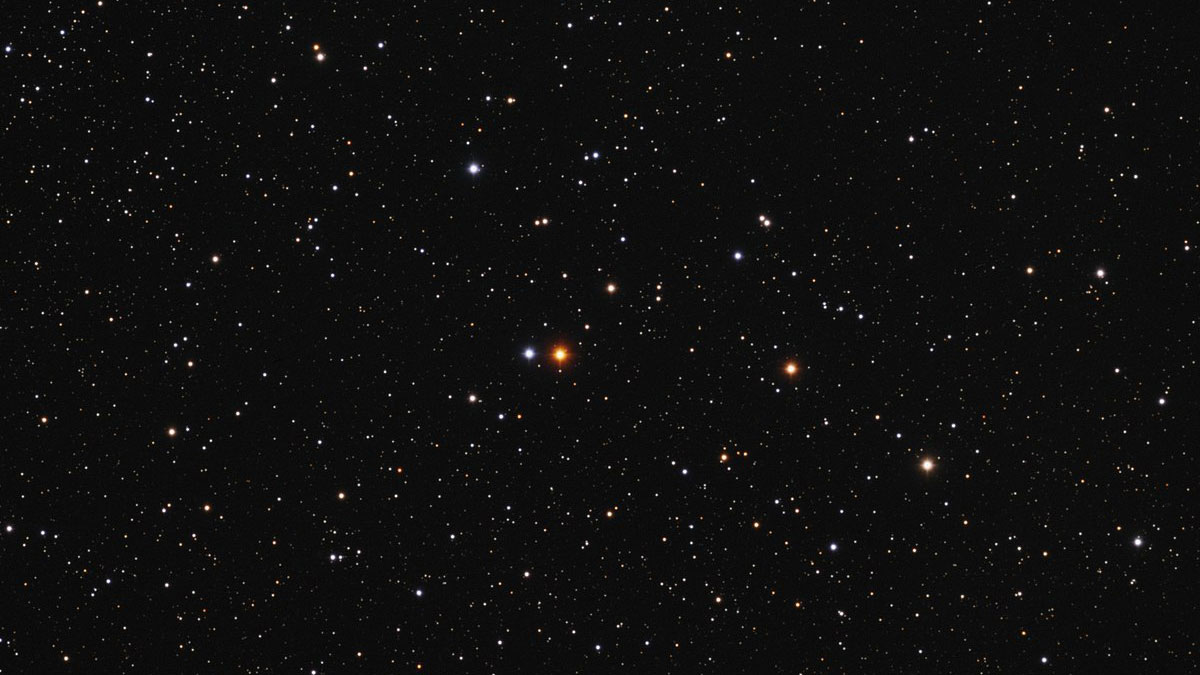
WZ Cas, known as WZ Cassiopeiae, shines at a variable magnitude between 6.3 and 8.8. It’s classified as a C-N7 III star. It is a red-colored carbon star in the constellation Cassiopeia. It’s also known as SAO 21002, HIP 99, HD 224855.
Messier 87 (NGC 4486): Home of a Famous Black Hole

Most of the public had never heard of the Messier 87 galaxy until a few years ago. This changed on the morning of April 10, 2019, as scientists released the first image of the supermassive black hole at the heart of M87. When the image appeared in my news feed that morning, I recall rushingContinueContinue reading “Messier 87 (NGC 4486): Home of a Famous Black Hole”
IC 4756: Graff’s Cluster in Serpens

Explore IC 4756, a bright open cluster in Serpens visible in summer skies. A beautiful binocular target amid rich star fields and nearby clusters.
Iota Cassiopeiae: An Unforgettable Triple
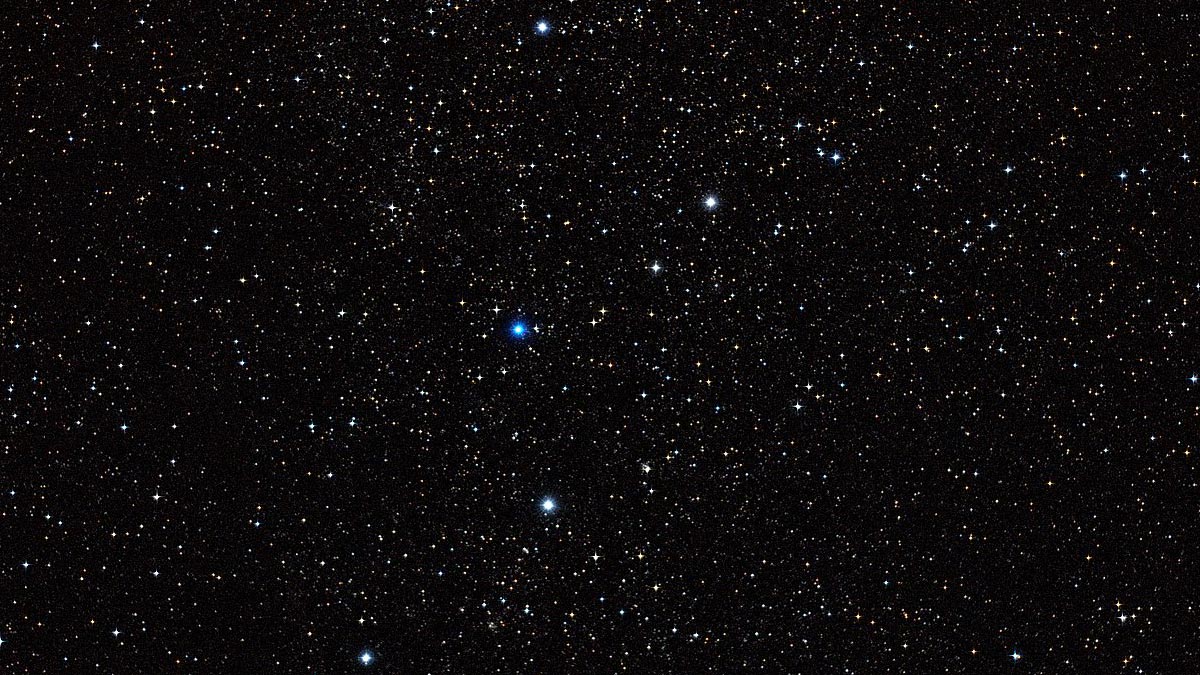
Discover Iota Cassiopeiae, a triple star system hidden in Cassiopeia’s “W.” Through a telescope, it reveals a stunning trio of diamond-like stars.
The Horsehead Nebula (IC 434): A Shadow in the Stars
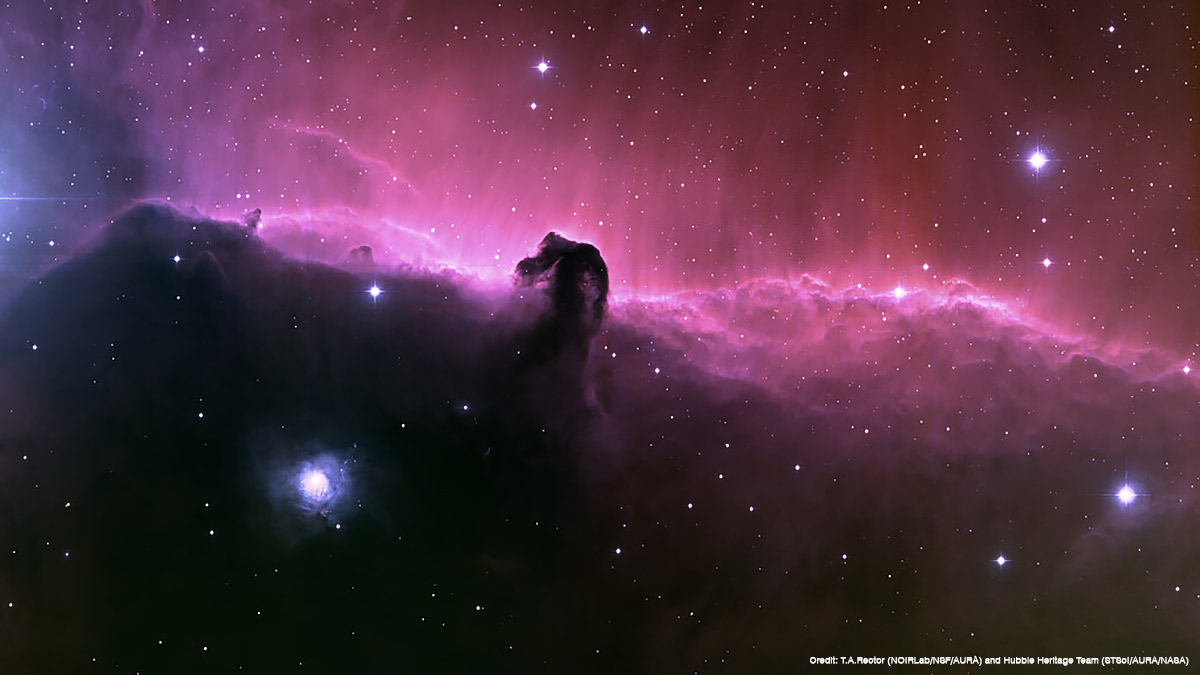
The Horsehead Nebula, located in Orion, is recognized for its iconic silhouette but is faint and challenging to observe. First discovered in 1888 by Williamina Fleming, it is a stellar nursery contributing to star formation. Ideal viewing occurs between December and March, away from city lights using larger telescopes.
 The Garden Astronomer