
Ursa Major is a familiar sight in the northern night sky, home to the easily recognizable Big Dipper. While the stars of the Dipper often steal the show, the constellation is filled with other fascinating celestial objects, including one of my favorite galaxies, M51. Amongst all these significant objects is the binary star system 23ContinueContinue reading “23 Ursae Majoris: A Stellar Duo in The Great Bear”
Author Archives: Wayne McGraw
Blood Moon: March 2025 Lunar Eclipse
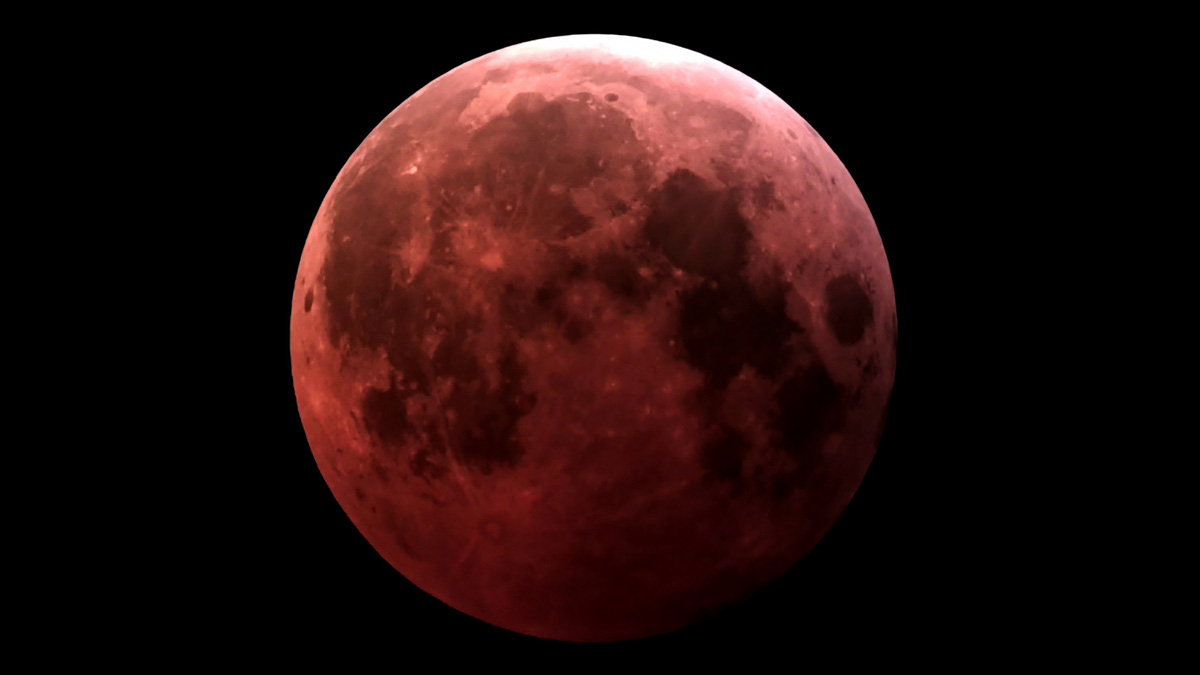
This post covers my observation of Lunar Eclipse in March 2025. In the deep stillness of this early morning, the last sliver of white on the moon turns a copper red, marking the first time in many years that I’ve watched a total lunar eclipse. Photos included.
NGC 2451: A Stinging Scorpion Down South in Puppis
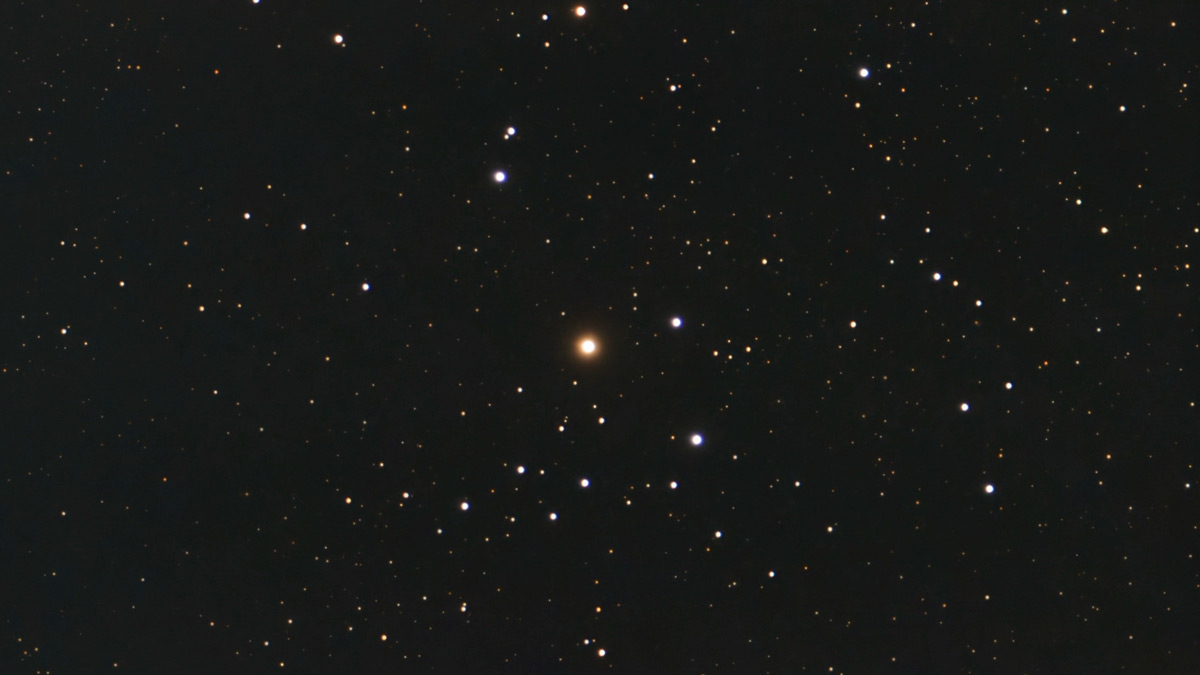
NGC 2451, a star cluster in the Puppis constellation, shines brightly during late autumn and winter. With around 40 stars, including the prominent C Puppis, it’s visible with binoculars. The cluster is an optical illusion of two separate groups. First noted by Hodierna in the 17th century, NGC 2451 offers a captivating viewing experience.
Messier 33 (NGC 598): The Triangulum Galaxy—A Pinwheel in the Sky

Discover the breathtaking beauty of Messier 33, the Triangulum Galaxy! As one of the closest galactic neighbors to the Milky Way, Messier 33 known as the Triangulum Galaxy dazzles with its stunning spiral structure. See what it looks like in a telescope and when photographed with a Seestar S50. Also known as M33, Pinwheel Galaxy, NGCs 588, 592, 595, and NGC 603
The Helix Nebula: The “Eye of God” Looks Back at You
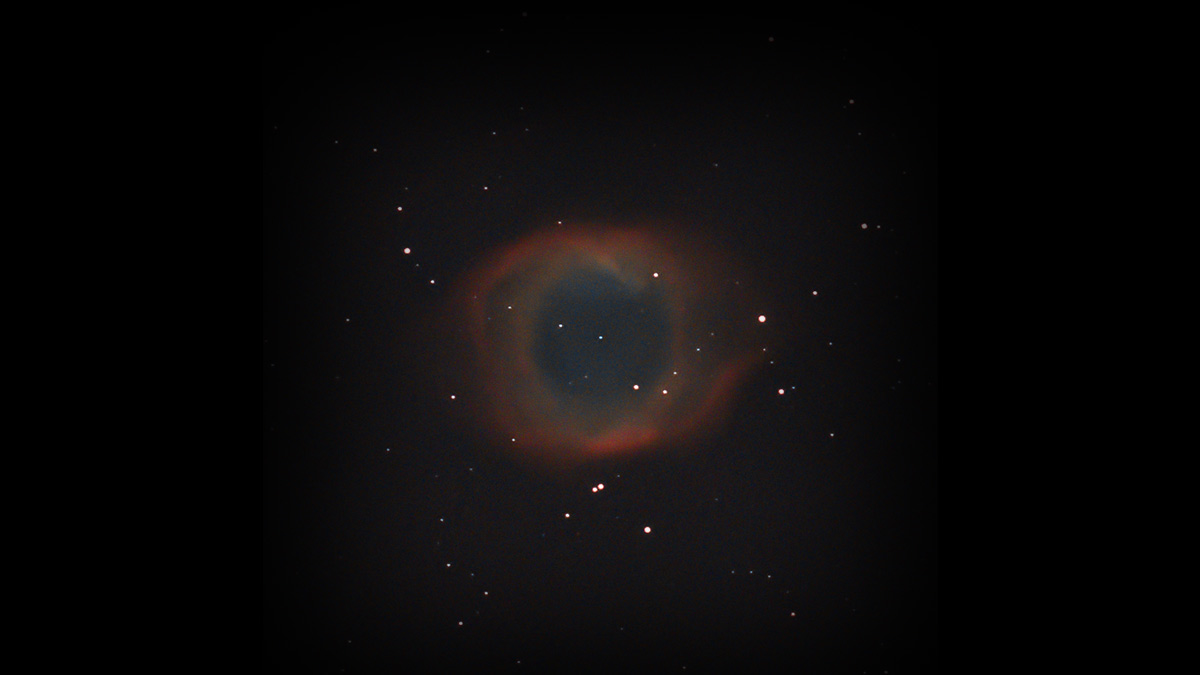
In late summer and autumn, the constellation Aquarius, known as the Water Bearer, is prominent in the southern skies of the Northern Hemisphere. Among its features is the Helix Nebula, one of the closest planetary nebulae to Earth. It’s also known as NGC 7293, Caldwell 63, Arp 336.
Comet Tsuchinshan-ATLAS Graces Autumn Skies

This comet, first discovered by astronomers from the Tsuchinshan Observatory in China and the ATLAS survey in Hawaii, promised to be one of the brightest comets since Neowise. And sure enough, it actually got a little brighter than Neowise.
59 Cygni: A Vibrant Blue-White Multiple Star
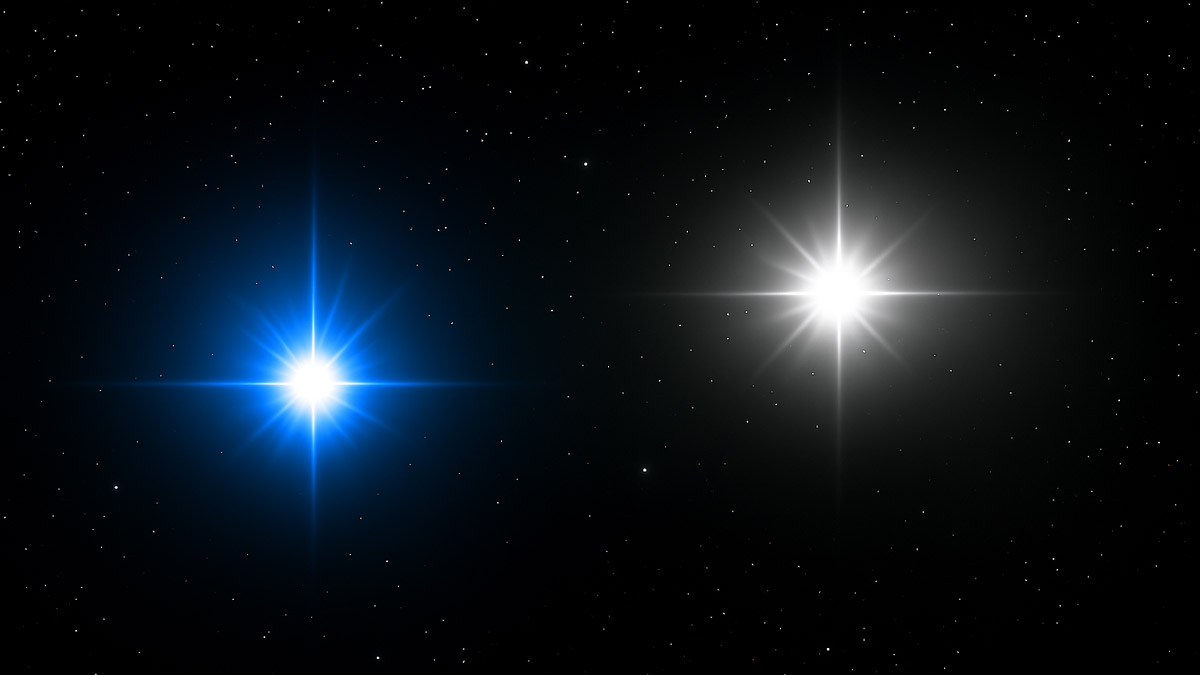
The constellation Cygnus, the swan, has its fair share of double stars, including the magnificent Albireo. The multiple star 59 Cygni joins this family of stars and is viewable during summer and autumn. The primary is a vibrant blue-white color. The binary is also known as 59 Cyg, STF 2743, V832 Cyg, HR 8047, SAO 50335, HD 200120.
Stephan’s Quintet: Visiting George Bailey’s Angels in It’s a Wonderul Life

Learn about the celestial “angels” of It’s a Wonderful Life through the galaxies of Stephan’s Quintet in this personal reflection on cosmic wonder.
 The Garden Astronomer