
Backyard astronomers can spot the binary star Struve 2446 in the constellation Aquila during late summer and early autumn nights. Cataloged by Friedrich von Struve in 1825, the pair is visible under dark conditions. Struve 2446 A appears pale yellow while Struve 2446 B is fainter, offering a rewarding telescope experience. The pair are also cataloged as SAO 104432, HIP 93635, HD 177434, STF 2443, Struve 2443.
Author Archives: Wayne McGraw
Struve 2446: A Quaint Yellow and White Binary in Aquila
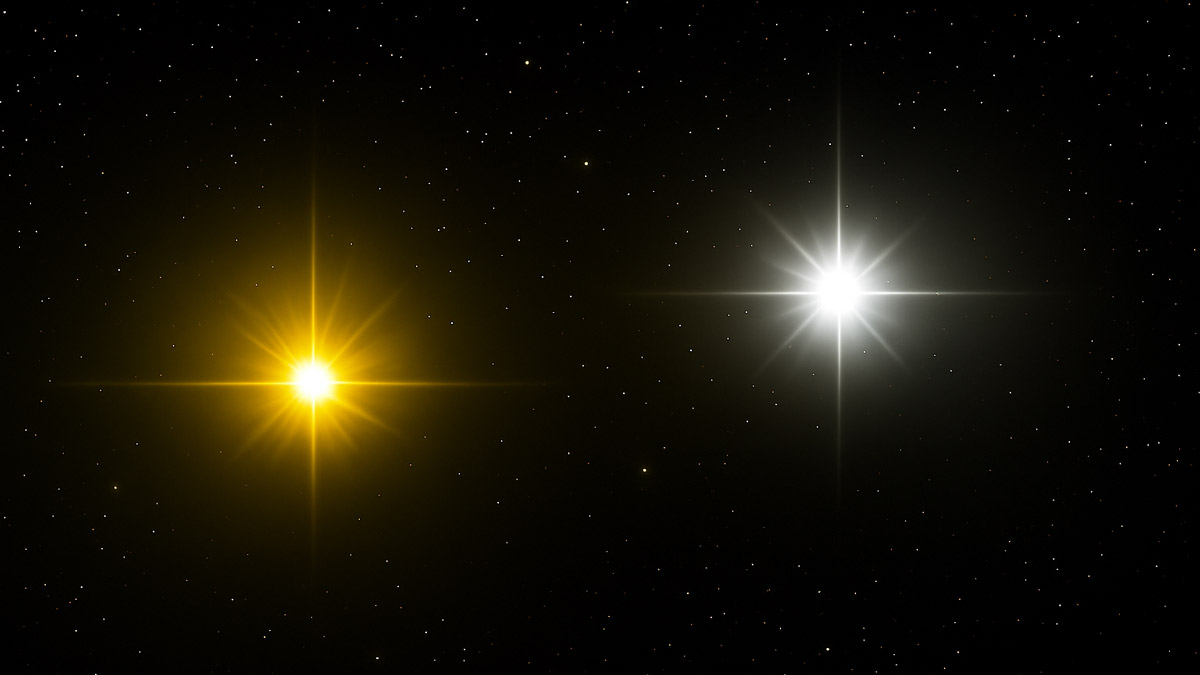
Backyard astronomers can spot the binary star Struve 2446 in the constellation Aquila during late summer and early autumn nights. Cataloged by Friedrich von Struve in 1825, the pair is visible under dark conditions. Struve 2446 A appears pale yellow while Struve 2446 B is fainter, offering a rewarding telescope experience. Also known as STF 2446, Σ2446, HD 177749, SAO 124257
Delta Boötis (Princeps): A Golden Yellow Double Star in Boötes

On spring and summer nights, the double star Delta Boötis shines down from the northern constellation of Boötes, the Herdsman. The two stars are wide apart in the sky, making them an easy target to find. Accounting for the significant separation between the two and the beautiful golden hue of the primary star, this double star instantly becomes a gem for backyard astronomers. The pair is also known by the following: Del Boo, STFA 27, SAO 64589, HD 135722, 49 Bootis, δ Boo, HR 5681, HIP 74666
56 Herculis (Struve 2110): A Contrasting Pair of Orange and Teal
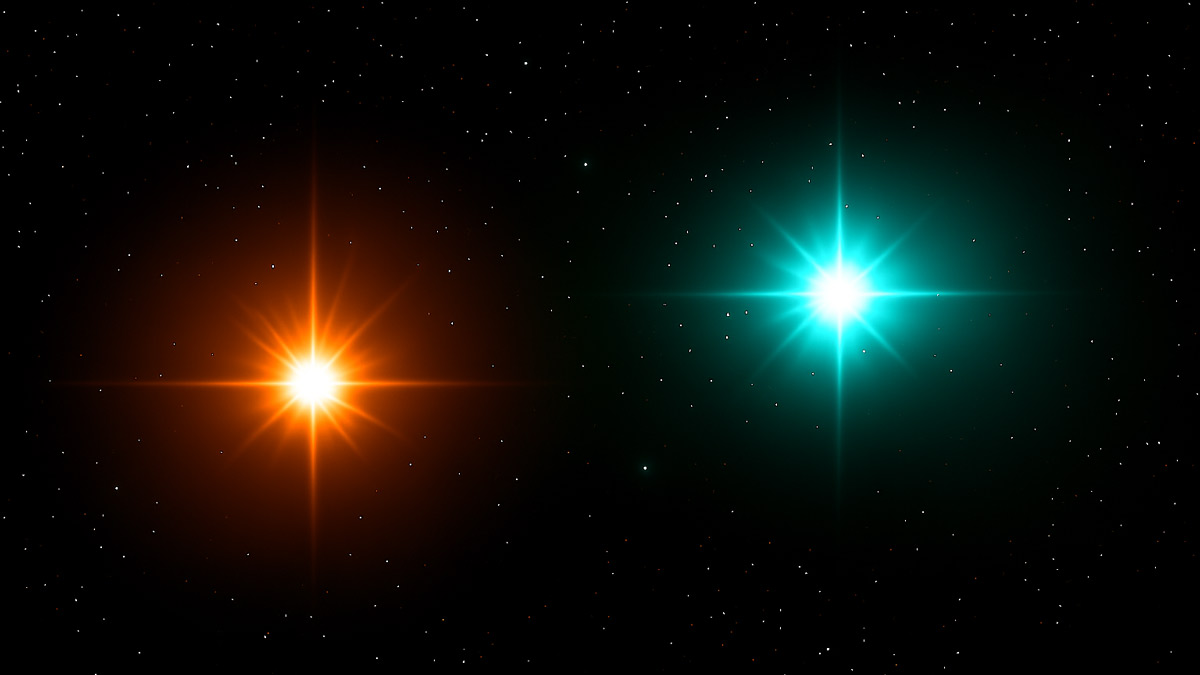
Color-contrasting double stars are stunning celestial jewels, and 56 Herculis is one of them featuring the beautiful orange and teal contrasting colors. The binary belongs to the spring and summer constellation of Hercules. Learn more and see how the pair appears in the suburban telescope. Also known as STF 2110, SAO 84692, HD 152863, HR 6292, 56 Her, and HIP 82780.
Messier 106: A Galaxy with Unique Arms in Canes Venatici

Within the constellation Canes Venatici, or NGC 4258, is Messier 106 with it’s arms made of gas and dust. Most observers with a modest telescope can make out Messier 106’s relatively bright and distinct structure. And speaking of structure, one of the most fascinating aspects of M 106 is its unique arms. Unlike typical spiral galaxies where the arms are composed mainly of stars, the extra arms of M106 are composed of vast amounts of gas.
17 Canum Venaticorum: A Wide Pair of Pearly White Stars
The double white star 17 Canum Venaticorum lies in the spring northern constellation of Canes Venatici. The stars that make this nice double lie 275 arcseconds apart and lie 206 light years from Earth. The pair is also known as 17 CVn, STFA 24, SAO 63380, HD
114447, HR 4971, HIP 64246, 16 CVn.
HD 120164: An Orange and Yellowish Binary in Canes Venatici
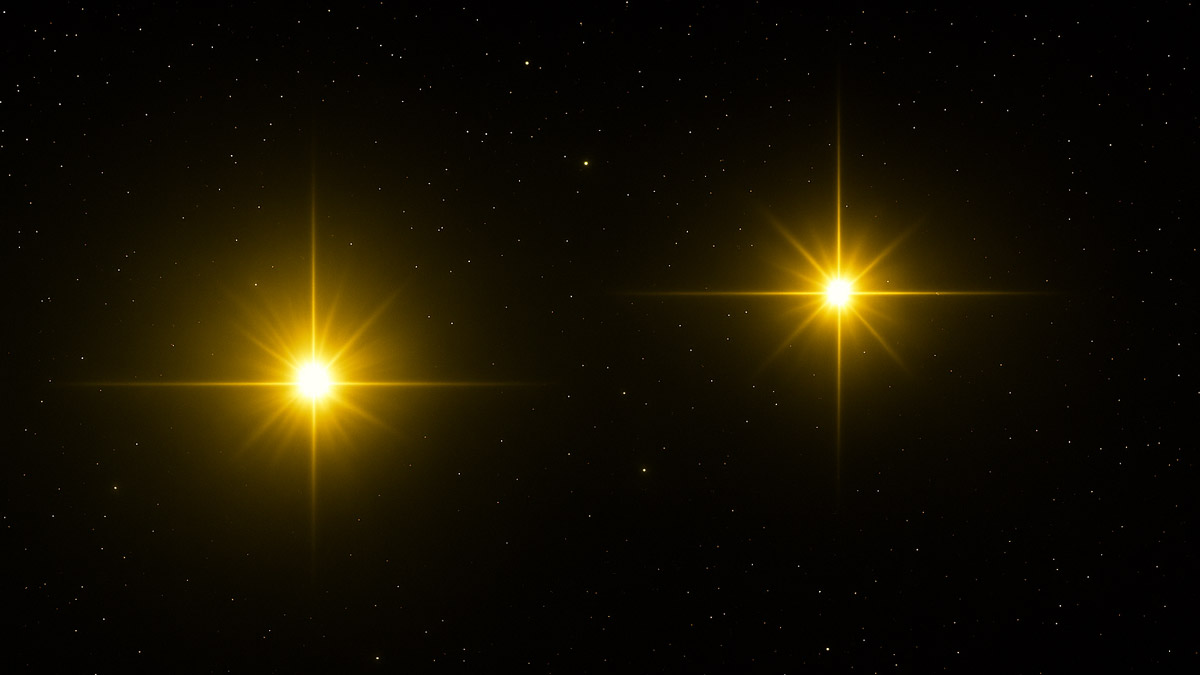
Nestled in the northern constellation of Canes Venatici, Latin for “the Hunting Dogs,” the double star HD 120164 features an attractive orange giant paired with a dimmer yellow-white star. The binary is also known as SAO 63739 and HR 5186.
2 Canum Venaticorum: A Cherry Red Giant Double in Canes Venatici
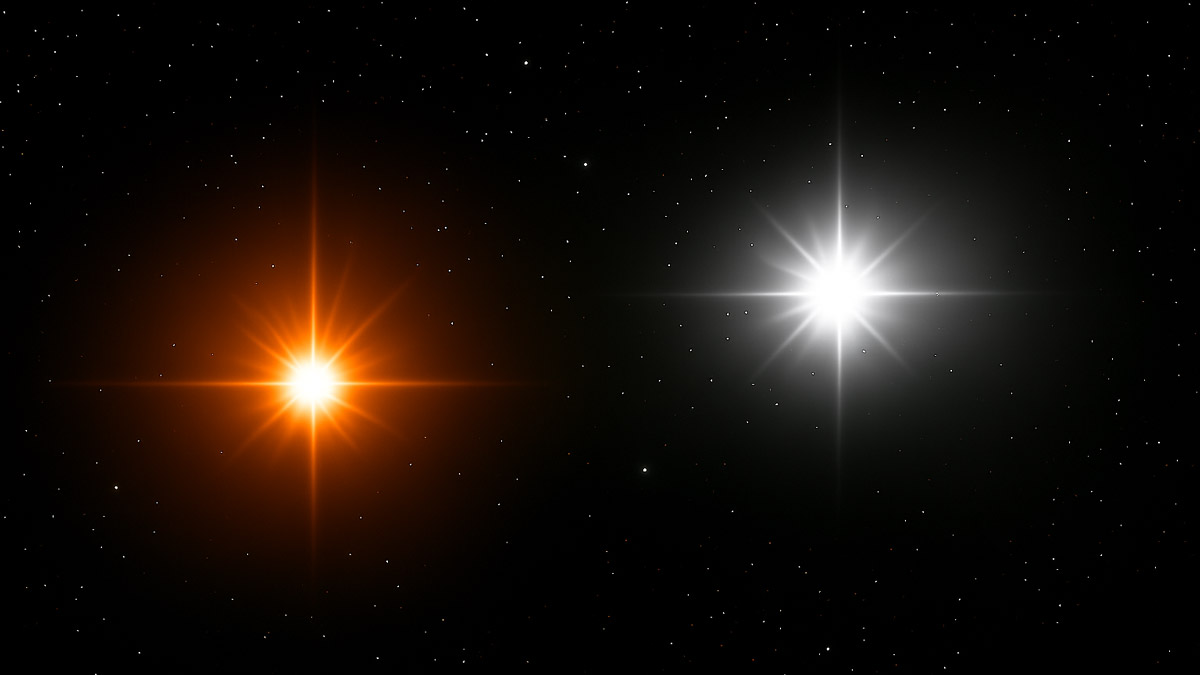
Nestled in the northern constellation of Canes Venatici, Latin for “the Hunting Dogs,” the double star 2 Canum Venaticorum (also known as Struve 1622) offers a captivating sight for those who love double stars. Observers can catch this pair in the northern sky in the spring and early summer months near the more famous constellation Ursa Major. The double star is also known as SAO 44097, 2 CVn, STF 1622, HIP 59827, HD 106690, HR 4666.
 The Garden Astronomer