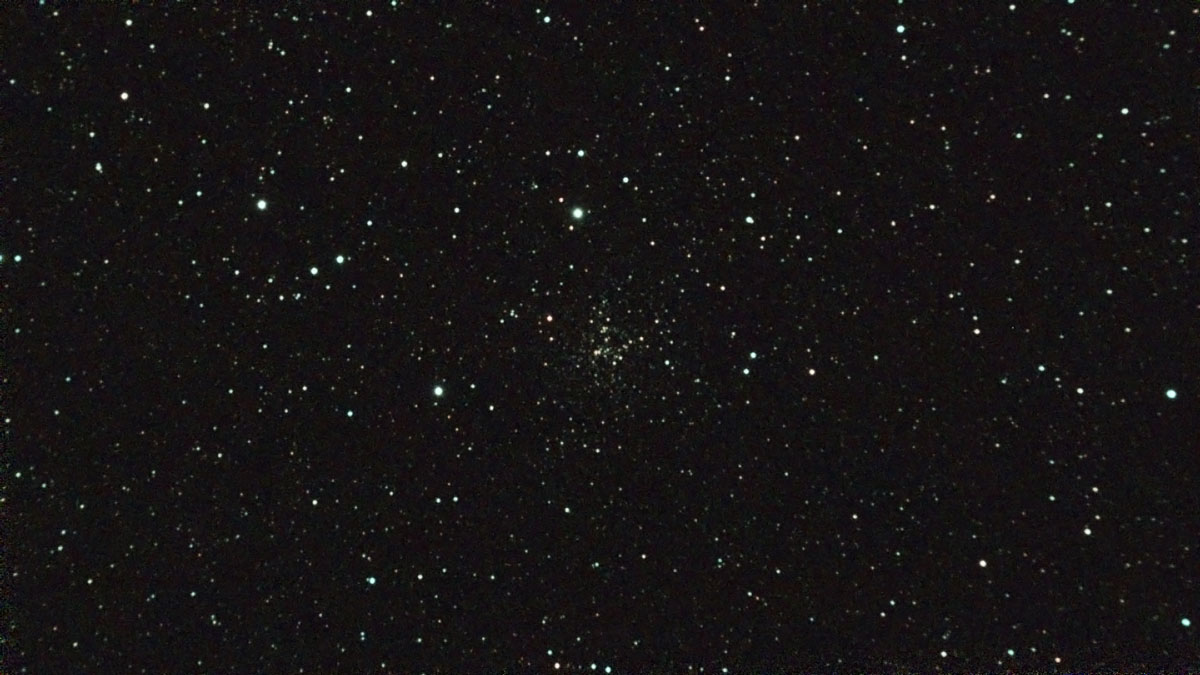
The constellation Cygnus is rich with countless celestial objects. Among these is the open star cluster NGC 6819, a great assembly of stars also known as the Foxhead Cluster. Backyard astronomers can enjoy visiting the fox head on summer and autumn nights, much like the pioneering astronomer Caroline Herschel, who first observed it on May 12, 1784.
Author Archives: Wayne McGraw
52 Cygni: A Tight Double Star
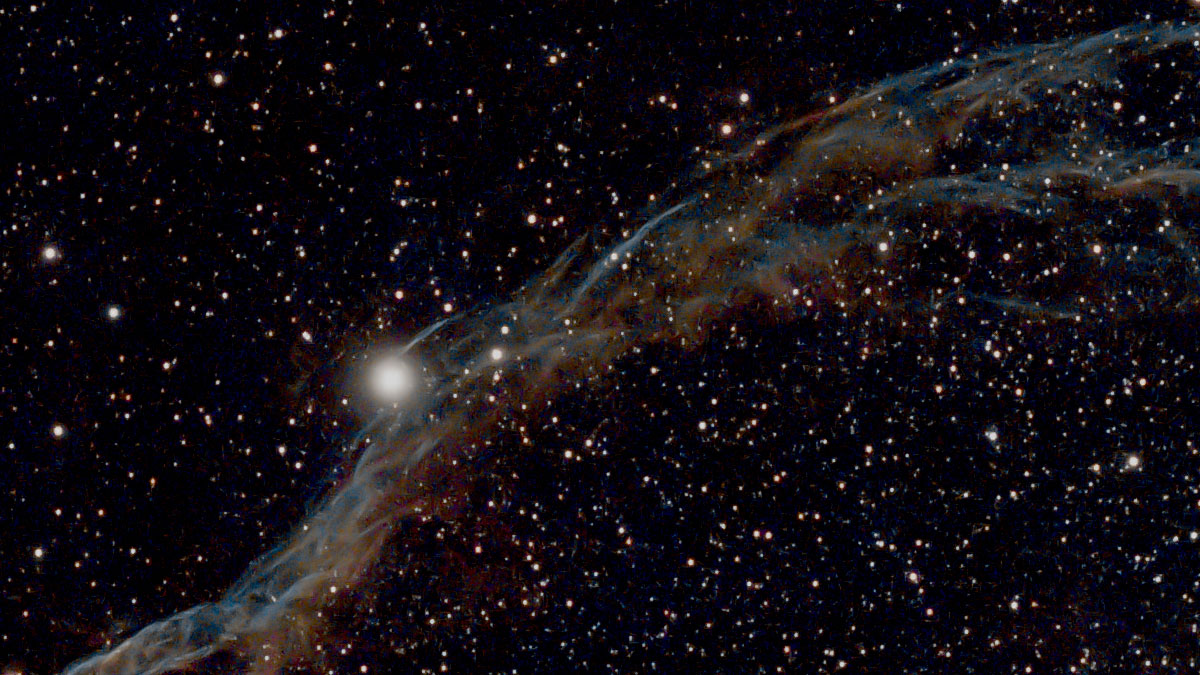
While no one can deny the beauty of the Western Veil Nebula, 52 Cygni (Struve 2726) also provides a visual treat to backyard observers who like double stars. 52 Cygni also known as STF 2726, SAO 70467, HD 197912, HR 7942, 52 Cyg, HIP 102453.
NGC 3115: The Spindle Galaxy with a Supermassive Black Hole

Within the constellation Sextans, the Spindle Galaxy, or NGC 3115, is observed edge-on from Earth, displaying a lens-like appearance. Discovered by William Herschel in 1787, it is a lenticular galaxy with a central bulge housing a supermassive black hole. Despite its massive size, the black hole shows subdued behavior, emitting faint radiation. Observations in March 2024 in Seattle revealed its distinct appearance, in line with previous descriptions.
Messier 97 (NGC 3587): An Owl Looks Down from Ursa Major

Welcome to the Owl Nebula, also known as Messier 97. This planetary nebula is located in the constellation Ursa Major and can be seen in the night sky every spring. When viewed with small telescopes under clear, dark conditions, it appears as a small circular smudge. However, telescopes with a diameter of over 8 inches can reveal more of the nebula’s unique owl-like features. Also known as M97, NGC 3587, ARO 25.
Messier 108 (NGC 3556): Catching a Wave on Ursa Major’s Surfboard Galaxy

Messier 108, also known as NGC 3556, is a galaxy located in the constellation Ursa Major. Also known as the Surfboard Galaxy, it appears as a thin dim streak in the eyepiece of small and moderate telescopes under suburban skies.
Theta Cancri: A Gem in the Crab
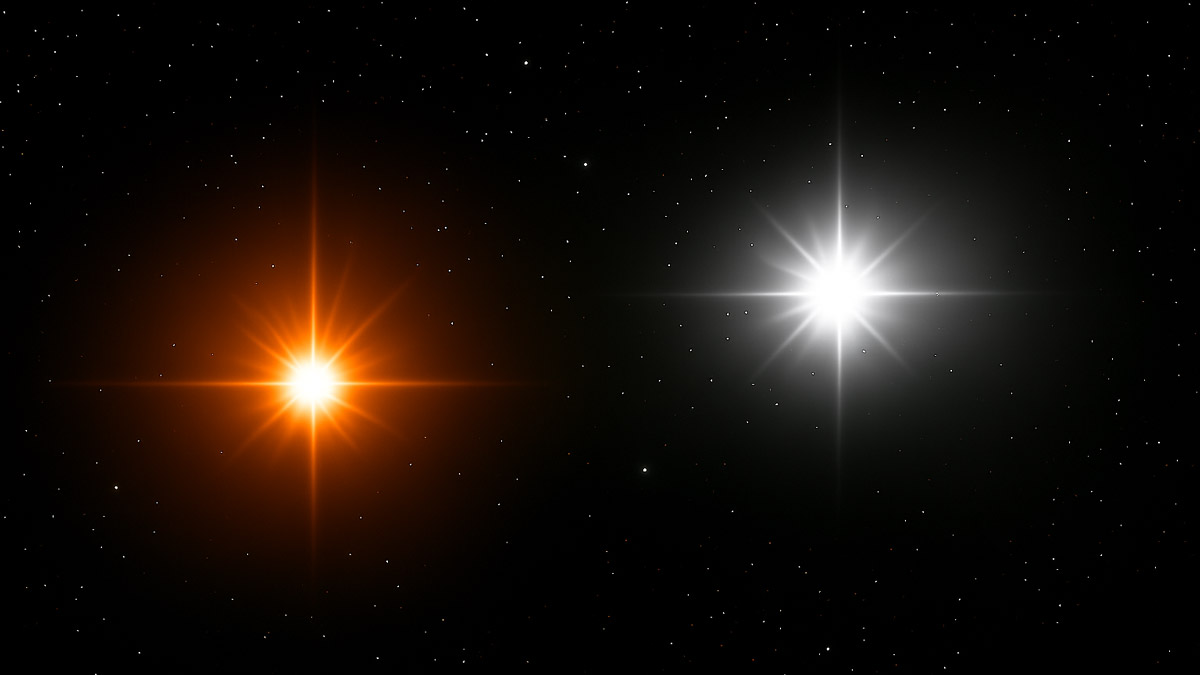
Theta Cancri is a pretty double star in the spring constellation of Cancer. The primary star shines a pretty red-orange color. The star is also known as 31 CNC, SAO 97881, HD 72094, HIP 41822, HR 3357
145 Canis Majoris: Winter’s Beautiful Version of Albireo
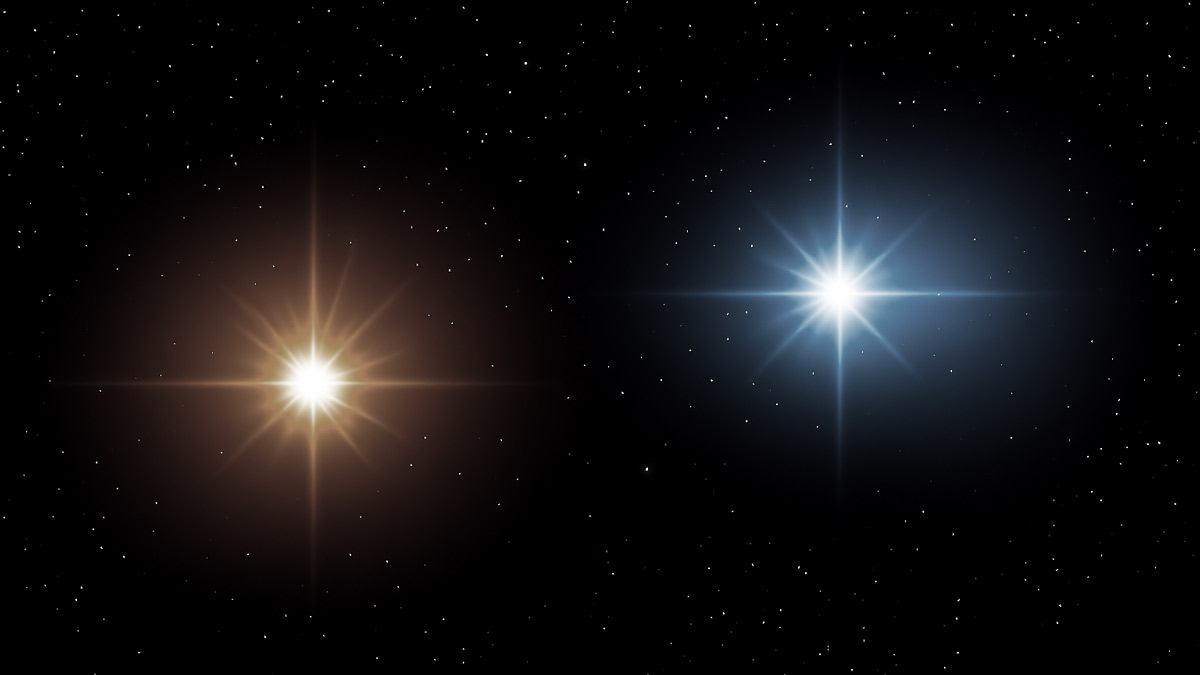
The comparison of winter’s 145 Canis Majoris and summer’s Albireo highlights their contrasting beauty, with 145 CMa’s warm orange-yellow primary and aqua secondary creating a stunning double star spectacle. Easily visible at a separation of 26.4 arcseconds, it remains a winter favorite for amateur astronomers seeking captivating celestial experiences. The double star is also known as 145 CMa, SAO 173349, HR 2764, HD 56577, HIP 35210.
Epsilon Hydrae: A Tight Celestial Pair in the Serpent
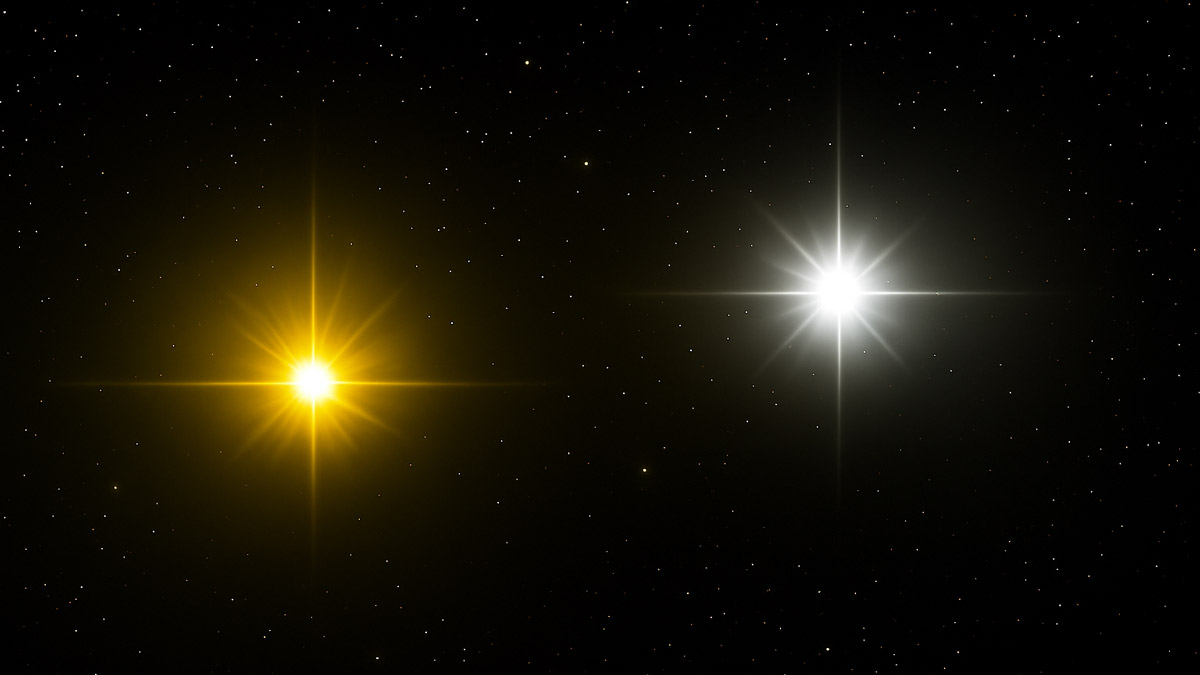
Epsilon Hydrae is a notable binary star system in the constellation Hydra, discovered by Wilhelm Struve in 1825. The primary star orbits a close companion every 15 years, with a further distant companion observed through telescopes. Best viewed in spring, Epsilon Hydrae presents an engaging target for amateur astronomers. Also known as: SAO 117112, Eps Hya, 11 Hydrae, ε Hya, HD 74874, HIP 43109, HR 3482
 The Garden Astronomer