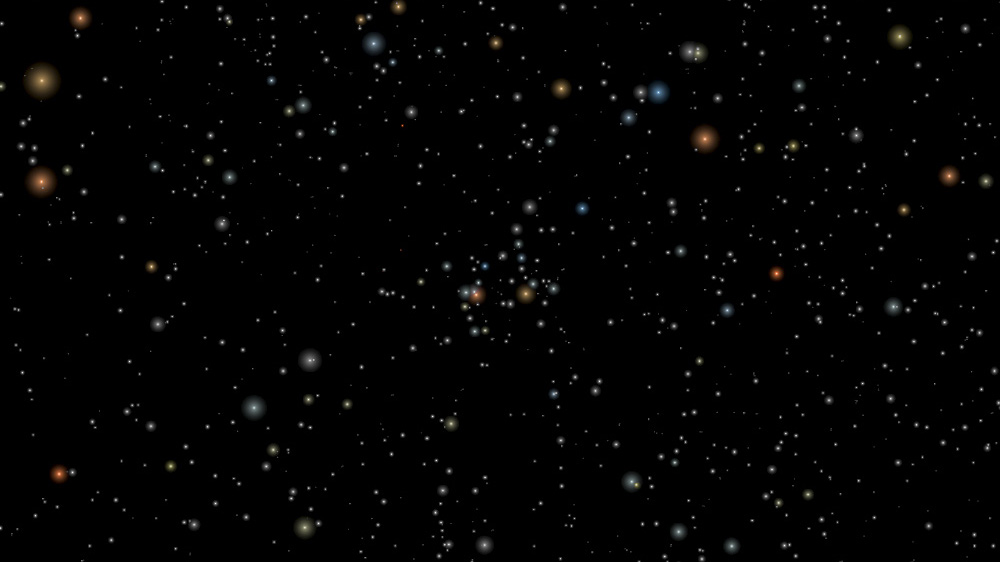
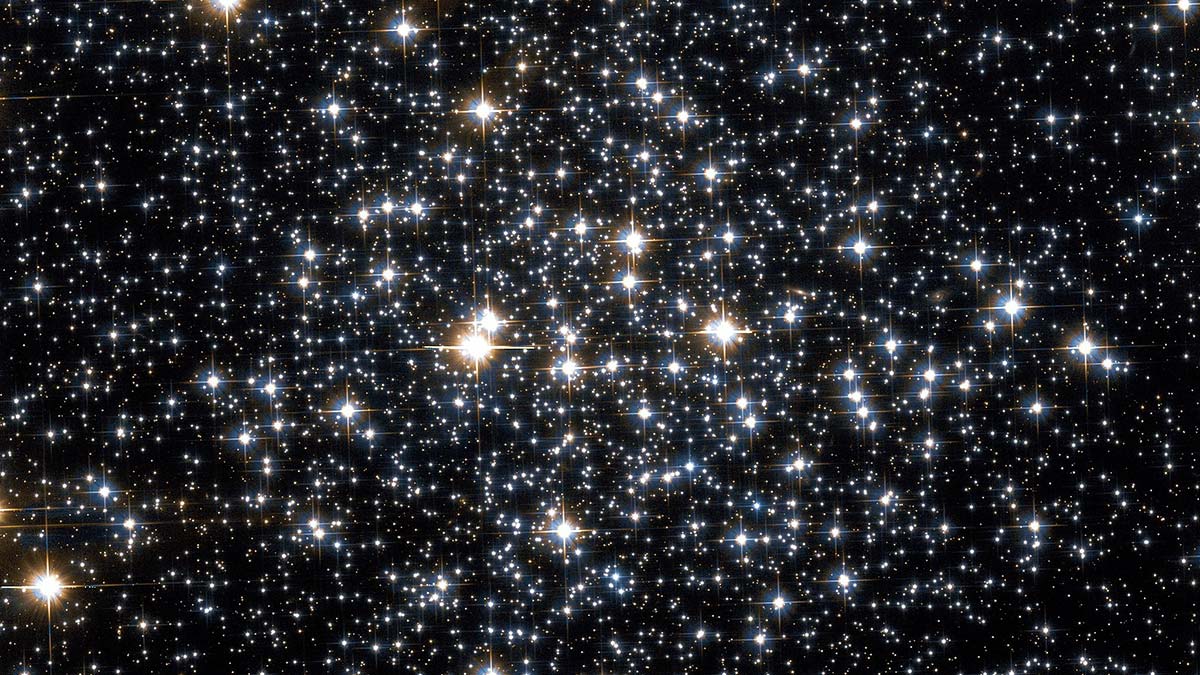
The constellation Delphinus boasts a variety of nice celestial objects, including Struve 2679, a multiple-star system that is visible during late summer and early autumn nights. It makes a small triangle.
Author Archives: Wayne McGraw
Struve 2690 (15 Delphini): A Quaint Multiple Star System in the Dolphin’s Tail
15 Delphini, also known as Struve 2690, is a multiple-star system that is visible during late summer and autumn nights. Most observers will see a quaint pair of equally bright stars in the tail of the constellation Delphinus, but more star lurk nearby!
NGC 6811: A Smoke Ring of Stars in the Constellation Cygnus
The star cluster NGC 6811 in Cygnus has a unique dark center that some people call “The Hole in the Cluster,” making this a great target for backyard astronomers.
Wherever You May Roam: Milky Way in the Florida Keys
Trace a lifetime of stargazing from the Florida Keys, where the Milky Way shines over tropical waters in a personal reflection on cosmic wonder.
61 Cygni: The Flying Star
61 Cygni is a bright double star in the constellation Cygnus. It’s best viewed in summer and early autumn. This double star is undoubtably intriguing as it lies a mere 11 light years away.
Struve 2841: An Attractive Yellow and Greenish Double Star in Pegasus
Nestled in the sprawling early autumn constellation of Pegasus is the pretty double star Struve 2841, also known as STF 2841 or HD 208202
NGC 6572: Blue Racquetball Plantary Nebula in Ophiuchus
NGC 6572, the Emerald or Green Nebula in Ophiuchus, is a bright, compact planetary nebula glowing blue-green in summer skies—best seen with a telescope.
Iota Boötes (Asellus Secundus): A Wide Yellow and Lilac Double Star
The double star Iota Boötis shines down from the northern constellation of Boötes. The two stars are separated by approximately 39 arc seconds of space, making the pair visible to those with smaller telescopes—and maybe even binoculars.