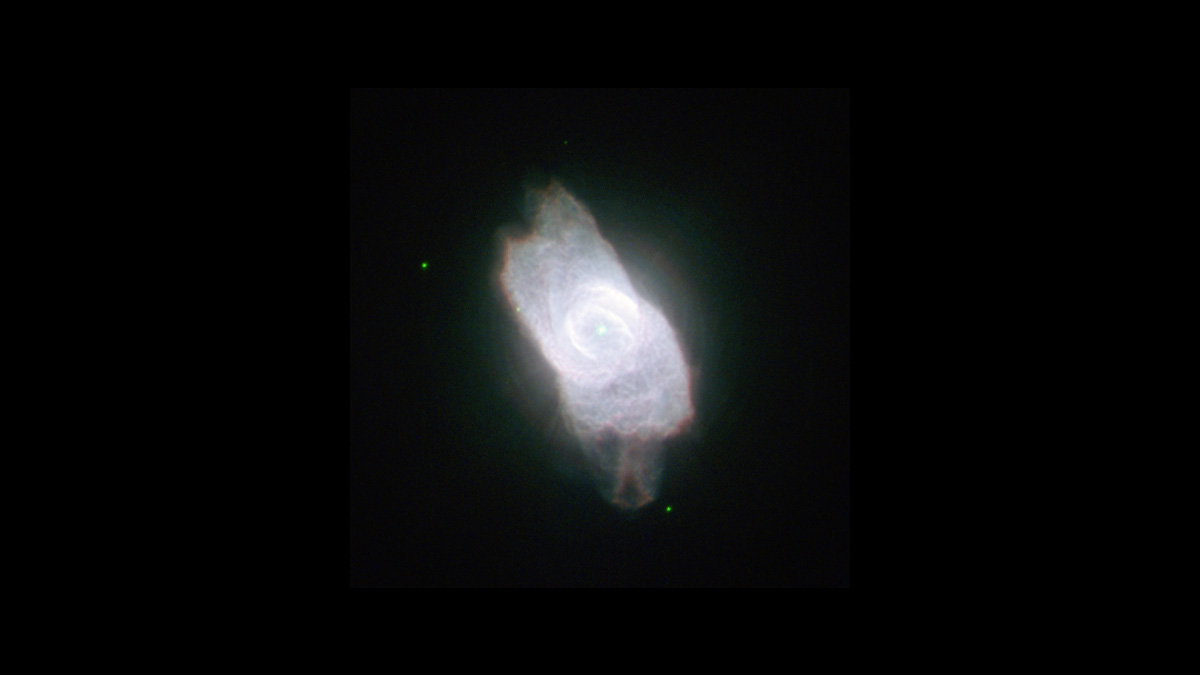
NGC 6572, the Emerald or Green Nebula in Ophiuchus, is a bright, compact planetary nebula glowing blue-green in summer skies—best seen with a telescope.
Author Archives: Wayne McGraw
Iota Boötes (Asellus Secundus): A Wide Yellow and Lilac Double Star

The double star Iota Boötis shines down from the northern constellation of Boötes. The two stars are separated by approximately 39 arc seconds of space, making the pair visible to those with smaller telescopes—and maybe even binoculars.
Struve 2276: A Nice Double Star in Ophiuchus’ Rich Field of Stars
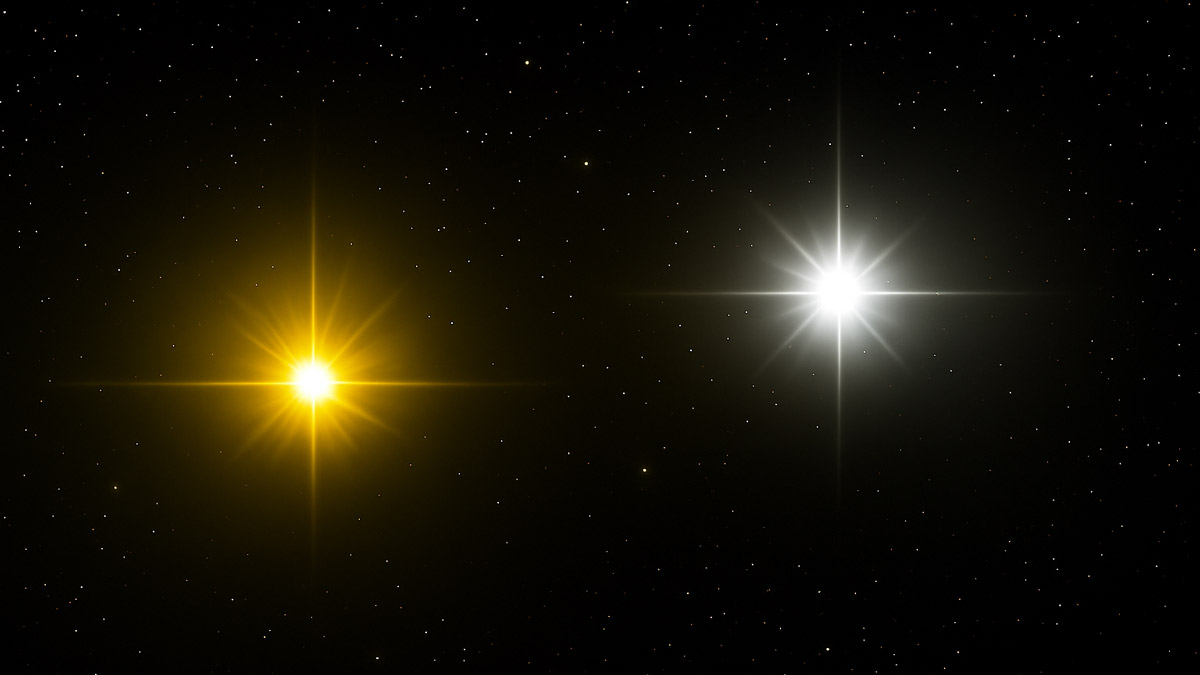
Struve 2276 (STF 2276) is a captivating double star in Ophiuchus, with magnitudes 7.0 and 7.4. First cataloged by Herschel in 1782, it offers a viewing challenge with a separation of 7 arcseconds. Its relationship as a binary or optical double remains unclear, but its visual beauty stands out in the summer sky. Also known as SAO 103373, HIP 88627, HR 6758, HD 165474
Tour a Colorful Palette of Summertime Stars

Join me on a summer backyard adventure to discover stars of all colors.
15 Aquilae: An Attractive Orange and Yellow Double in Aquila
15 Aquilae, also known as h Aquilae, is a pretty orange-yellow double star in the summer constellation of Aquila, which also happens to lie on the celestial equator.
Messier 23 (NGC 6494): Open Cluster in a Sagittarius Starfield
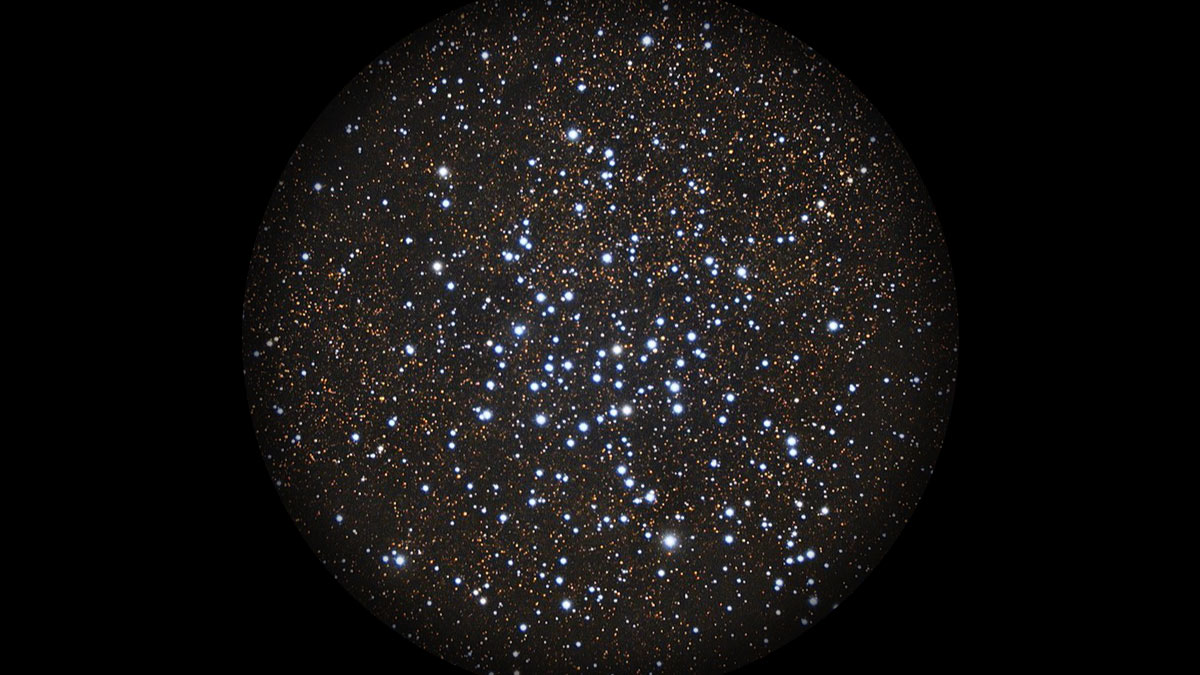
The constellation Sagittarius is home to Messier 23 (M23), a spacious and radiant open star cluster. This cluster is one of several within the summer Milky Way and can be observed through binoculars in dark sky conditions or a small telescope from the suburbs.
Messier 24 (NGC 6603): Small Sagittarius Star Cloud

Messier 24 is not a traditional astronomical object like a nebula, star cluster, or galaxy. Instead, it is a region within our Milky Way galaxy that is densely packed with stars, making it appear like a stunning celestial cloud.
Messier 11 (NGC 6705): A Wild Duck Swims Through Scutum
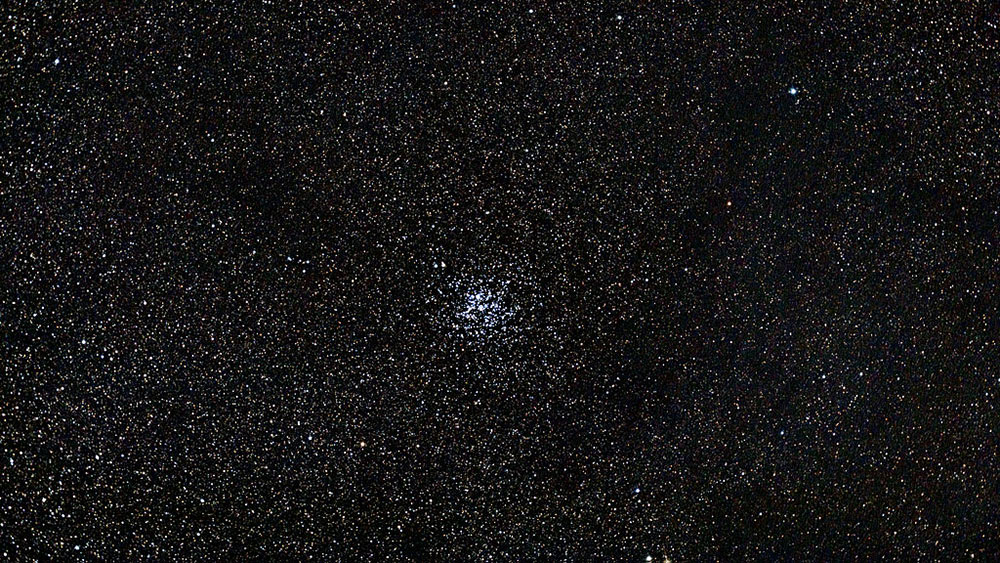
Backyard astronomers will appreciate Messier 11’s bright magnitude, which allows this “cloud” of more than 2,900 stars to be viewable under good conditions. Also known as the Wild Duck Cluster and NGC 6705.
 The Garden Astronomer