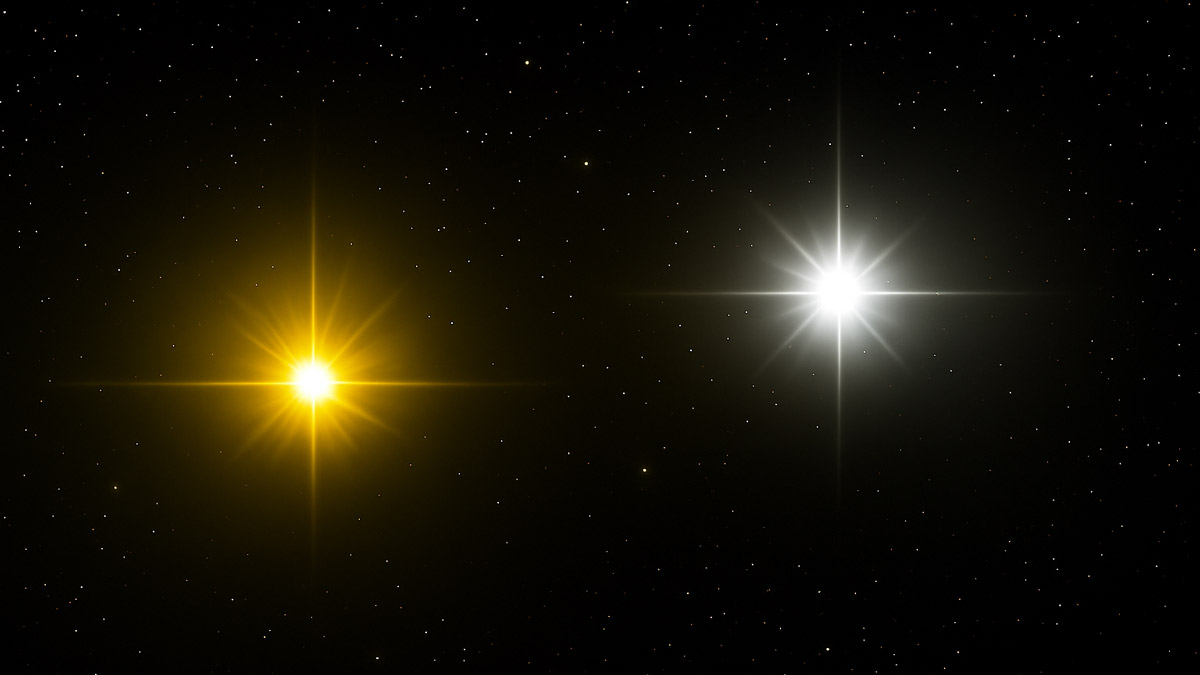
15 Aquilae, also known as h Aquilae, is a pretty orange-yellow double star in the summer constellation of Aquila, which also happens to lie on the celestial equator.
Author Archives: Wayne McGraw
Messier 23 (NGC 6494): Open Cluster in a Sagittarius Starfield
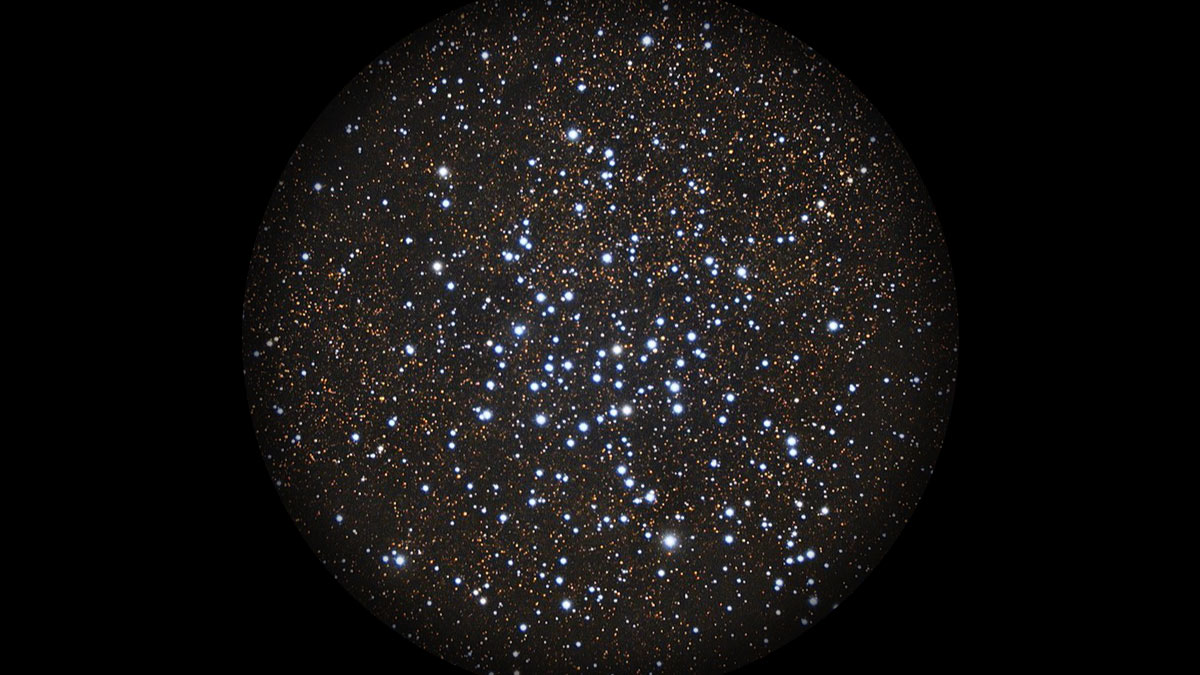
The constellation Sagittarius is home to Messier 23 (M23), a spacious and radiant open star cluster. This cluster is one of several within the summer Milky Way and can be observed through binoculars in dark sky conditions or a small telescope from the suburbs.
Messier 24 (NGC 6603): Small Sagittarius Star Cloud

Messier 24 is not a traditional astronomical object like a nebula, star cluster, or galaxy. Instead, it is a region within our Milky Way galaxy that is densely packed with stars, making it appear like a stunning celestial cloud.
Messier 11 (NGC 6705): A Wild Duck Swims Through Scutum
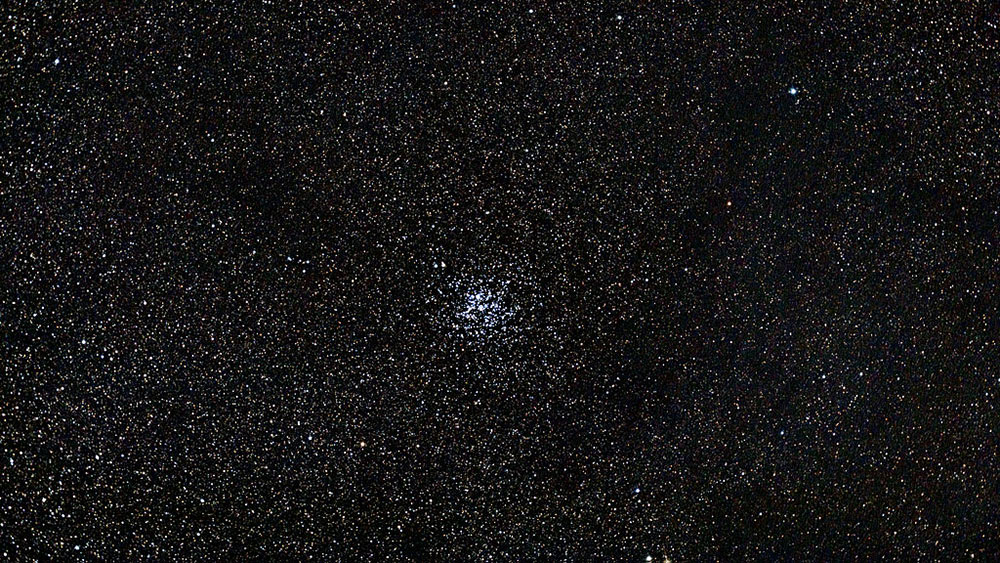
Backyard astronomers will appreciate Messier 11’s bright magnitude, which allows this “cloud” of more than 2,900 stars to be viewable under good conditions. Also known as the Wild Duck Cluster and NGC 6705.
NGC 6356: A Small Globular Cluster with Bright Center in Ophiuchus

NGC 6356 is a globular cluster located a stunning 50,000 light-years away from Earth. This smaller, dense globular is best viewed on summer nights in the constellation Ophiuchus.
Messier 9 (NGC 6333): Globular Cluster Near the Heart of the Galaxy

Messier 9 (NGC 6333) lies lower in the southern skies on summer nights in the constellation Ophiuchus. M9 is a globular cluster near the center of a galaxy and enjoyable summer target.
Nu Serpentis: A White Double Star in Serpens
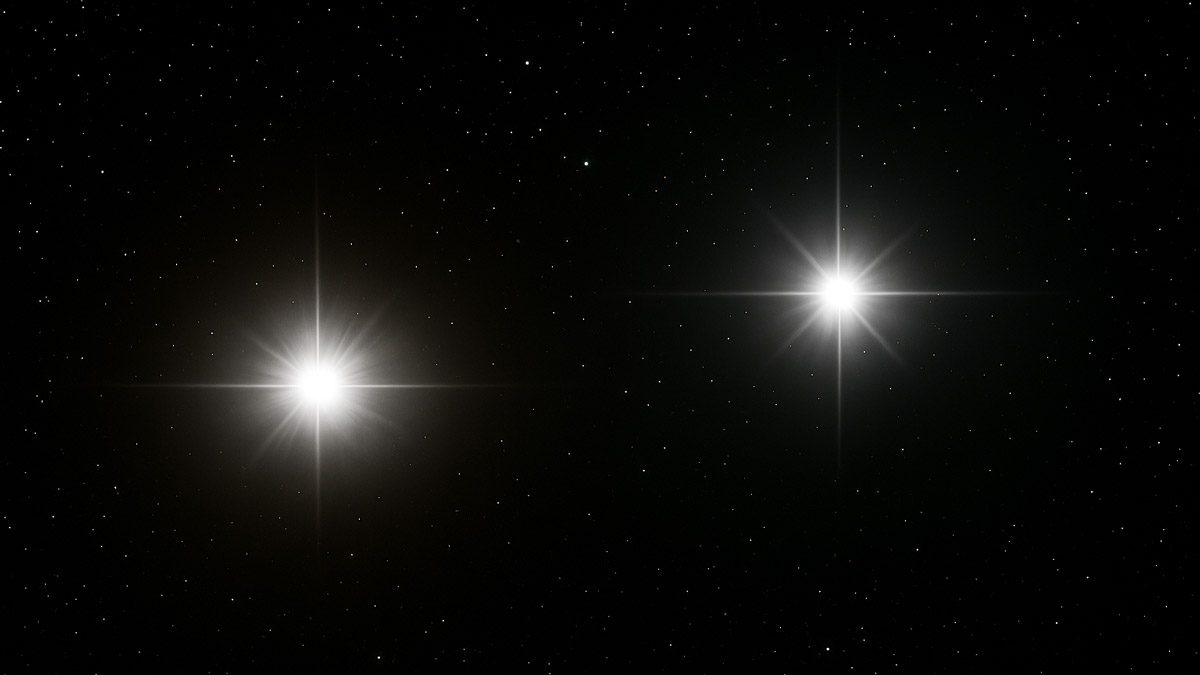
Nu Serpentis is a double star in the summer constellation Serpens also known as 53 Ser and HD 156928 or SAO 160479.
UX Draconis: A Rich Orange-Colored Carbon Star in the Snake

VY Ursae Majoris (VY UMa) is a red hypergiant and popular carbon star located in the constellation Ursa Major. Best viewed in the springtime.
 The Garden Astronomer