Skip to content

The Garden Astronomer

Observations Under Suburban Skies

  • Home
  • Observations
    • By Alphabetical Order
    • By Date
    • By Constellation
    • Messier Objects
    • Nebulas and Galaxies
    • NGC and IC Objects
    • Double Stars
    • Star Clusters
    • Solar System
  • Articles
  • About
  • Tips

Author Archives: Wayne McGraw

Struve 1919: Serpens Offers an Attractive Double of Peach and Blue
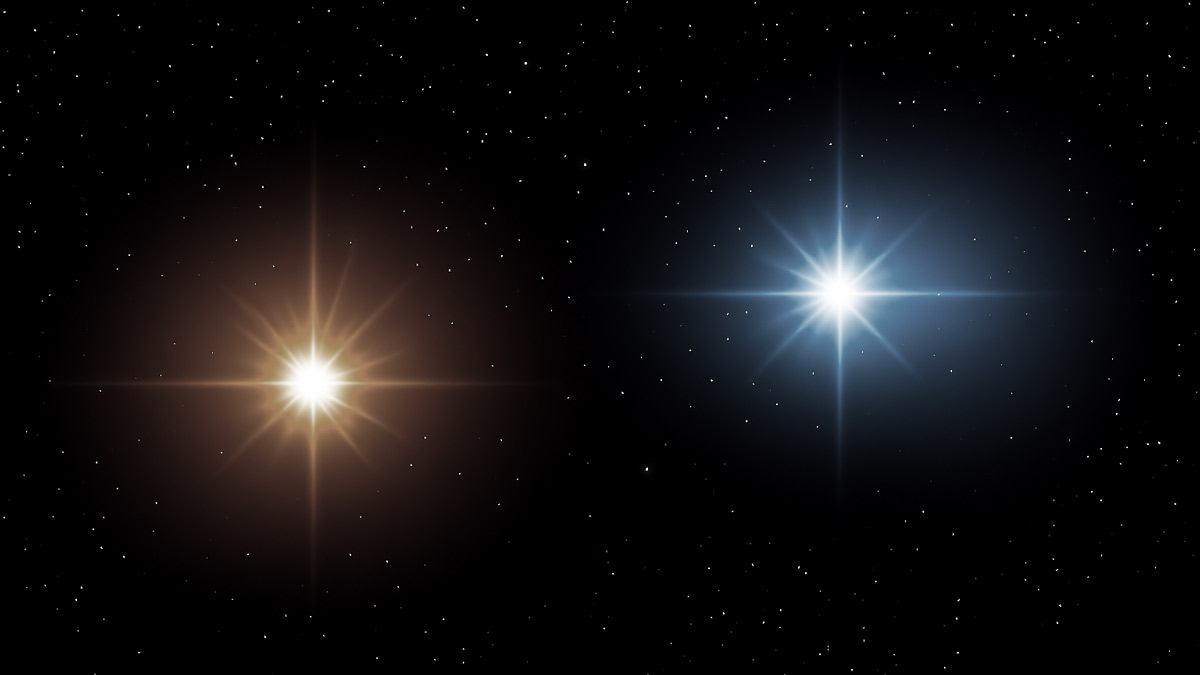
Illustration of a double star system.

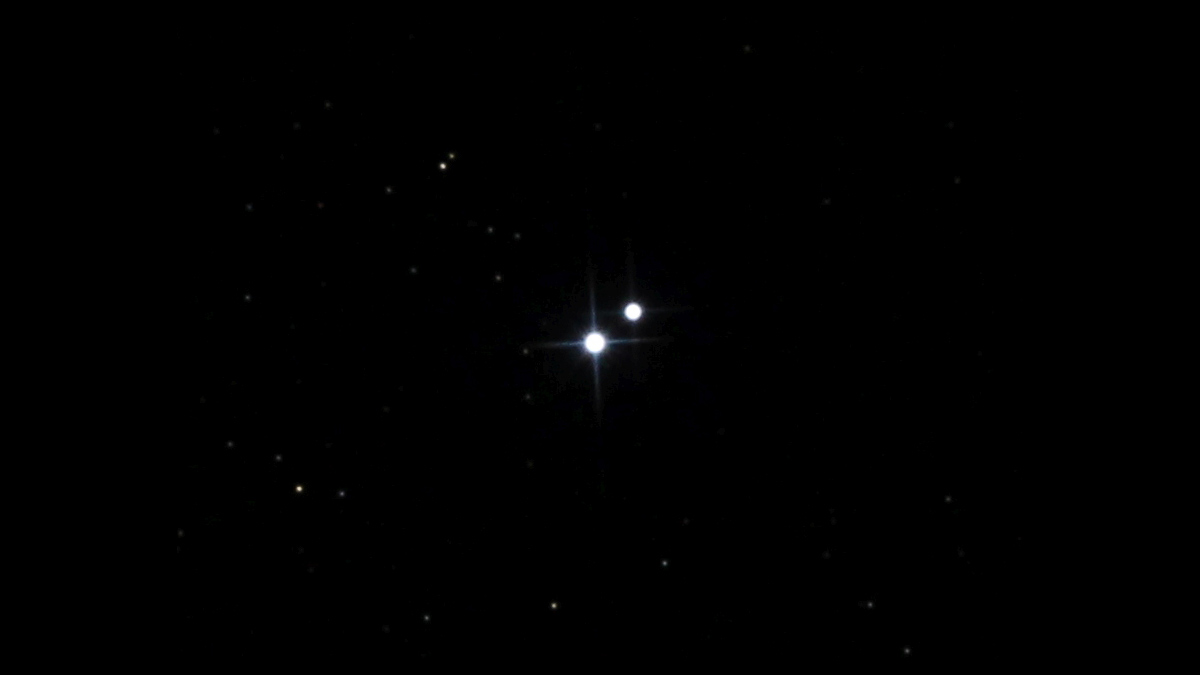
Struve 1919 is an attractive double star in the constellation of Serpens. It’s best viewed during the summer. The binary is also known as STF 1919, SAO 101438, HR5659, HD135101.

Posted byWayne McGrawJune 5, 2023July 8, 2025Posted inDouble/Multiple StarsTags:Serpens, SummerLeave a comment on Struve 1919: Serpens Offers an Attractive Double of Peach and Blue

The Sun: Our Powerhouse

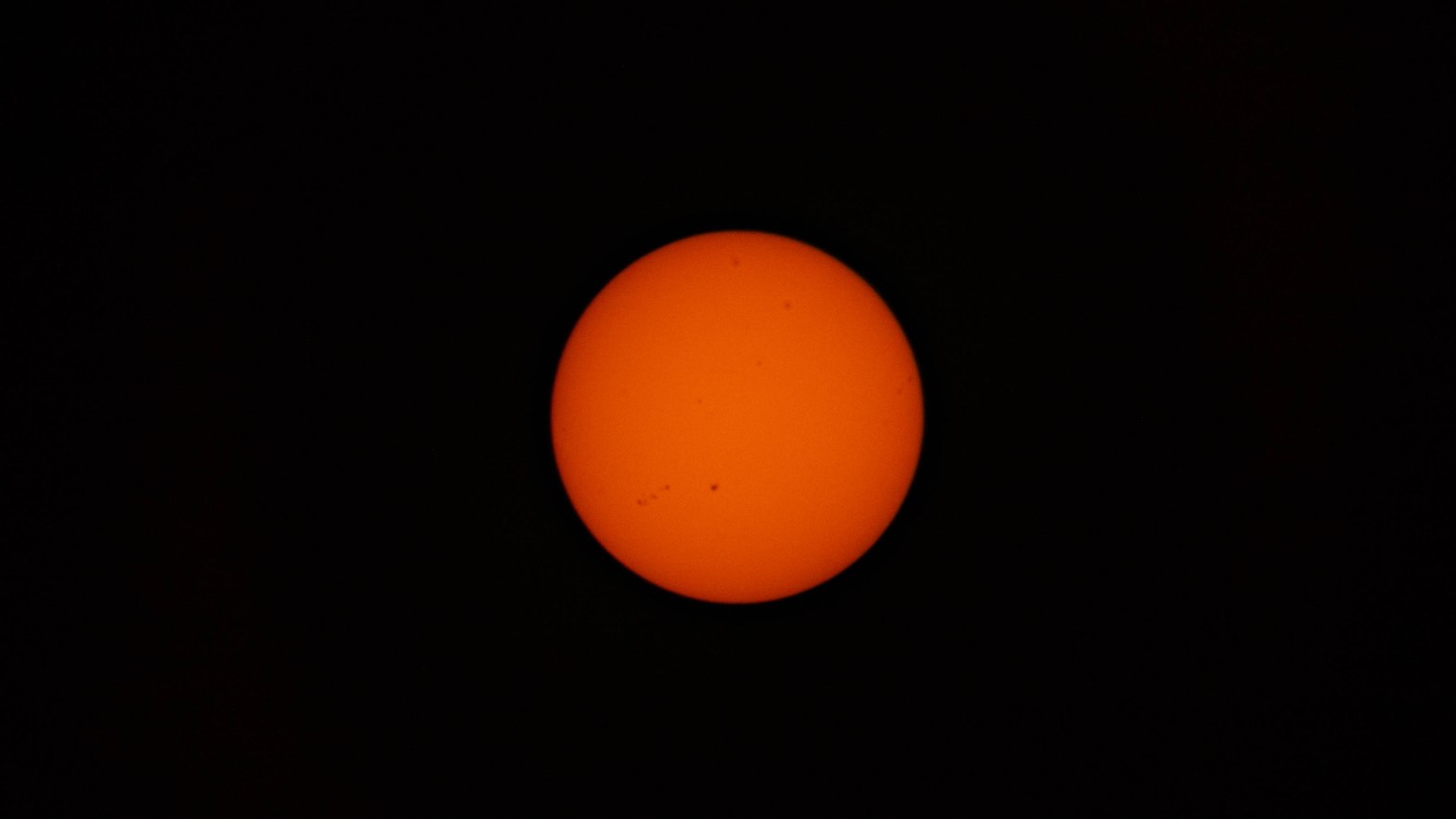
Our Sun, situated at the center of our solar system, serves as the gravitational anchor around which Earth and other celestial bodies revolve. Right now it is experiencing great solar activity.

Posted byWayne McGrawJune 3, 2023March 10, 2024Posted inNotable Stars, Solar SystemTags:Spring2 Comments on The Sun: Our Powerhouse

Messier 101: The Pinwheel Galaxy and Brilliant Supernova SN 2023ixf

On May 19, 2023, a bright supernova appeared in one of the Pinwheel’s spiral arms. A week after, I captured it with my DSLR camera.

Posted byWayne McGrawMay 26, 2023June 9, 2023Posted inGalaxies, Messier ObjectsTags:Notable, Spring, Ursa Major1 Comment on Messier 101: The Pinwheel Galaxy and Brilliant Supernova SN 2023ixf

VY Ursae Majoris: A Beautiful Carbon Star in Ursa Major

VY Ursae Majoris (VY UMa) is a red hypergiant and popular carbon star located in the constellation Ursa Major. Best viewed in the springtime.

Posted byWayne McGrawMay 13, 2023May 19, 2023Posted inNotable StarsTags:Spring, Ursa Major1 Comment on VY Ursae Majoris: A Beautiful Carbon Star in Ursa Major

54 Virginis: A Close Pair of Stars Near the Celestial Equator

Illustration of double star system

54 Virginis is a double star in the spring constellation of Virgo. The stars are fairly close together but can be split with a telescope.This double is also known as LM Vie, SAO 157799, or HIP 64520.

Posted byWayne McGrawMay 13, 2023June 15, 2025Posted inDouble/Multiple StarsTags:Spring, VirgoLeave a comment on 54 Virginis: A Close Pair of Stars Near the Celestial Equator

Struve 1659: The Stargate Cluster (Asterism) in Corvus

Learn about the star cluster Struve 1659 also known as the Stargate Cluster. The object is an asterism in the southern constellation of Corvus best viewed from the Northern Hemisphere in the spring.

Posted byWayne McGrawMay 13, 2023June 1, 2023Posted inStar ClustersTags:Corvus, SpringLeave a comment on Struve 1659: The Stargate Cluster (Asterism) in Corvus

SS Virginis: An Orange-Red Variable and Carbon Star in Virgo

SS Virginis (SS Vir) is a Mira variable and carbon star located in the constellation Virgo, best viewed in springtime. It pulsated over a period of 361 days.

Posted byWayne McGrawMay 13, 2023May 27, 2023Posted inNotable StarsTags:Spring, VirgoLeave a comment on SS Virginis: An Orange-Red Variable and Carbon Star in Virgo

Ceres: The Largest Object in the Asteroid Belt

Ceres is a dwarf planet located in the asteroid belt between Mars and Jupiter. It is the largest object in the asteroid belt. Giuseppe Piazzi discovered Ceres on January 1, 1801.

Posted byWayne McGrawMay 12, 2023June 22, 2025Posted inSolar System1 Comment on Ceres: The Largest Object in the Asteroid Belt

Posts pagination

Newer posts 1 … 25 26 27 28 29 … 55 Older posts

Contact Wayne | Cookies Policy | Privacy Policy

The Garden Astronomer, Create a website or blog at WordPress.com
  • Subscribe Subscribed
    • The Garden Astronomer
    • Join 30 other subscribers
    • Already have a WordPress.com account? Log in now.
    • The Garden Astronomer
    • Subscribe Subscribed
    • Sign up
    • Log in
    • Report this content
    • View site in Reader
    • Manage subscriptions
    • Collapse this bar