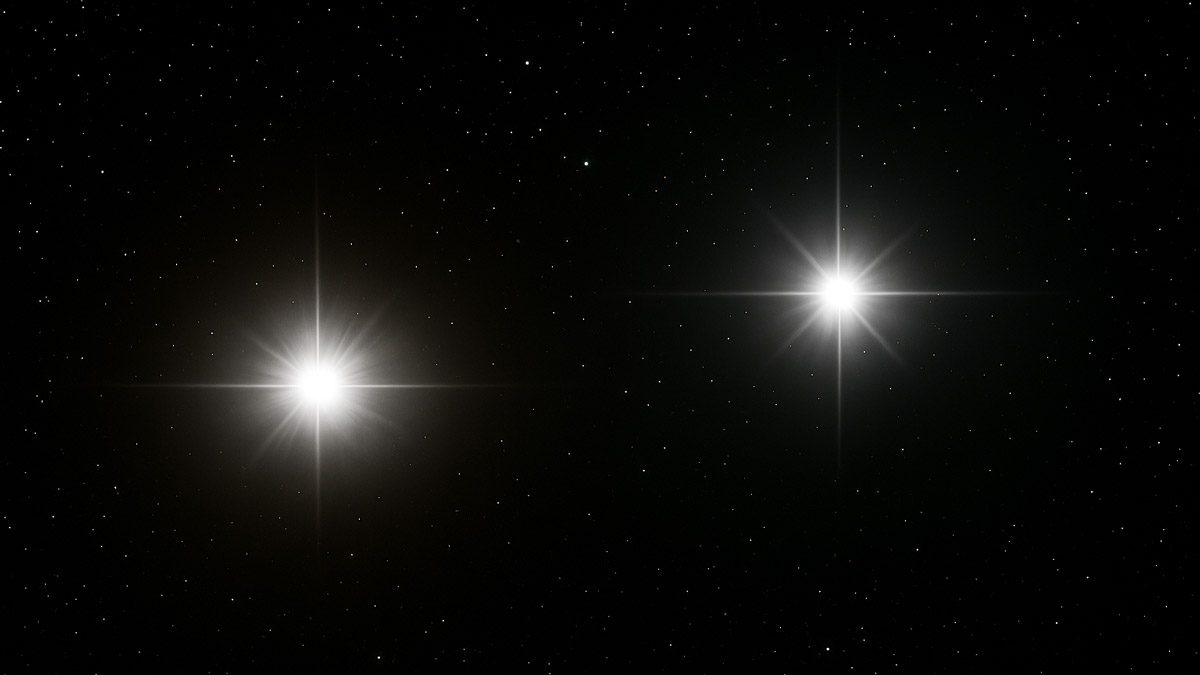
54 Virginis is a double star in the spring constellation of Virgo. The stars are fairly close together but can be split with a telescope.This double is also known as LM Vie, SAO 157799, or HIP 64520.
Author Archives: Wayne McGraw
Struve 1659: The Stargate Cluster (Asterism) in Corvus

Learn about the star cluster Struve 1659 also known as the Stargate Cluster. The object is an asterism in the southern constellation of Corvus best viewed from the Northern Hemisphere in the spring.
SS Virginis: An Orange-Red Variable and Carbon Star in Virgo

SS Virginis (SS Vir) is a Mira variable and carbon star located in the constellation Virgo, best viewed in springtime. It pulsated over a period of 361 days.
Ceres: The Largest Object in the Asteroid Belt

Ceres is a dwarf planet located in the asteroid belt between Mars and Jupiter. It is the largest object in the asteroid belt. Giuseppe Piazzi discovered Ceres on January 1, 1801.
Struve 1835: A Double Star of Brilliant White and Deep Yellow in Boötes
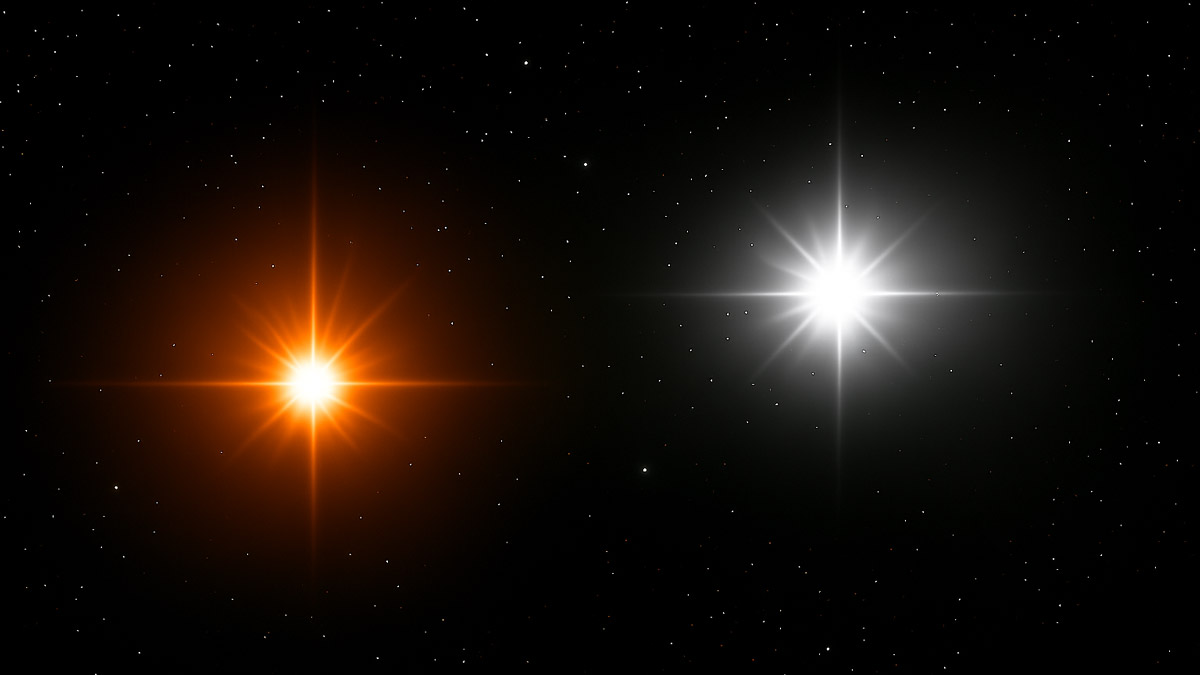
Struve 1835 is an attractive double star in the northern constellation of Boötes. It’s best viewed during the springtime. Observers can view this binary with its white and deep yellow companion using a small telescope, even from the suburbs. The binary is also known as SAO 120426, HD 126129, HR 5386.
12 Comae Berenices: A Bright Double Star Greets You in Coma Berenices

12 Comae Berenices is a pretty double star in the northern constellation of Coma Berenices. At a magnitude around +4.8, backyard astronomers can enjoy this bright binary on spring nights.
Struve 1678: A Light Yellow Double of Equal Brightness in Coma Berenices

Struve 1678 (STF 1678) is a double star of nearly equal brightness in the constellation Coma Berenices, best viewed on spring nights. The binary stars are wide apart at 37 arc seconds, making it an easier target. This double is also known as SAO 100235 or HIP 62249.
Kappa Boötis (Asellus Tertius): A Double Star of White and Deep Blue in Boötes
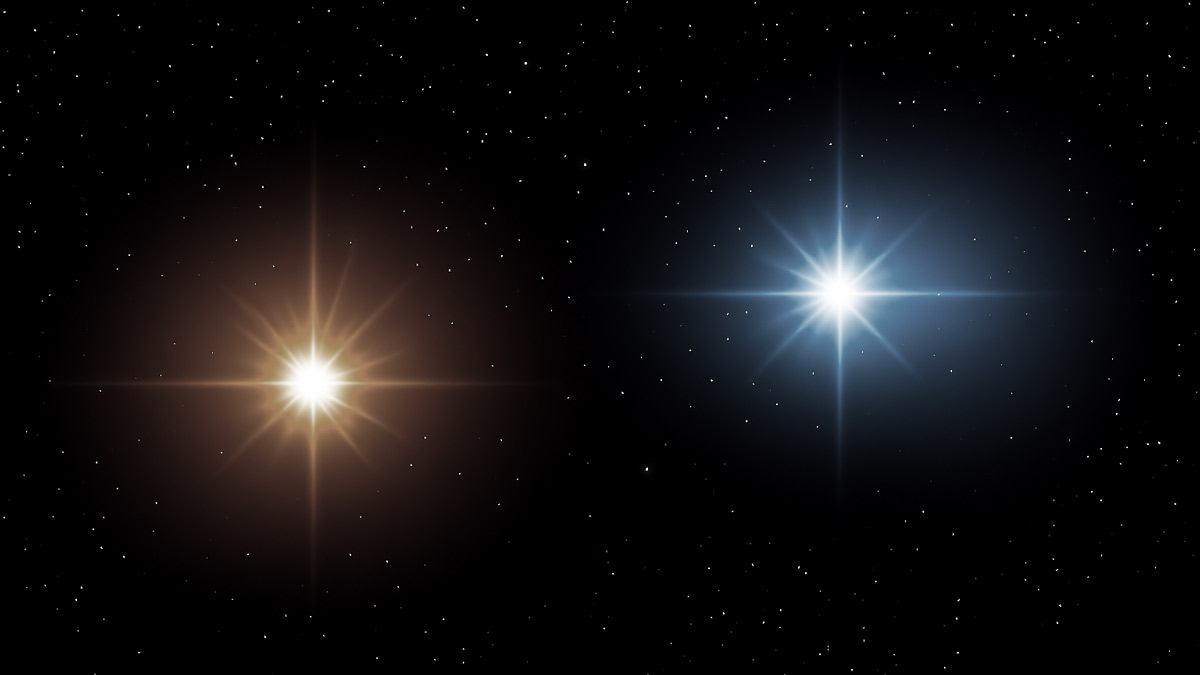
Kappa Boötis is an attractive double star in the northern constellation of Boötes. It’s best viewed during the springtime. Observers can view this binary with its white and deep blue companion using a small telescope, even from the suburbs.
 The Garden Astronomer