
Tau Leonis († Leo), also known as 84 Leo, is a double star in the northern constellation of Leo. It’s best viewed during the springtime. It is a wide bright pair of stars, and the primary star is a pretty lemon color. A large pair of binoculars and any sized scope should be able to see the binary.
Author Archives: Wayne McGraw
83 Leonis (Struve 1540): A Pretty Amber Binary with Exoplanet in Leo
83 Leonis is a binary star in the northern constellation of Leo. It’s best viewed during the springtime. It is a wide bright pair of stars, and the primary star is a pretty orange color. A large pair of binoculars and any sized scope should be able to see the binary. The secondary has an exoplanet around it. The binary is also known as SEO 118864 and Struve 1540.
Struve 1664: A Hockey Stick (or Jaws) Near the Sombrero Galaxy

Struve 1664 is a double star in the constellation Virgo, residing near the famous Messier 104. The binary has a little more to offer than most. Two stars near the pair round out a stellar arrangement or asterism that looks like a hockey stick or Jaws.
Messier 58 (NGC 4579): Messier’s Most Distant Object

Messier 58 (M58) is barred spiral galaxy in the Virgo constellation. It shows as a faint patch of light in moderate scopes from suburban backyards.
Messier 59 (NGC 4621): A Large Elliptical Galaxy in Virgo

Messier 59 (M59) is an elliptical galaxy in the Virgo constellation. It shows as a faint patch of light in moderate scopes from suburban backyards.
88 Leonis (Struve 1547): A Fairly Wide Binary in Leo
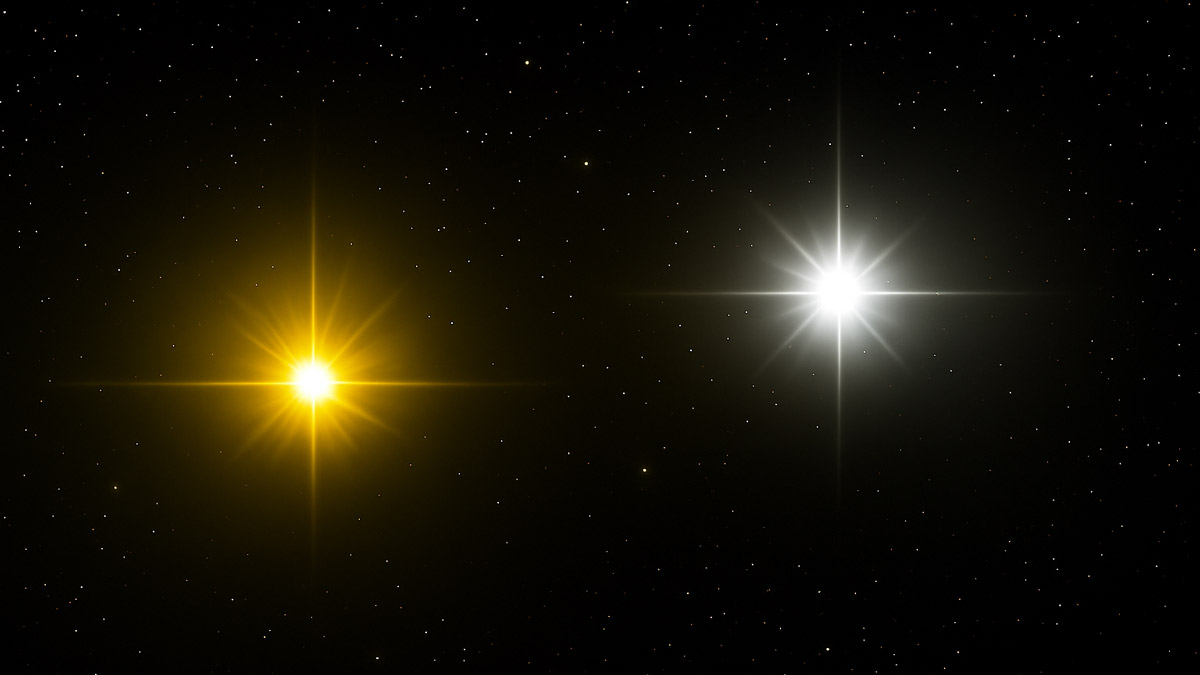
88 Leonis, also cataloged a Struve STF 1547, is a fairly bright binary star in the constellation Leo. This double star is a popular target in spring skies due to its brightness and wider 15.3 arc seconds of separation.
49 Leonis (TX Leo): A Tight Binary and Variable Star in Leo

49 Leonis, also cataloged as TX Leonis or Struve 1450, is a variable and binary star in the constellation Leo. It is a tight binary target.
Astronomy Books and Resources

A curated collection of favorite astronomy books, guides, and mobile apps for the backyard observer.
 The Garden Astronomer