
23 Orionis is a 4th magnitude double star in the Orion constellation best viewed on winter nights. Backyard astronomers under suburban skies should be able to split this nice white-blue pair with any scope or binoculars. Also designated as STF 696.
Author Archives: Wayne McGraw
Struve 958: A Tight Binary of Star Twins

Struve 958 is a binary star in the Lynx constellation, best viewed on winter nights. Both of the stars in Struve 958 shine a vibrant white at a magnitude of 6.3, making them perfect twins.
Struve 764: Two White-Gray Pinpoints in Auriga
Struve 764 is a double star in the Auriga constellation, best viewed on winter nights.
The pair of stars that make up STF 64 are both off-white in color and are easily separated in the sky with a telescope. The primary star is a off-white, while the secondary star is white but with a touch of alluring green. Systems i also known as SAO 77383.
Struve 698: A Colorful Pair of Orange and Blue
Struve 698 is a double star with several great attributes: it’s colorful, bright, and fairly wide apart. A great target for backyard astronomers on cold winter nights.
m Persei: A Bright, Wide Pair of Stars
m Persei, also known as 57 Per, appears in the constellation Perseus and is best viewed on autumn or winter nights. It’s a wide, bright double star easily viewable from the suburbs with a telescope or binoculars.
Omega Aurigae: A Close Yellow & Orange Double Star
Omega Aurigae is both a variable and double star in the Auriga constellation best viewed on winter nights. It has a faint and close secondary star, but the pair are viewable with a modest telescope from the suburbs.
Through the Skylight
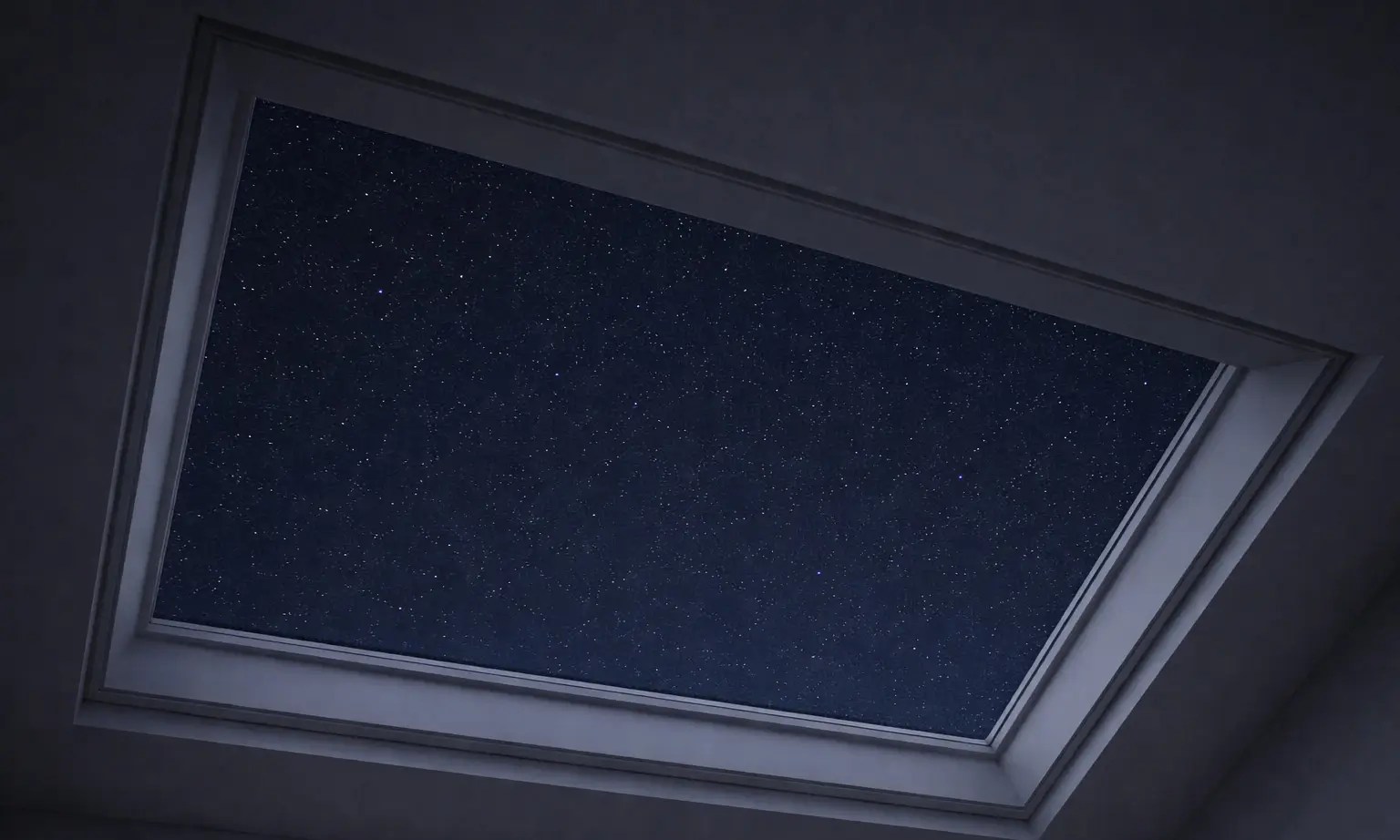
A backyard astronomer is reminded of the old adage “keep looking up,” even when clouds blanket the rich winter skies in the Pacific Northwest.
NGC 559 (Caldwell 8): A Small Flying V Cluster in Cassiopeia

NGC 559, also known as Caldwall 8, is a small, dim cluster in the constellation Cassiopeia. The cluster features 6-8 brighter stars, but at a total
 The Garden Astronomer