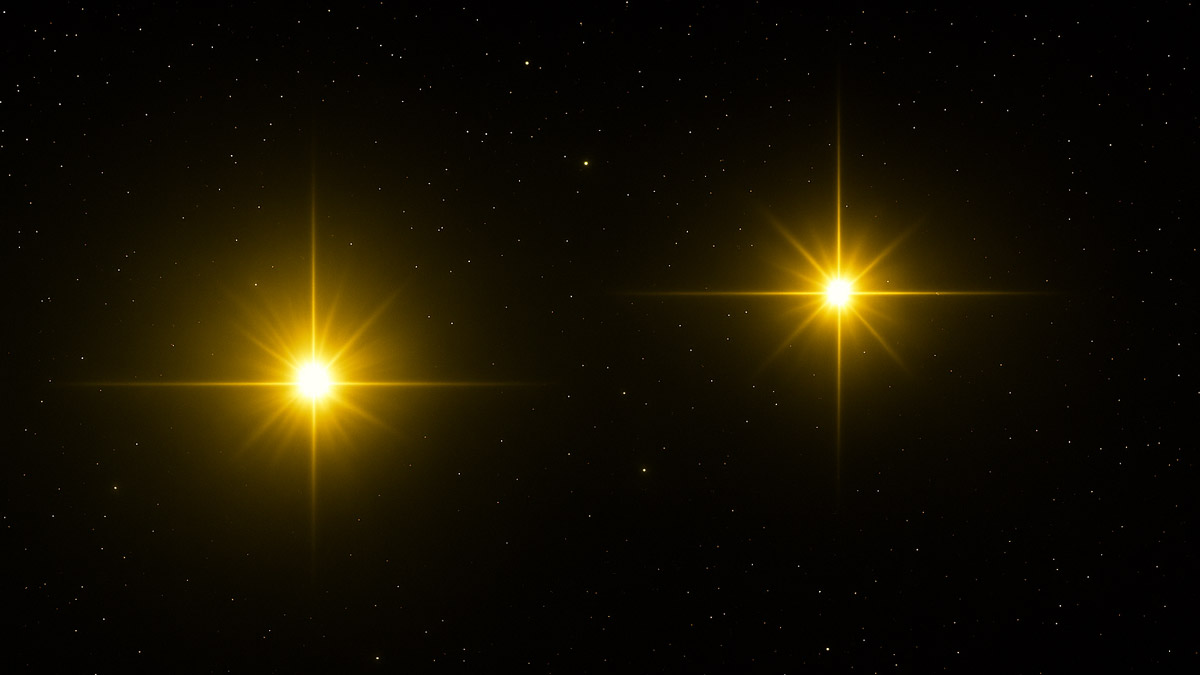
56 Andromedae is a 6th magnitude binary star in the Andromeda constellation best viewed on autumn nights. Backyard astronomers under suburban skies can view 56 And with binoculars because both stars and bright and wide apart.
Author Archives: Wayne McGraw
NGC 7789: Caroline’s Rose
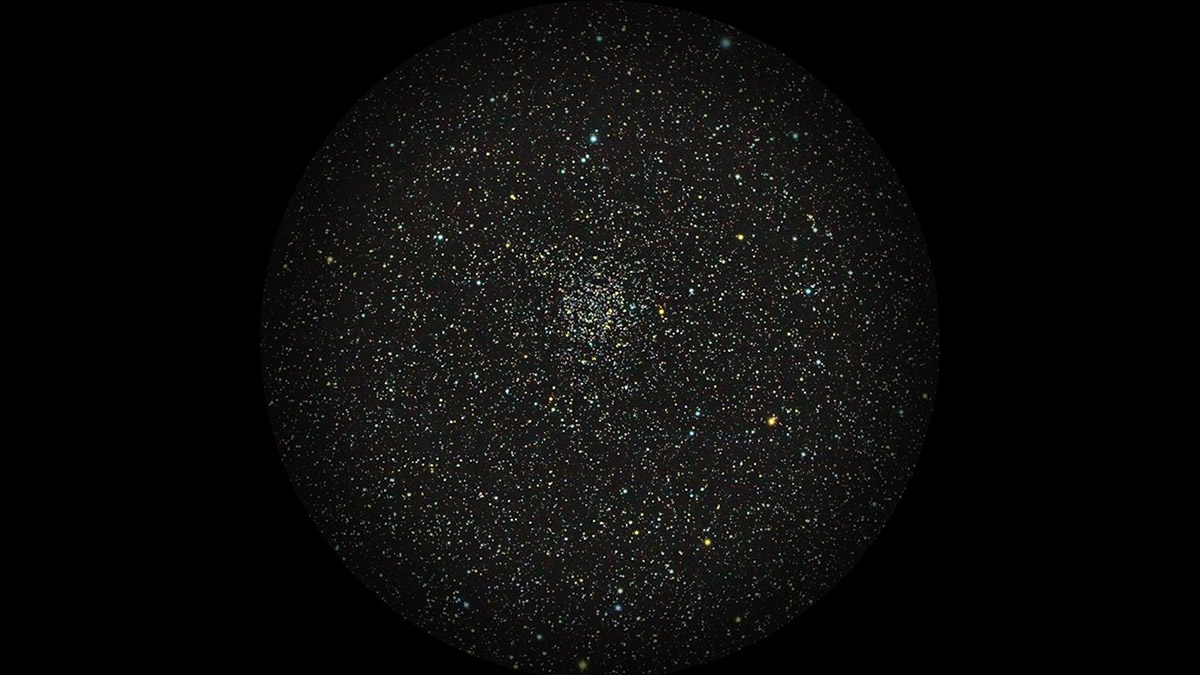
NGC 7789 is an open star cluster in the constellation of Cassiopeia. It’s also known as Caroline’s Rose or the White Rose Cluster. It’s best viewed on autumn nights. With a rather bright magnitude of 6.7, it’s hard to believe Charles Messier didn’t catalog this large and dense cluster. Thankfully, in 1783, Caroline Herschel recorded this splendid object.
HD 190466: A Deep Cherry Red Treat in Cygnus
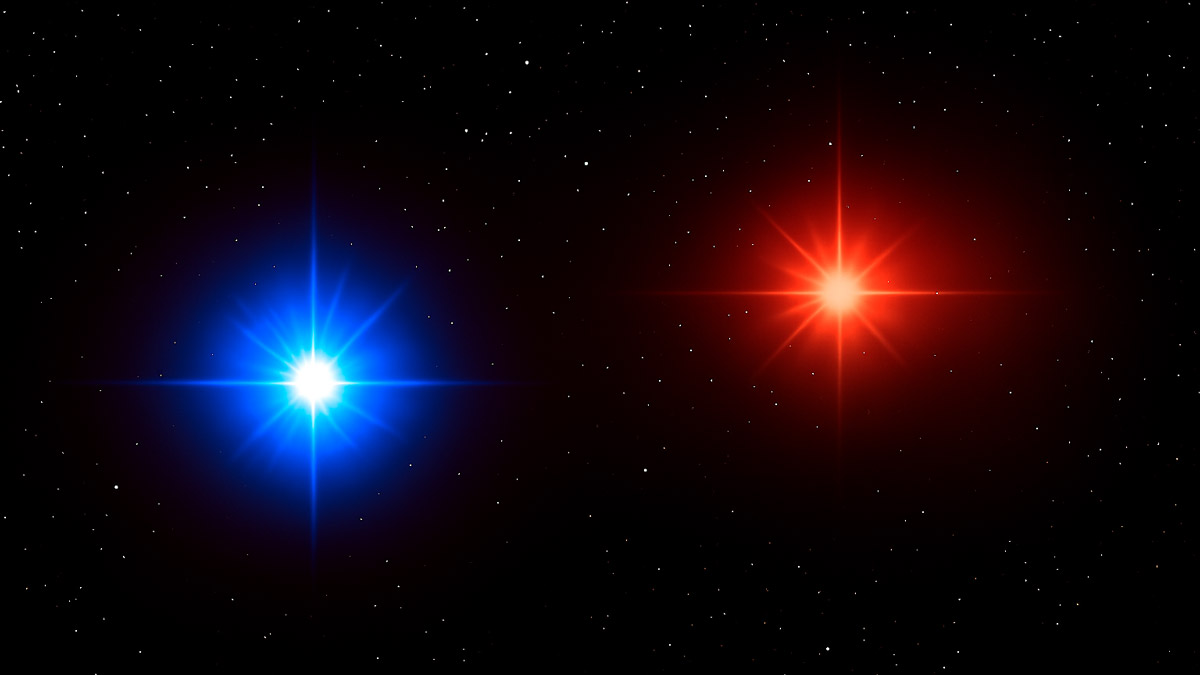
HD 190466, also known as Herschel 1470 (HJ 1470), is a variable double star in the constellation Cygnus.It has a pretty cherry red hue and is part of the Chapel Arch viewable from the suburban locations.
Zeta Persei: A Blowtorch with Several Companions
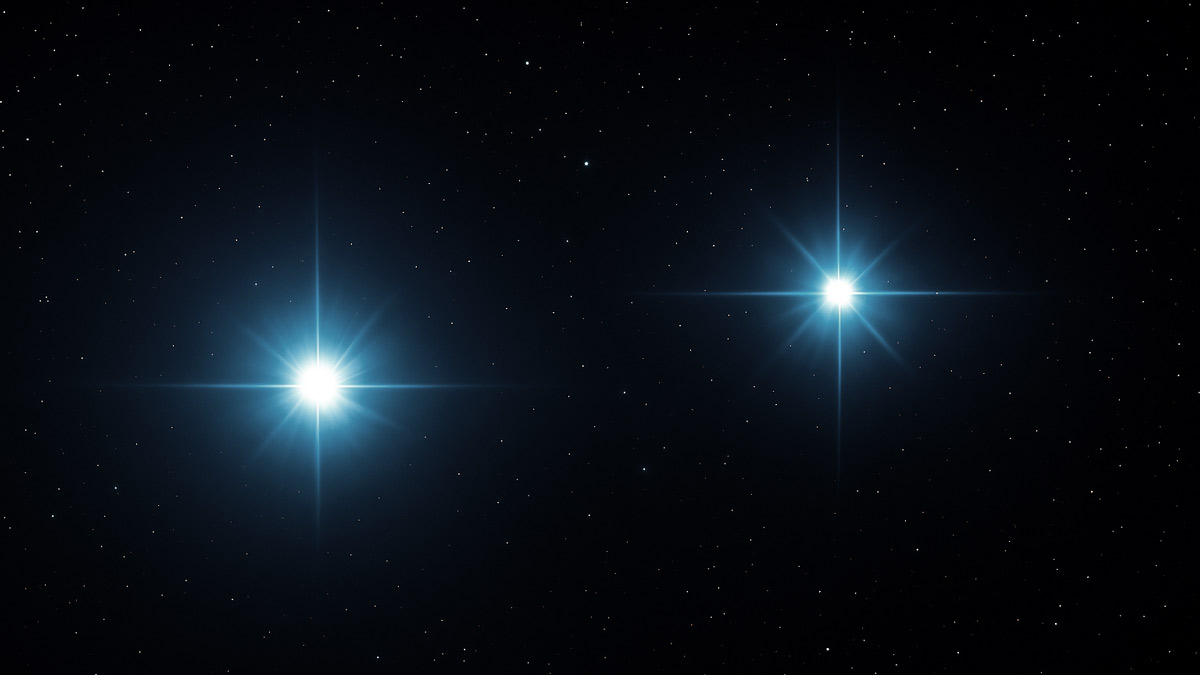
Zeta Persei (ζ Persei) is a multiple-star system in the constellation Perseus. Backyard astronomers can enjoy this tight pair of stars on autumn and winter nights.
The supergiant, hot star burns 47,000 time that of our sun and is huge at 26 times the size of our sun!
It will eventually meets its fate exploding as a supernova.
NGC 869 and 884: The Famous Sparkling Double Cluster
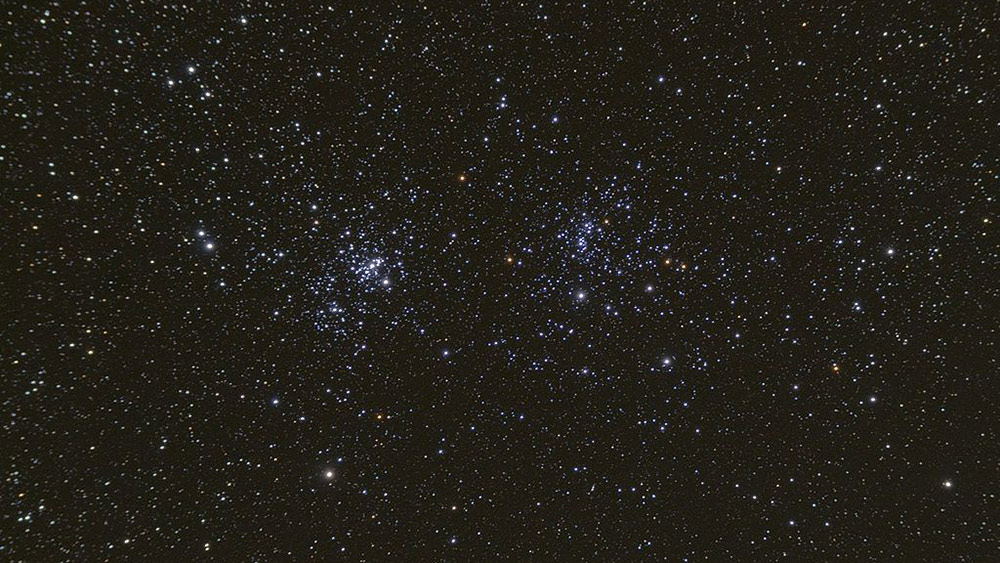
NGC 869 along with NGC 884 create a breathtaking cluster of stars floating in the constellation of Perseus. Like diamonds sparkling in a dark room, the Double Cluster lights up the autumn sky as it spreads itself as wide as new full moons.
Palomar Observatory

Learn about the Palomar Observatory and the Hale Telescope. Article includes original photos and video from a personal visit in 2018.
NGC 7160: An Alligator Swims through Cepheus

NGC 7160 is a small, yet bright open cluster in the constellation Cepheus. With a magnitude of 6, backyard astronomers can view it with binoculars, though a telescope will be better.
NGC 7281: Open Star Cluster with a Belt in Cepheus
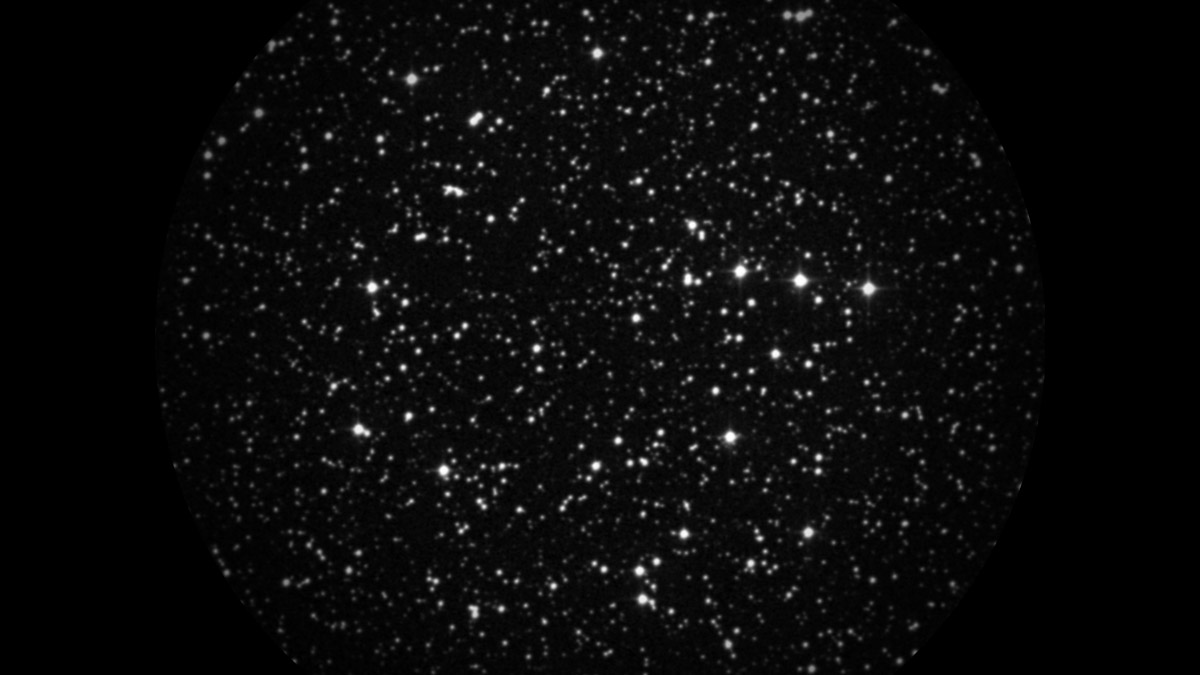
NGC 7281, an open cluster in Cepheus, shines on autumn nights. Look for its 20+ stars, including three bright ones forming a helpful line for observers.
 The Garden Astronomer