
HD 210884, also known as HIP 109474 or STF 2883, is a double star in the constellation Cepheus. It’s best viewed on autumn nights.
Author Archives: Wayne McGraw
Messier 32 (NGC 221): Le Gentil—A Galaxy in our Neighborhood

Messier 32 (M32, NGC 221), is a dwarf elliptical galaxy best viewed in the fall. It lies in the Andromeda constellation.
Kappa Delphini: A Deceiving Triple Star System
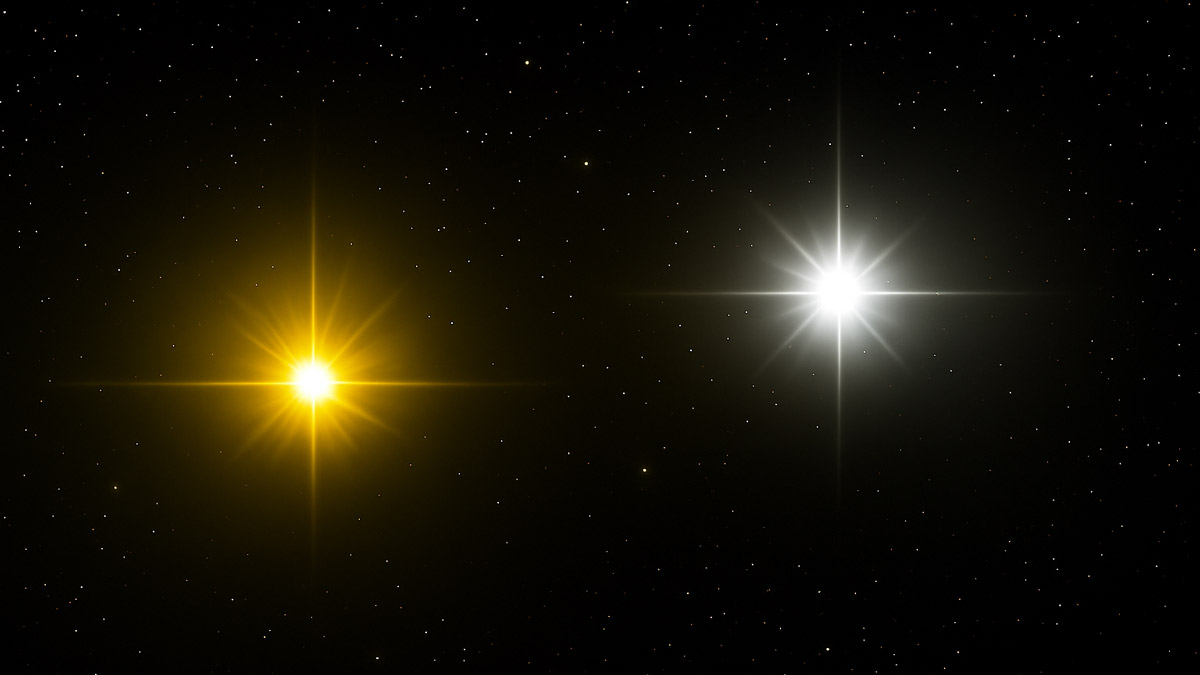
Discover Kappa Delphini in Delphinus—a fascinating triple star system with a bright primary and companions, perfect for summer backyard stargazing.
NGC 7331 (Caldwell 30): The Milky Way’s Twin

NGC 7331, also known as Caldwell 30, is a non-barred spiral galaxy in the constellation Pegasus, best viewed during autumn. One can make out the distant cousin as a smudge in smaller scopes.
NGC 7662: The Blue Snowball Nebula
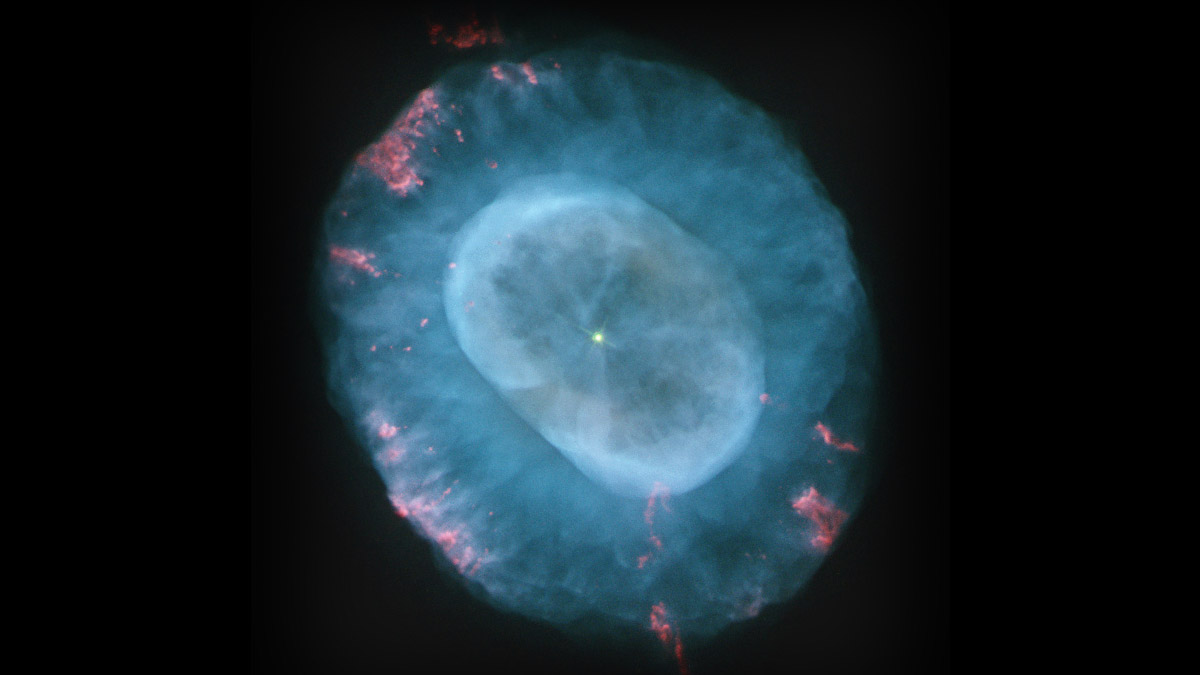
NGC 7662, also known as the blue snowball nebula, is a bright planetary nebula in the andromeda constellation. It’s a good target for the casual backyard observer with a small telescope as it breaks through the light pollution pretty well for a nebula.
Delta Cephei: Astronomy’s Royal Gem Fit for a King
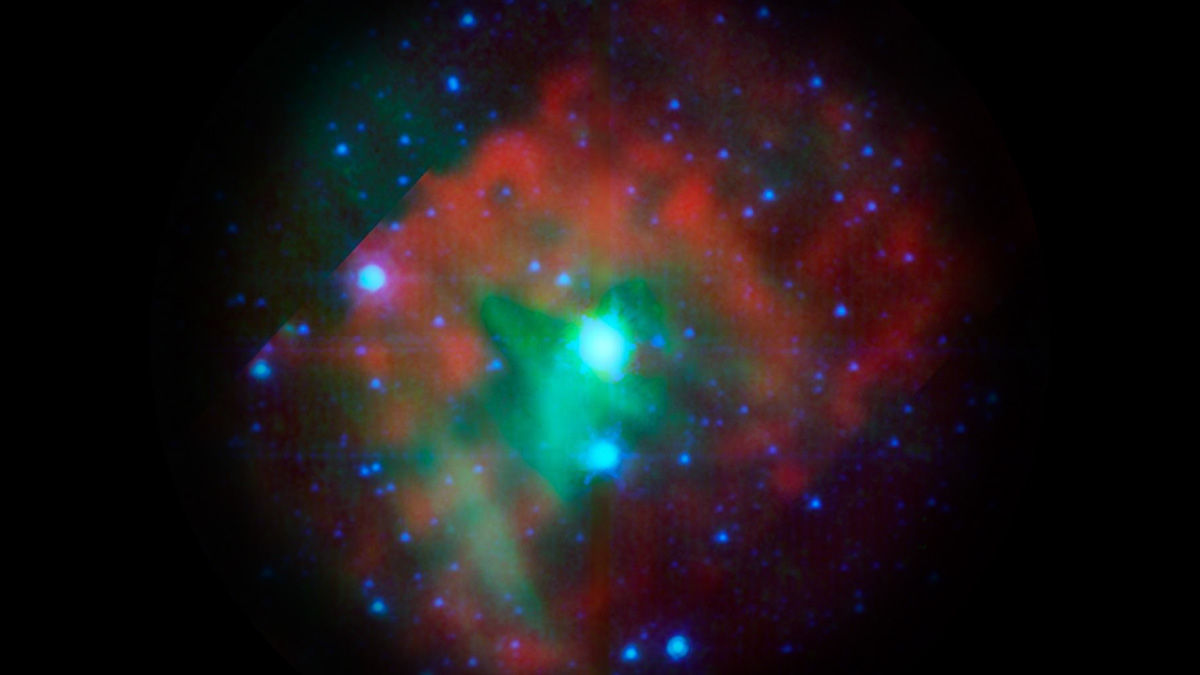
The variable star Delta Cephei lies in the constellation Cepheus and is a one of the most important and historical stars in astronomy. Delta Cep makes the basis for all Cepheids, which Henrietta Leavitt discoveed that their luminosities are directly related to their periods of pulsation. This led to our being able to measure greater distances starting when Edwin Hubble uncovered the distance to the Andromeda Galaxy after finding a Cepheid in the galaxy.
NGC 7009: The Saturn Nebula

The Saturn Nebula, also known as Caldwell 55, is a planetary nebula viewable in the northern night sky in autumn in constellation Aquarius. Even though dim nebulas like NGC 7009 can be challenging to view in suburban backyards because of light pollution, astronomers should not loose heart. This nebula is pretty easy to spot on a moonless night with a smaller telescope. It will appear light-blue or green and as a small smudge in the scope.
Eta Lyrae (Aladfar): A Massive, Luminous Binary Star

Eta Lyrae is both a variable and binary star in the constellation Lyra. The traditional name for the star is Aladfar, which is Arabic for the talons of a swooping eagle. You can view the binary from suburban skies with a smaller to medium sized telescope.
 The Garden Astronomer