
NGC 2281 is an open star cluster in the constellation of Auriga. It’s best viewed during the late winter months into early spring. You see the central stars make a diamond shape. Also, one will notice a mix of red and blue stars, which makes this relatively unknown cluster of 30-40 stars a worthy find.ContinueContinue reading “NGC 2281: A Diamond in Auriga”
Author Archives: Wayne McGraw
Messier 35 (NGC 2168): A Young Cluster the Size of the Moon in Gemini

Messier 35, also known by the name the Show-buckle Cluster, is an open cluster in the constellation of Gemini. It’s best viewed in the winter months. With at least a pair of binoculars, most stargazers, including those living with urban light pollution, will be able to enjoy M35. The cluster is spread out. It takesContinueContinue reading “Messier 35 (NGC 2168): A Young Cluster the Size of the Moon in Gemini”
Messier 38 (NGC 1912): A Starfish Floating in an Ocean of Sky

Messier 38 is one of several beautiful and bright star clusters in the constellation Auriga. It’s also know as the Starfish Cluster as lines of brighter stars stretch out from the center.
Uranus: On Seeing the Planet for the First Time

There it was—Uranus—no longer a point of light but a small disc colored pale green. It seemed to float among the dim stars.
Messier 45: Seven Diamonds in a Winter Mist

Messier 45 is an open star cluster in the constellation Taurus. It’s best viewed in winter and early spring. Also known as the Pleiades, or Seven Sisters, M45 is one of the nearest clusters to Earth and one of the brightest and most recognizable objects in the night sky, even from brighter suburban skies.
Almach: Binary Star Jewel in the Heavens
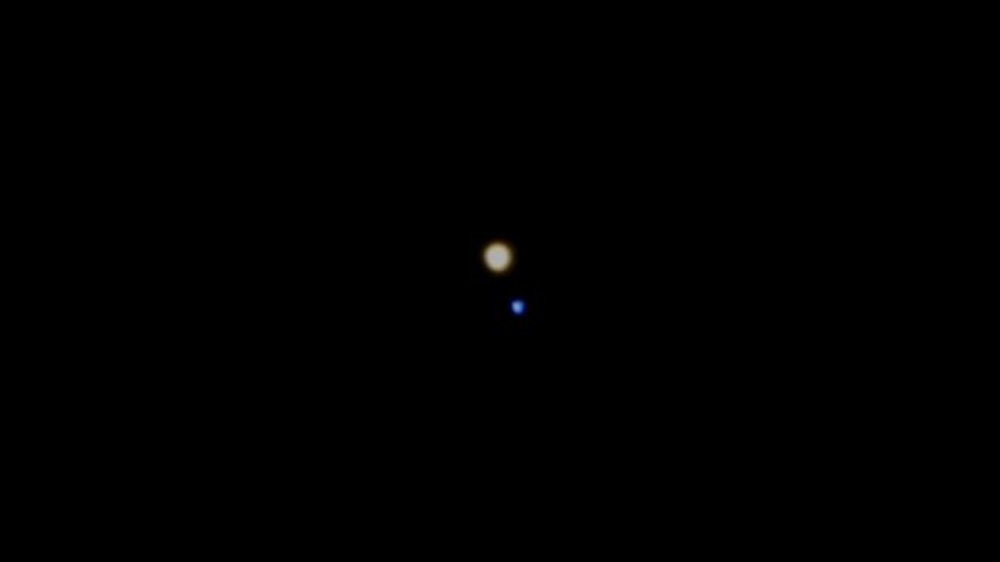
This pair truly rivals the stunning Alberio double! In fact, I may like this double even more. The color contrast showing through my scope tonight is remarkable.
IC 1396: The Elephant Trunk Nebula in Cepheus

IC 1396 is an open star cluster in the constellation Cepheus, which is part of large emission nebula in the region. It’s best viewed during the autumn. The region makes for stunning astrophotography as demonstrated by this photo posted on NASA’s site. Struve 2816 (a triple star system) and Struve 2819 (a double star systemContinueContinue reading “IC 1396: The Elephant Trunk Nebula in Cepheus”
Gamma Delphini: A Pretty Double Star in Delphinus
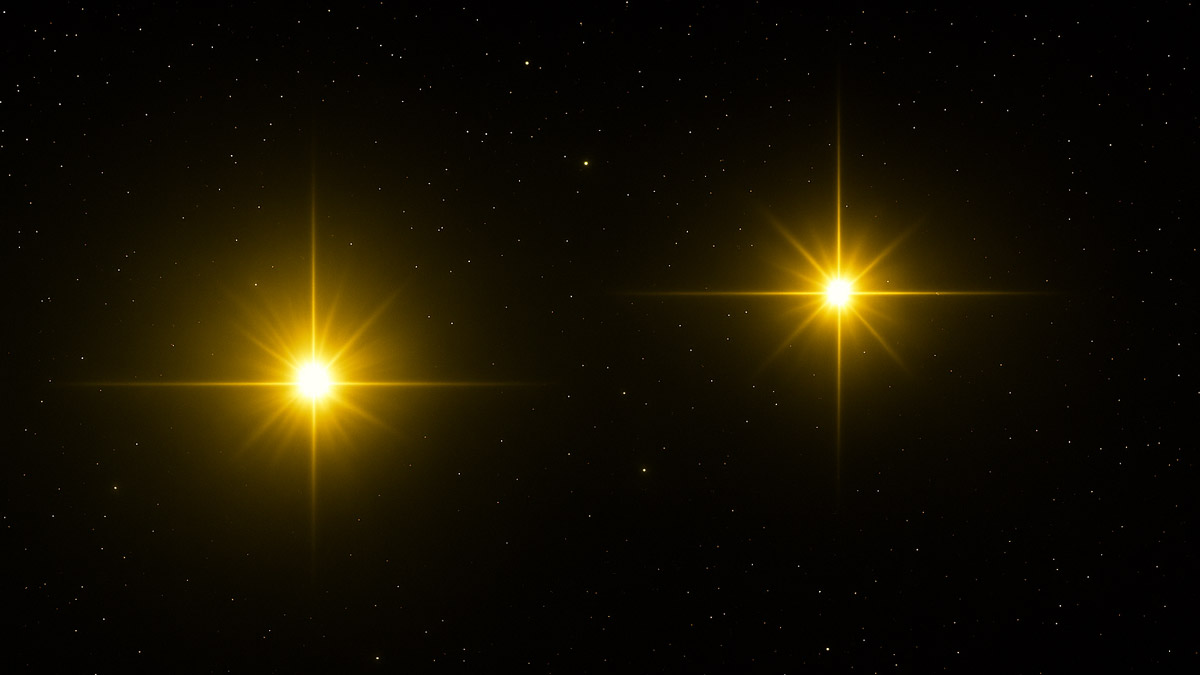
Gamma Delphini is a double star system in the constellation Delphinus. It’s best viewed in summer and early autumn. While not as famous or startling as the double star Albireo, Gamma Delphini is a worthy binary not to be missed, as the double stars Gamma-1 and Gamma-2 make a colorful pair. In my case, IContinueContinue reading “Gamma Delphini: A Pretty Double Star in Delphinus”
 The Garden Astronomer