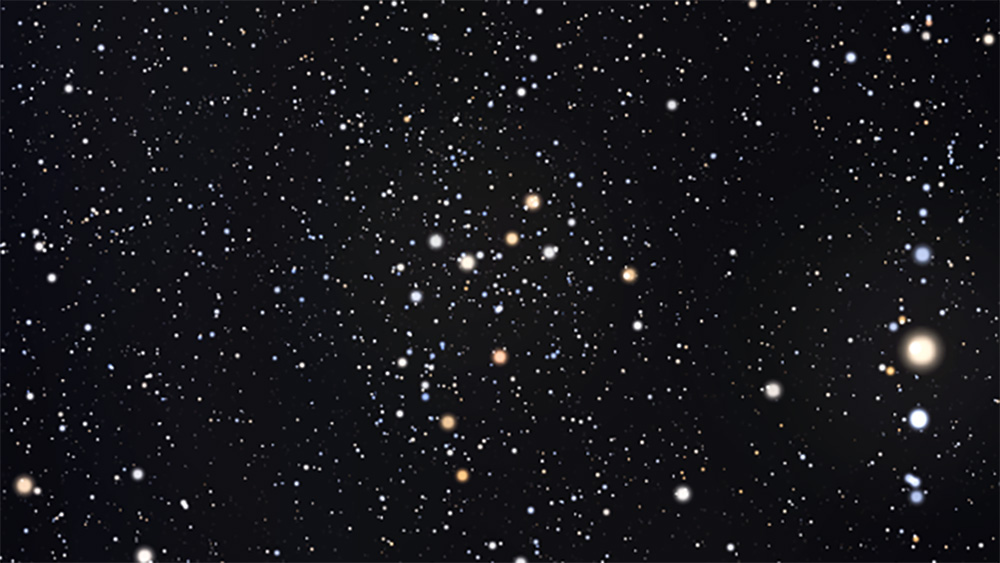
NGC 6664 is an open cluster in the constellation Scutum. It’s best viewed in late summer and early autumn. William Herschel discovered on June 16, 1784. This 7th magnitude cluster is almost 4000 light years away from us. While fairly dim under suburban skies, you can enjoy it with most telescopes. My Observations September 6,ContinueContinue reading “NGC 6664: A Faint Letter “M” Cluster in Scutum”
Author Archives: Wayne McGraw
Messier 29 (NGC 6913): A Petite Pretty Star Cluster in Cygnus
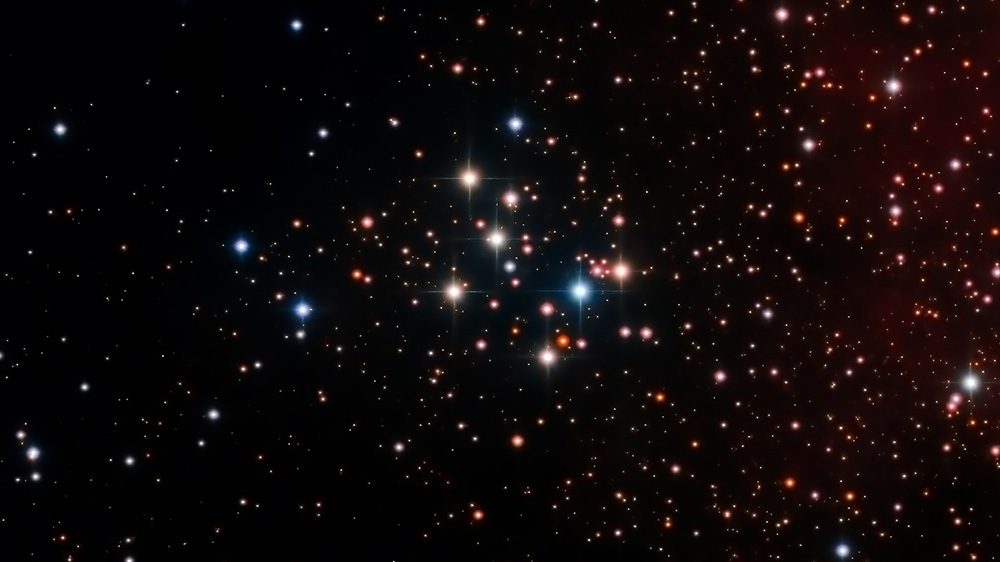
Messier 29, also known as NGC 6913, is an open cluster in Cygnus, which was first discovered by Charles Messier in 1764. It’s known as a course cluster and is located near Gamma Cygni.
NGC 6910: A Cluster With Streams of Stars
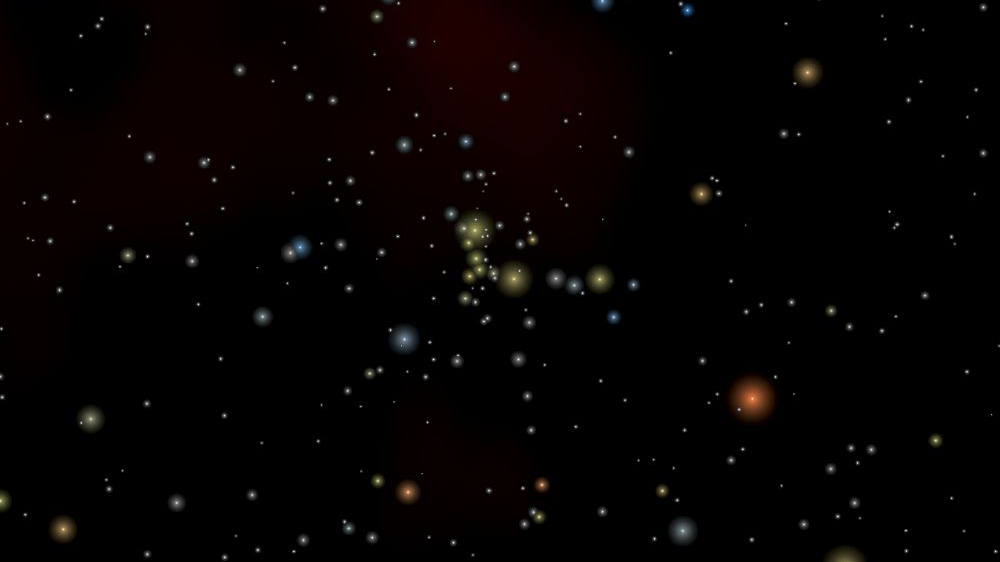
NGC 6910 is a young open star cluster in Cygnus best viewed in summer through autumn. A number of small stars stream from the center.
Messier 57 (NGC 6720): The Ring Nebula
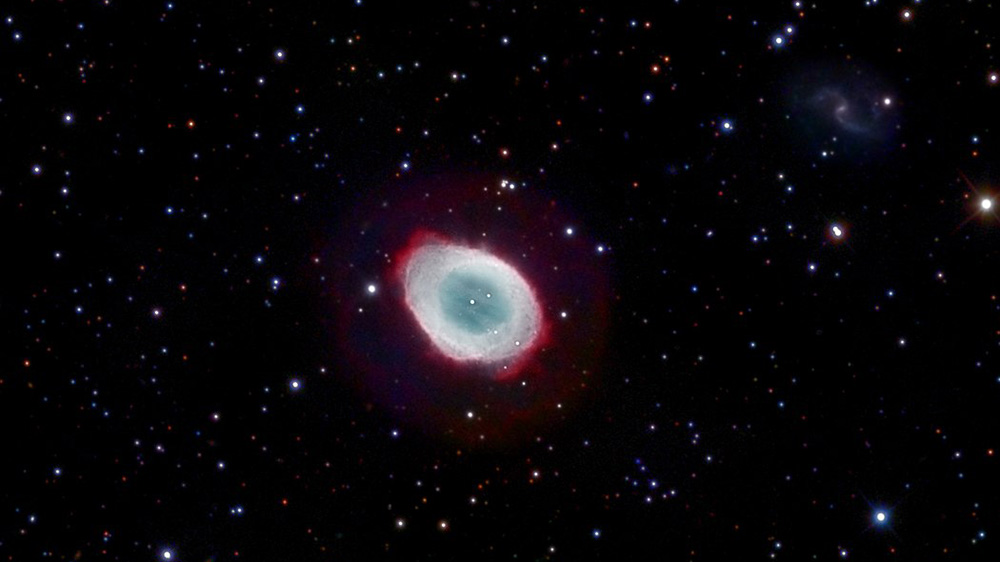
Messier 57, the Ring Nebula in Lyra, is a bright planetary nebula of gas and dust surrounding a dying star—perfect for backyard observing.
Messier 13 (NGC 6205): A Brilliant Globular Cluster in Hercules

Messier 13 made history in 1974 when astronomers broadcast a message toward this awesome globular cluster, hoping that exterrestrial ears might hear the signal.
Messier 4 (NGC 6121): A Brilliant Southern Summer Cluster

Messier 4 (M4) is a brilliant globular cluster in the constellation of Scorpius, which is best viewed in summer.
At approximately 5,500 light-years away, M4 is one of the nearest globulars to Earth and one of the brightest in the night sky.
Comet Neowise (C/2020 F3)
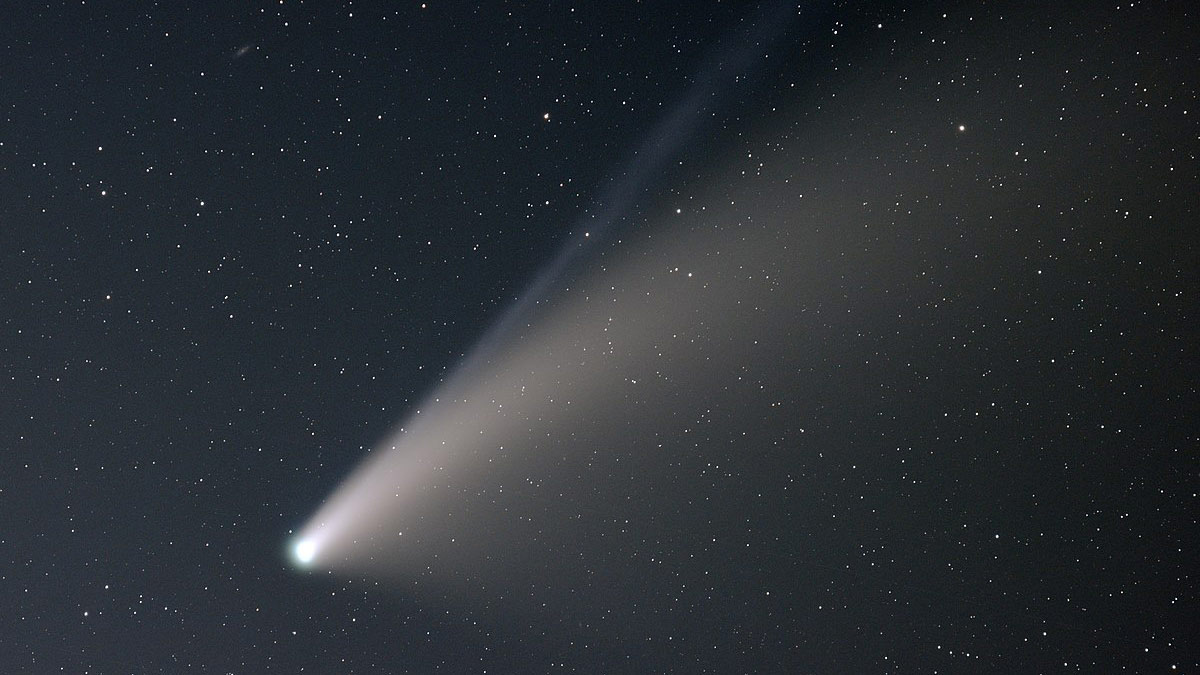
I’m forever grateful for comet Neowise as it offered a brief summertime reprieve from the darkened days of 2020.
Messier 5 (NGC 5904): A Glorious Globular and Summertime Rose
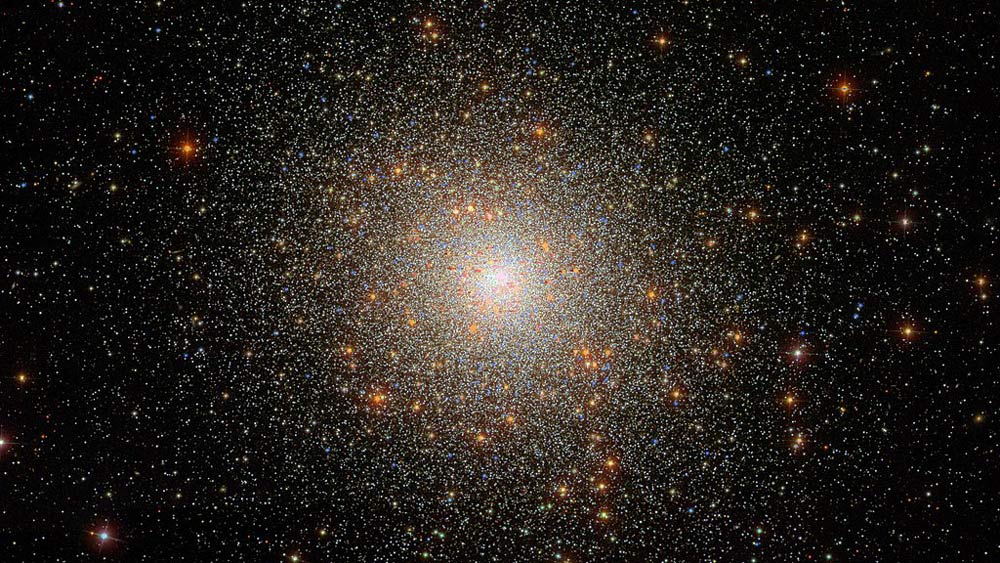
On the night of May 5, 1702, Gottfried Kirch was comet hunting with his wife Maria when they discovered a “nebulous star” in the constellation of Serpens. The Kirches stumbled upon this cluster — one of the largest, brightest, and oldest in the heavens
 The Garden Astronomer