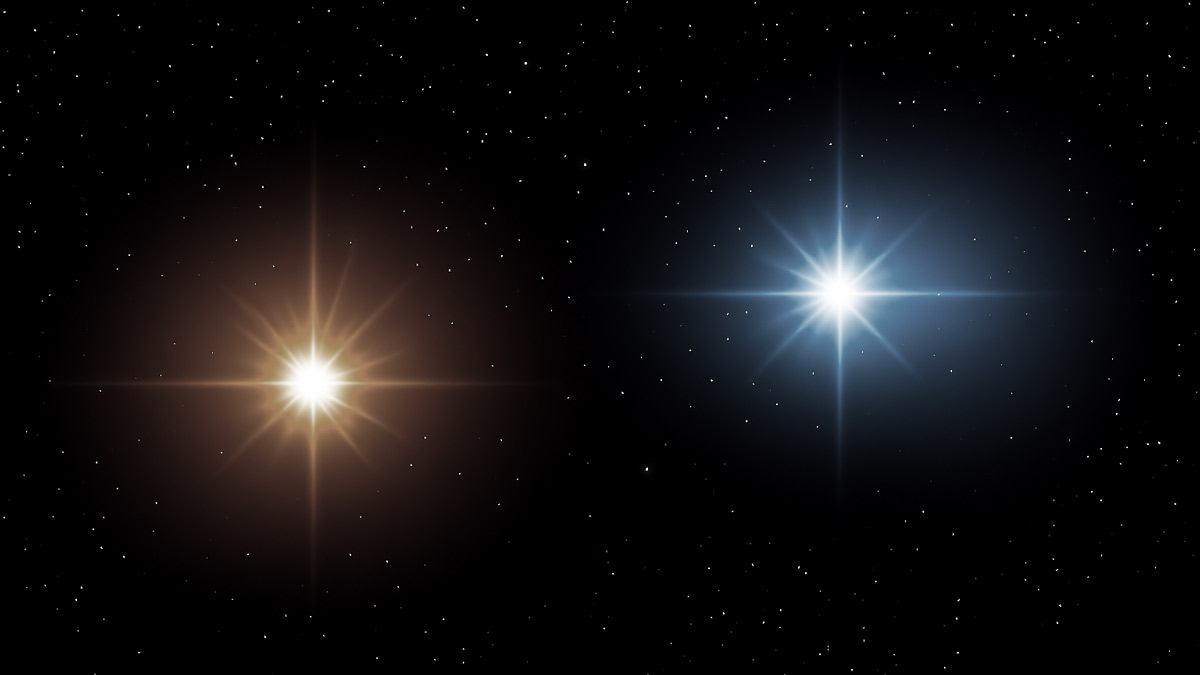
Struve 2007 (STF 2007) is a double star in Serpens Caput, first documented in 1823. The closer AB pair features a yellowish-white primary and a blue secondary, while an AC component forms a wider triple. It's visually appealing and accessible for telescopic observation, particularly noted for its striking colors and separation. Also known as SAO 101922, HD 144563, HIP 78873, STF 2007.
Struve 1931: Exploring the White Binary Star in Serpens
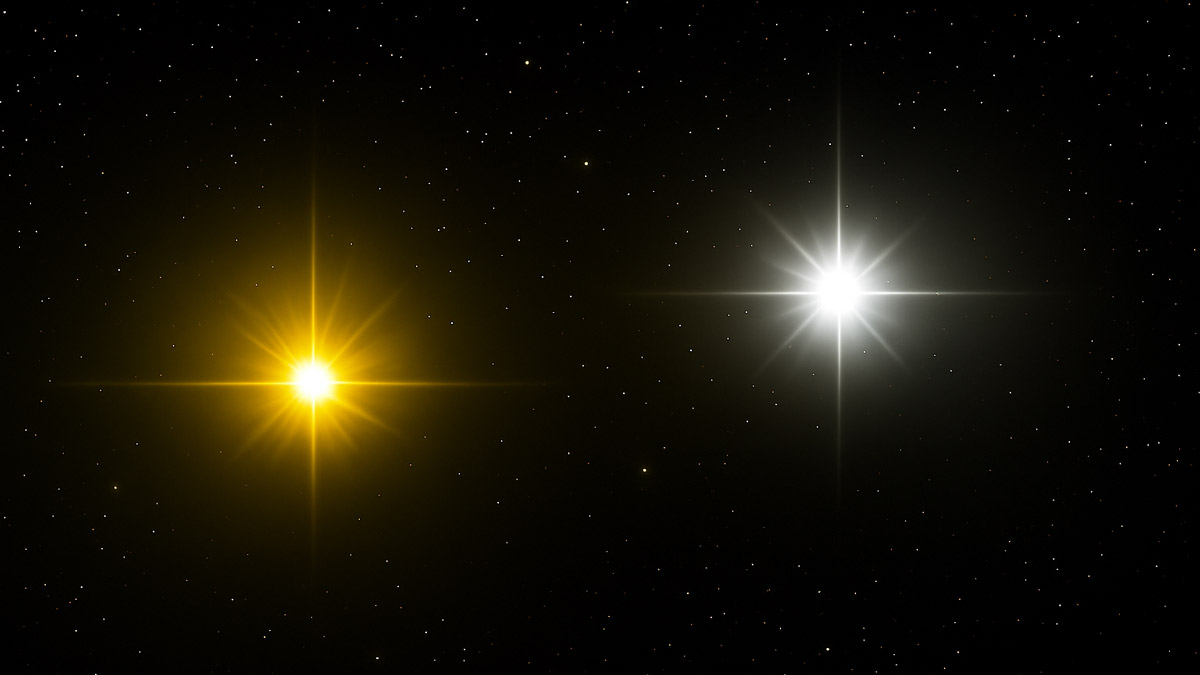
Struve 1931, situated in the Serpens constellation, is a binary star system ideal for mid-northern observations during spring and summer. With magnitudes of 7.2 and 8.0, it's visible through small telescopes. The primary is an F7V star, while the secondary is a G3V star, displaying a striking color contrast.
NGC 1758: A Hidden Gem in Taurus’ Starry Landscape

NGC 1758 is a lesser-known open star cluster in the constellation Taurus. Discovered by William Herschel in 1785, it is approximately 700 million years old. Though not visible to the naked eye, it provides valuable insights into stellar evolution. Its proximity to NGC 1750 poses observational challenges.
NGC 253: A Starburst Galaxy in Sculptor
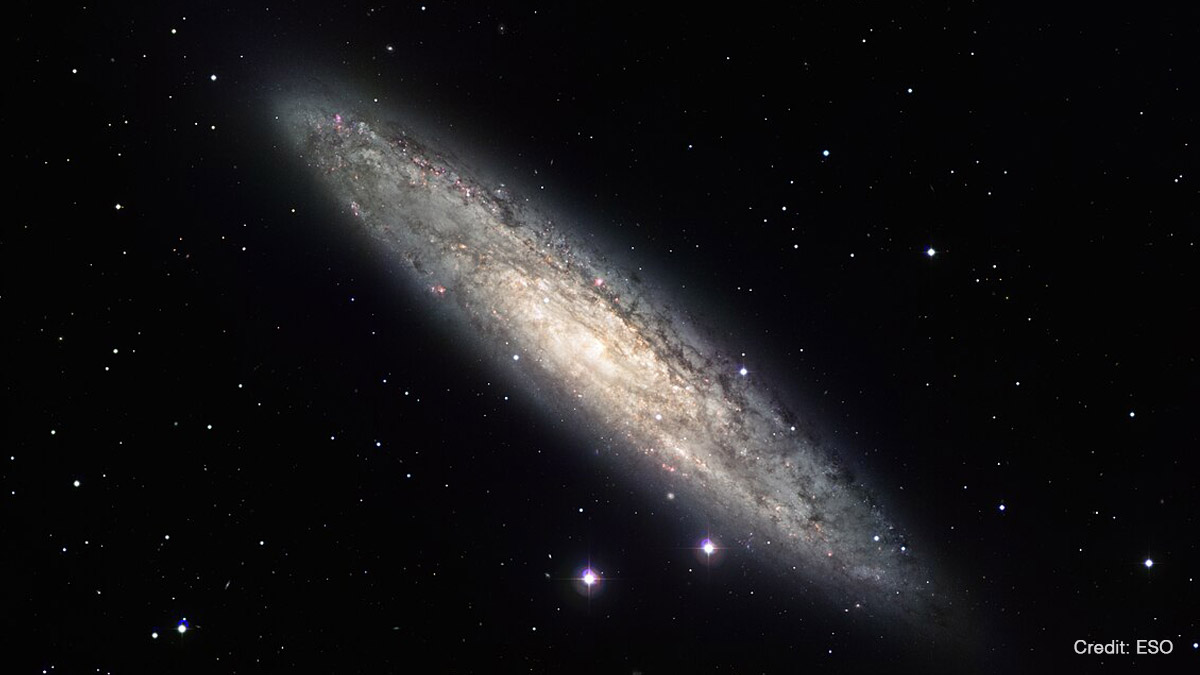
The Silver Coin Galaxy, or NGC 253, located 11.4 million light-years away in the constellation Sculptor, is a prominent starburst galaxy notable for its intense star formation. Discovered by Caroline Herschel in 1783, it captivates astronomers and stargazers alike, showcasing dynamic stellar activity and vibrant colors through advanced imaging techniques.
NGC 4565: The Needle Galaxy
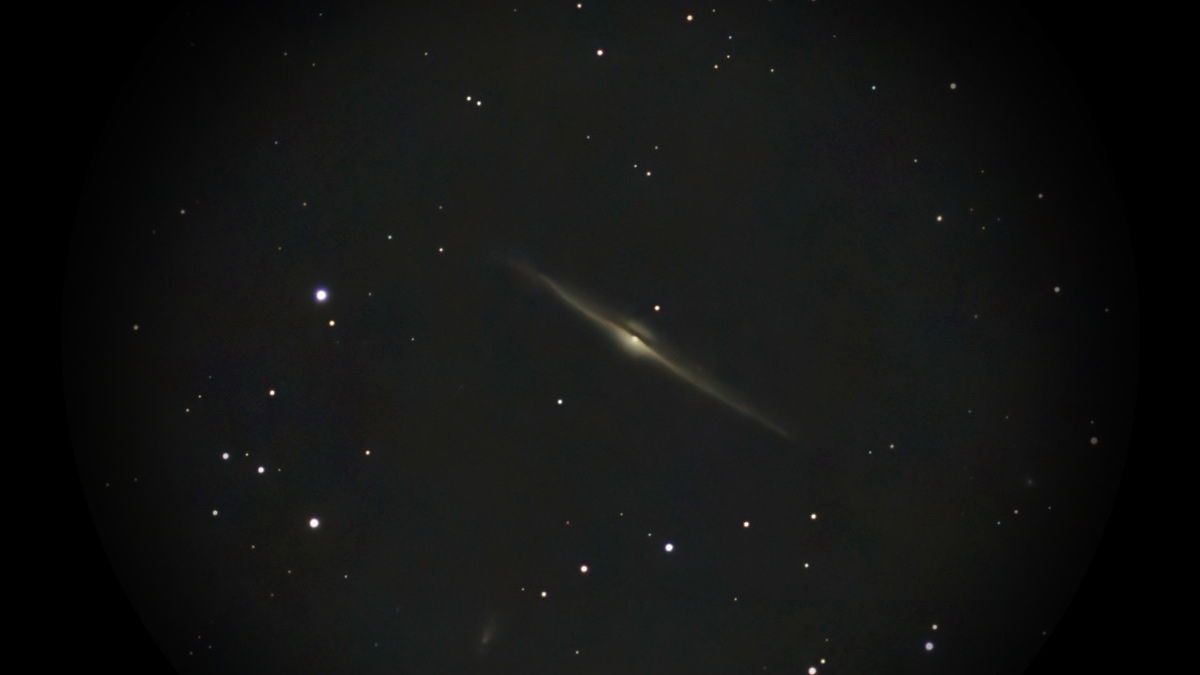
The post discusses the Needle Galaxy (NGC 4565) located in the Coma Berenices constellation, notable for its thin, edge-on spiral structure. It features a sketch of the galaxy as it appears through a telescope along with a photo from a Seestar S50. Also known as Caldwell 38 (C38). The article also mentions and shows NGC 4562 nearby.
A Hole in the Desert: My Trip to the Barringer Crater

Journey to Arizona’s Barringer Crater to trace the impact of a 50,000-year-old meteorite and explore the raw, ancient power of a cosmic collision.
HD 118266: An Attractive Orange and Dim Blue Binary in Virgo
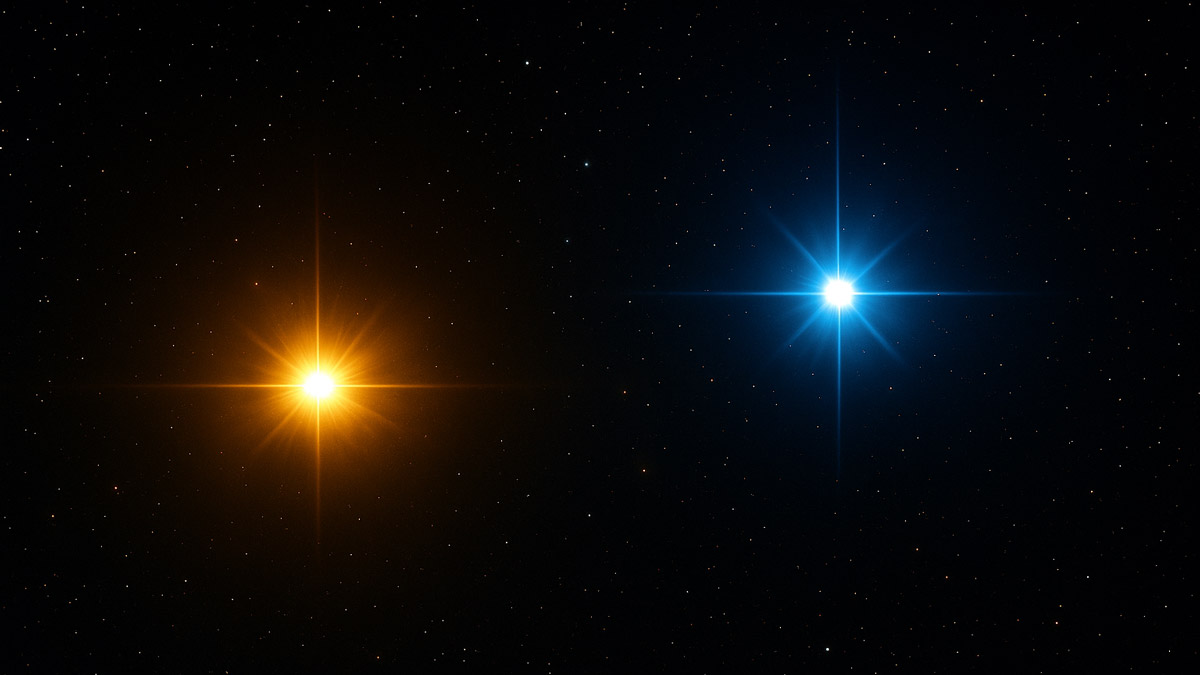
Learn about the pretty double star HD 118266 in the constellation Virgo viewed on spring nights. The star also known as HJ 228, is a binary star that has a orange primary and a dimmer blue companion that lies far apart enough for smaller scopes to observe. It's also known as SAO 100630, HIP 66326, HR 5114.
Graffias (Beta Scorpii): A White and Baby Blue Pair in Scorpius
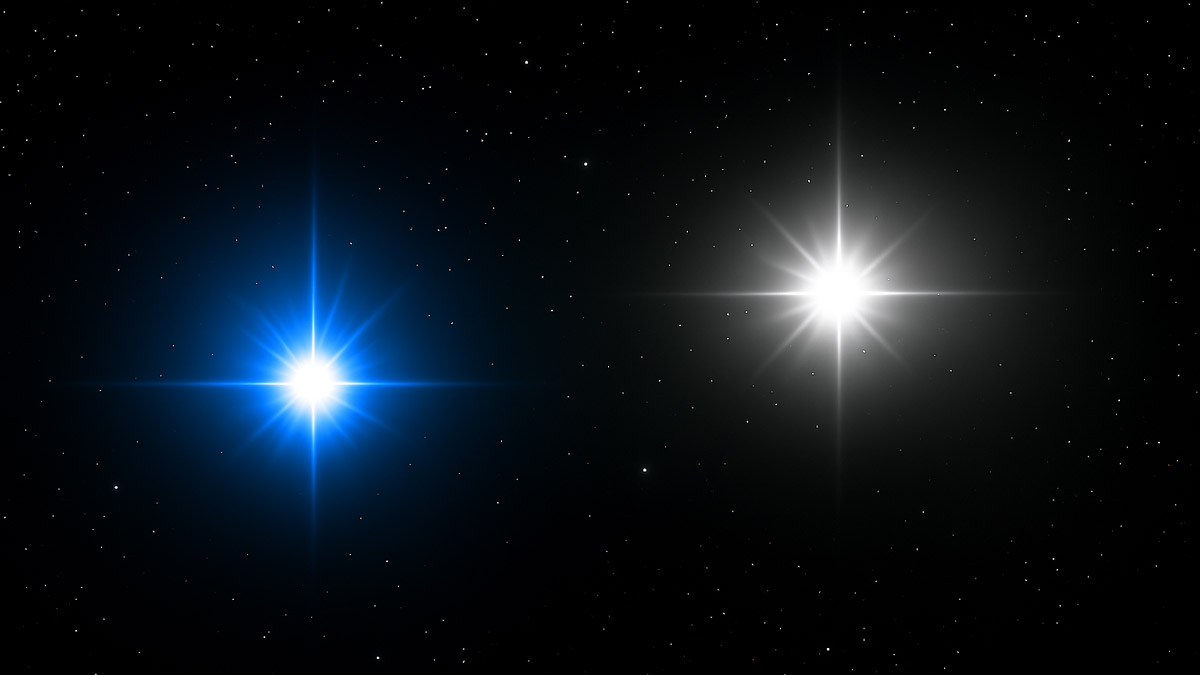
Learn about the pretty double star Graffias (Beta Scorpii) in the constellation Scorpius viewed on summer nights and popular with astronomers. The star also known as Acrab is viewed with the naked eye and a moderate telescope resolves a double star of blue and white. The star is also designated by the following names: 8 Sco, Elacrab, HD 144217, HIP 78820, HR 5984, Bet1 Sco, Grafias, SAO 159682
 The Garden Astronomer