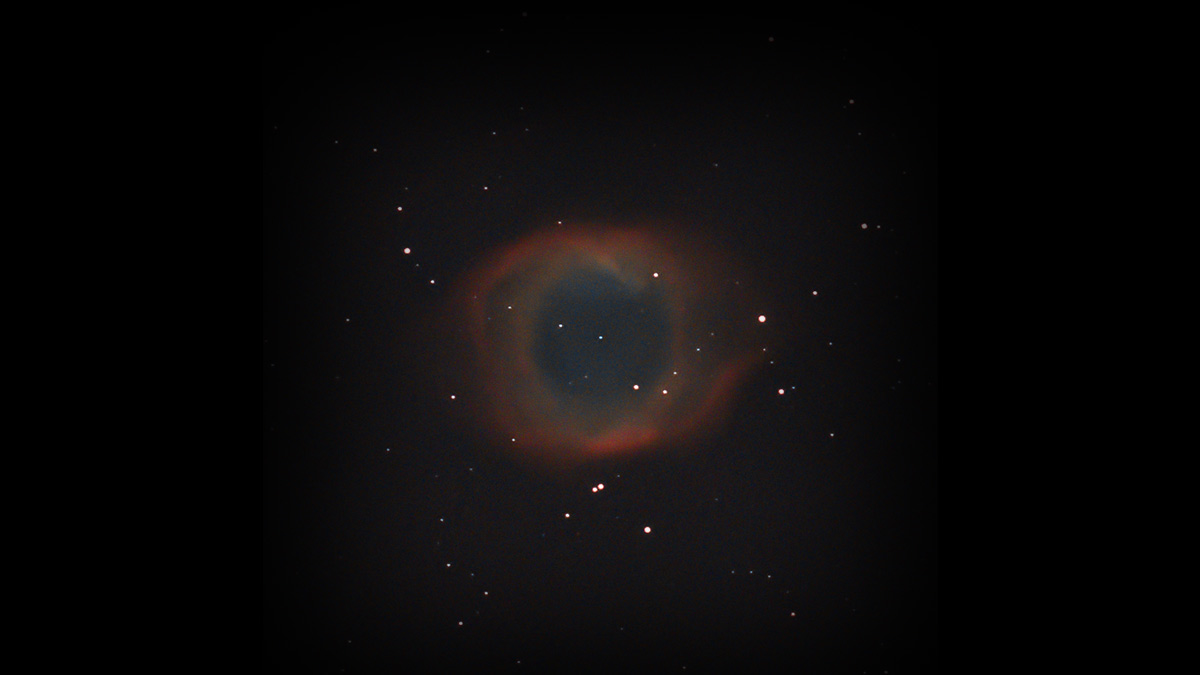
In late summer and autumn, the constellation Aquarius, known as the Water Bearer, is prominent in the southern skies of the Northern Hemisphere. Among its features is the Helix Nebula, one of the closest planetary nebulae to Earth. It's also known as NGC 7293, Caldwell 63, Arp 336.
Comet Tsuchinshan-ATLAS Graces Autumn Skies

This comet, first discovered by astronomers from the Tsuchinshan Observatory in China and the ATLAS survey in Hawaii, promised to be one of the brightest comets since Neowise. And sure enough, it actually got a little brighter than Neowise.
59 Cygni: A Vibrant Blue-White Multiple Star

The constellation Cygnus, the swan, has its fair share of double stars, including the magnificent Albireo. The multiple star 59 Cygni joins this family of stars and is viewable during summer and autumn. The primary is a vibrant blue-white color. The binary is also known as 59 Cyg, STF 2743, V832 Cyg, HR 8047, SAO 50335, HD 200120.
Stephan’s Quintet: Visiting George Bailey’s Angels in It’s a Wonderul Life

Learn about the celestial "angels" of It's a Wonderful Life through the galaxies of Stephan’s Quintet in this personal reflection on cosmic wonder.
Struve 2443: A Fine White Binary in Aquila
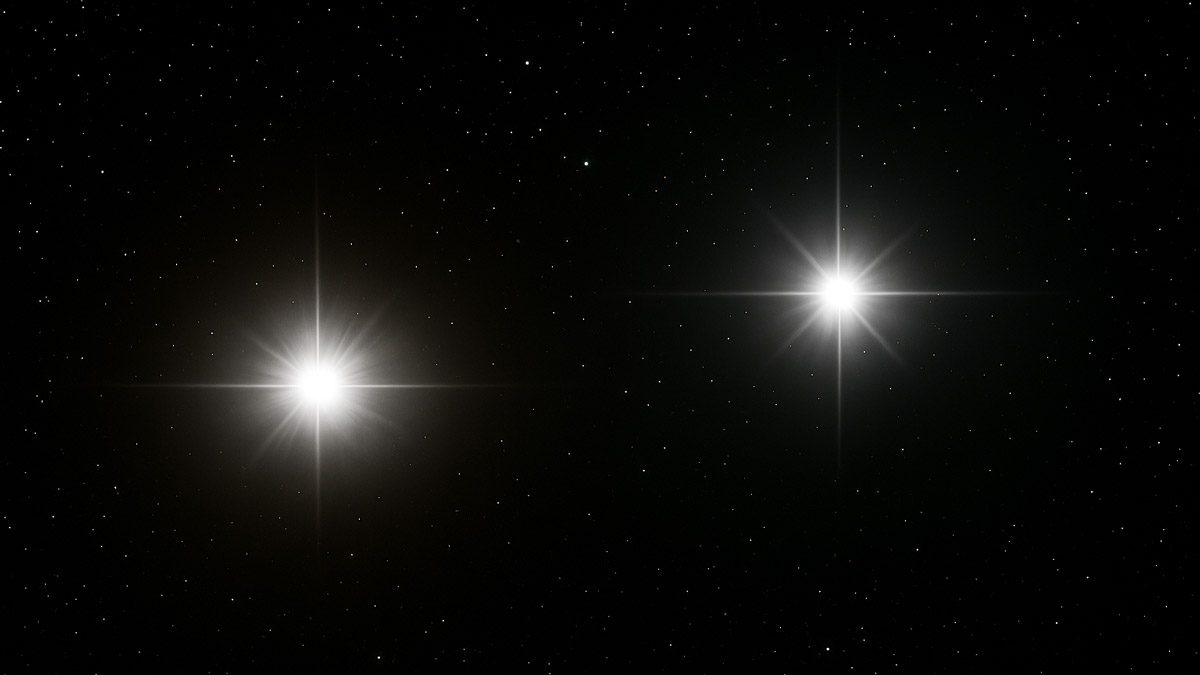
Backyard astronomers can spot the binary star Struve 2446 in the constellation Aquila during late summer and early autumn nights. Cataloged by Friedrich von Struve in 1825, the pair is visible under dark conditions. Struve 2446 A appears pale yellow while Struve 2446 B is fainter, offering a rewarding telescope experience. The pair are also cataloged as SAO 104432, HIP 93635, HD 177434, STF 2443, Struve 2443.
Struve 2446: A Quaint Yellow and White Binary in Aquila
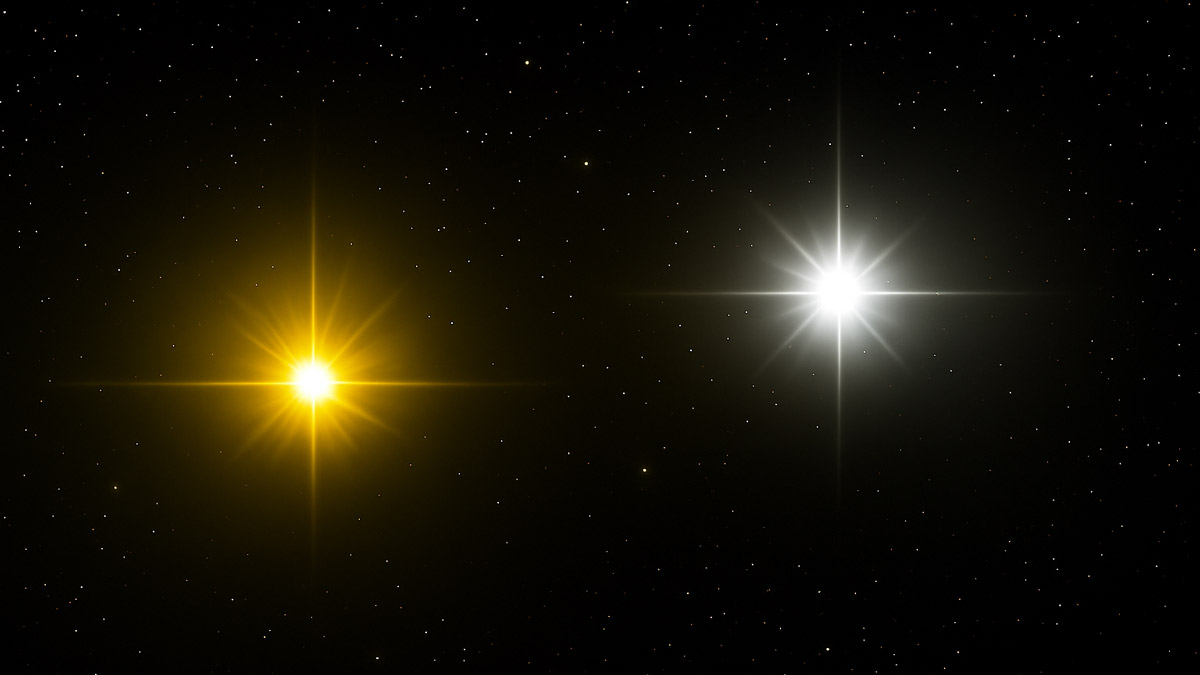
Backyard astronomers can spot the binary star Struve 2446 in the constellation Aquila during late summer and early autumn nights. Cataloged by Friedrich von Struve in 1825, the pair is visible under dark conditions. Struve 2446 A appears pale yellow while Struve 2446 B is fainter, offering a rewarding telescope experience. Also known as STF 2446, Σ2446, HD 177749, SAO 124257
Delta Boötis (Princeps): A Golden Yellow Double Star in Boötes

On spring and summer nights, the double star Delta Boötis shines down from the northern constellation of Boötes, the Herdsman. The two stars are wide apart in the sky, making them an easy target to find. Accounting for the significant separation between the two and the beautiful golden hue of the primary star, this double star instantly becomes a gem for backyard astronomers. The pair is also known by the following: Del Boo, STFA 27, SAO 64589, HD 135722, 49 Bootis, δ Boo, HR 5681, HIP 74666
56 Herculis (Struve 2110): A Contrasting Pair of Orange and Teal
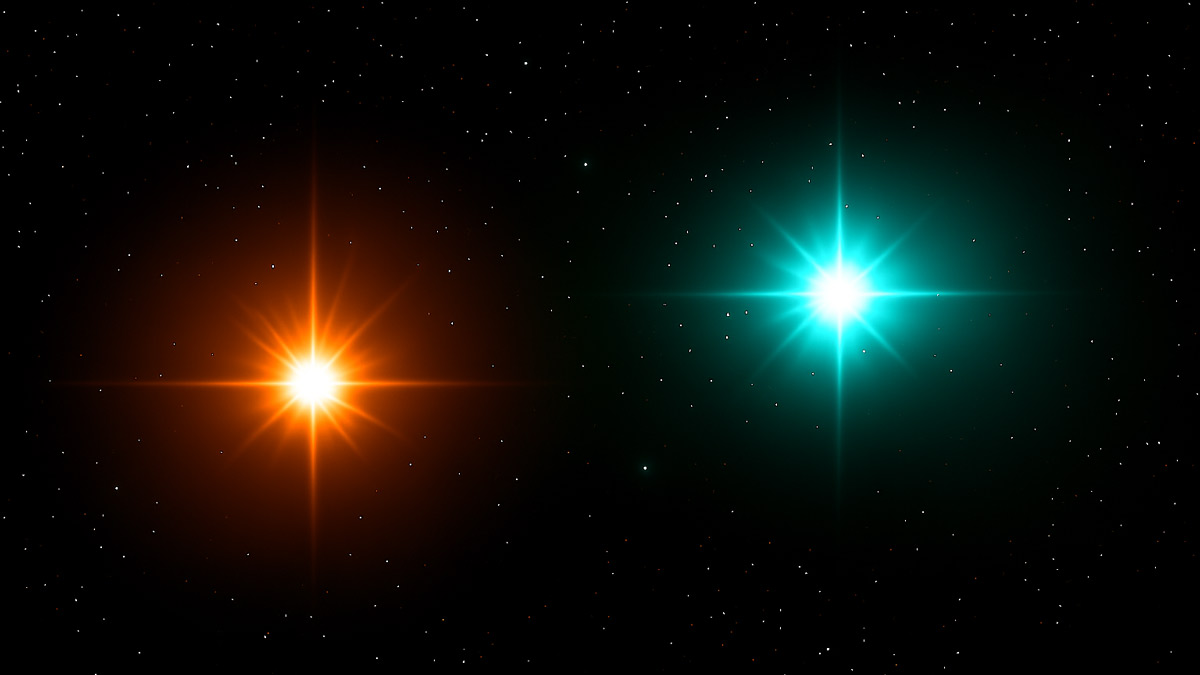
Color-contrasting double stars are stunning celestial jewels, and 56 Herculis is one of them featuring the beautiful orange and teal contrasting colors. The binary belongs to the spring and summer constellation of Hercules. Learn more and see how the pair appears in the suburban telescope. Also known as STF 2110, SAO 84692, HD 152863, HR 6292, 56 Her, and HIP 82780.
 The Garden Astronomer