
NGC 559, also known as Caldwall 8, is a small, dim cluster in the constellation Cassiopeia. The cluster features 6-8 brighter stars, but at a total
NGC 7635 (Caldwell 11): The Bubble Nebula

NGC 7635, also known as Caldwell 11 and the Bubble Nebula, is a beautiful emission nebula located in the constellation Cassiopeia, which is best viewed in autumn. From my backyard, I'm able to sketch the very faint nebula as a small smudge.
12 Lacertae: Crystal Blue Double
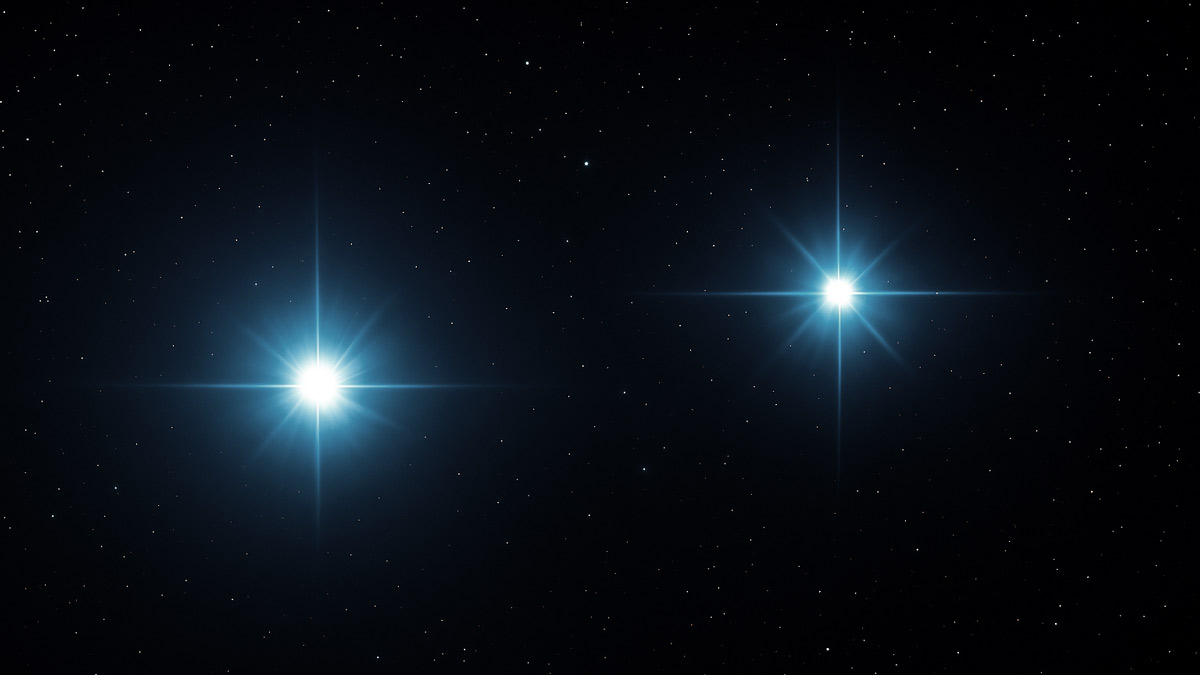
Discover 12 Lacertae, a crystal blue double star in Lacerta. The primary is a Beta Cephei variable (mag 5.16-5.28). Observations & key stats!
NGC 40: The Bow-Tie Nebula

NGC 40, also known as the Bow Tie nebula, is a somewhat dim planetary nebula in the Cepheus constellation. It's a good target for the casual backyard observer with a moderate telescope.
Struve 3050: A Tight Pair of Stars in Andromeda
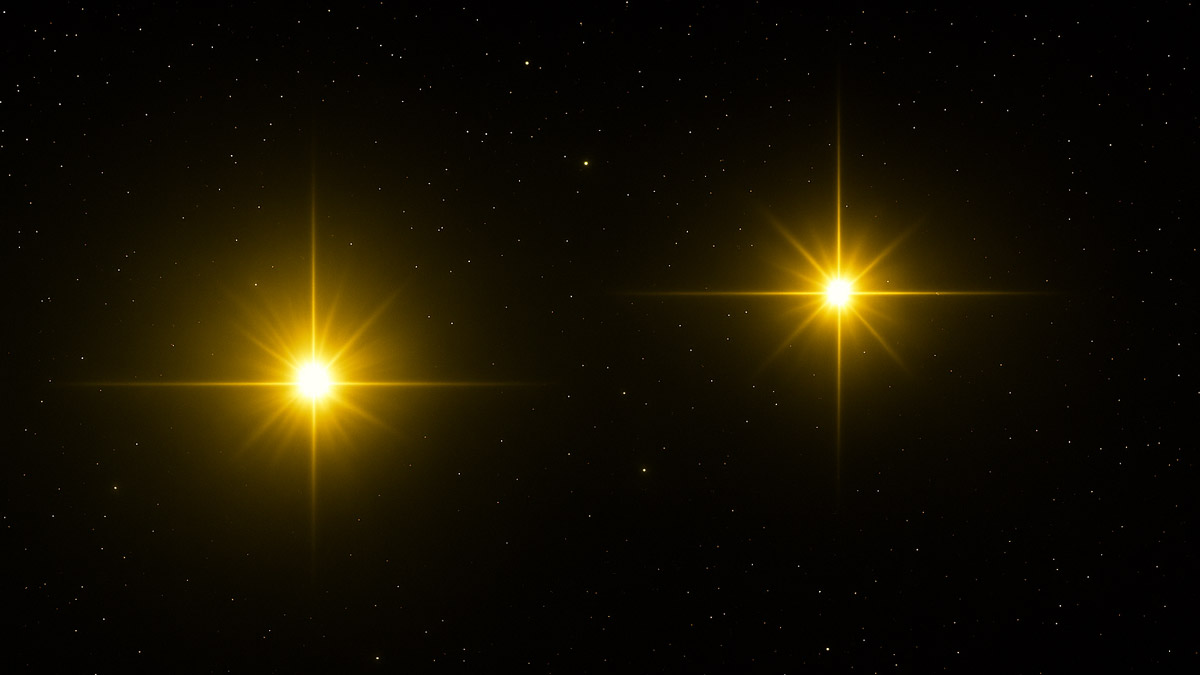
Struve 3050 is a 6th magnitude binary star in the Andromeda constellation best viewed on autumn nights. It is a beautiful, tight pair of equally bright light golden stars.
59 Andromedae: A White Binary Star
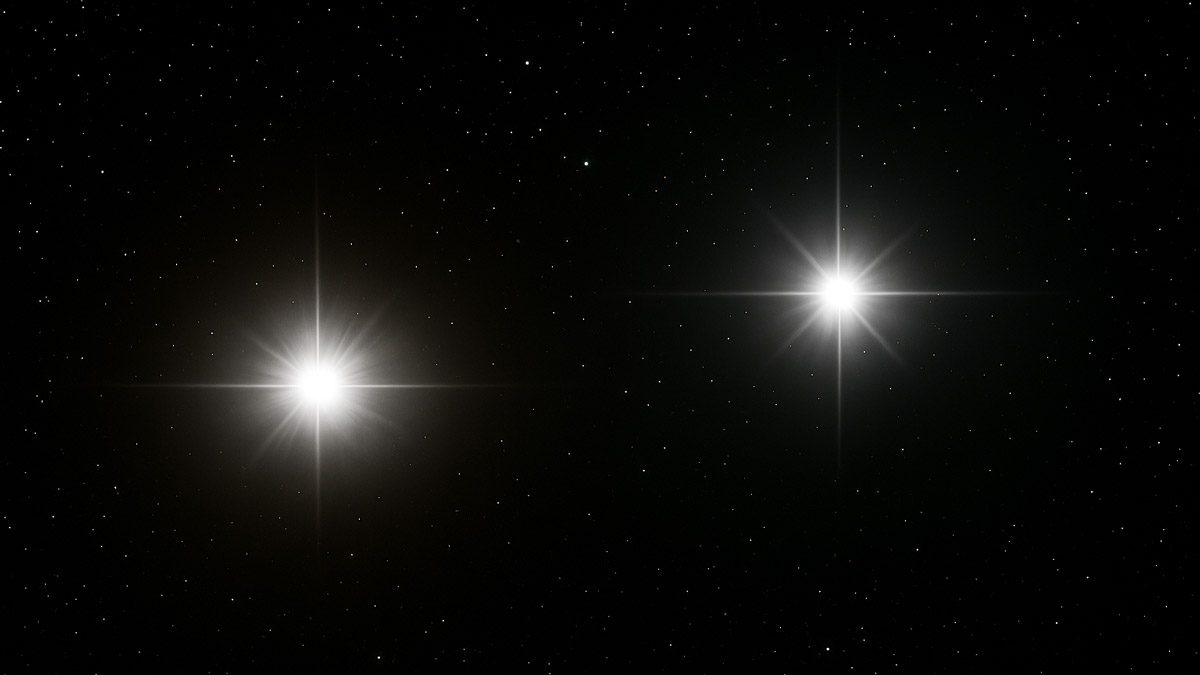
59 Andromedae is a 6th magnitude binary star in the Andromeda constellation best viewed on autumn nights. Backyard astronomers under suburban skies should be able to split this nice white binary with any modest scope.
10 Lacertae: A Blistering, Brillant Hot Blue Double Star
The double-star system known as 10 Lacertae resides in Lacerta, the constellation of the lizard, a dim constellation visible in the autumn and winter nights. The sky lizard offers a rich collection of deep-sky objects, and 10 Lacertae is one of them. Compared to 8 Lacertae, with its well-known multiple bright blue stars, 12 LacertaeContinue reading "10 Lacertae: A Blistering, Brillant Hot Blue Double Star"
66 Ceti: A Double Star of Buttery Yellow and Lavender

66 Ceti shines from the sea monster Cetus, swimming through the night skies of autumn to early winter. Backyard astronomers turning their scopes to 66 Ceti will find a close attractive pair of stars, one with a yellow hue and the other lavender in color.
 The Garden Astronomer