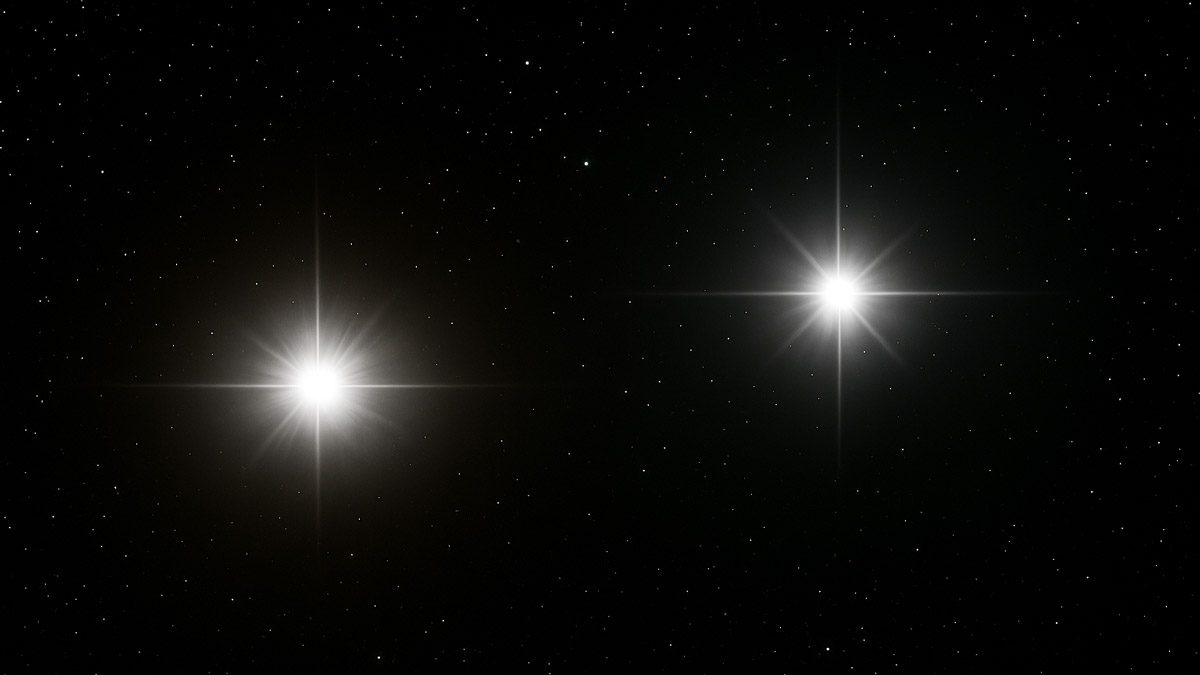
Rho Herculis (ρ Herculis) is a double star in the constellation Hercules, which is best viewed in summer. This fine pair are close in type and brightness, and most see them as bright white. However, my observation differs in that the smaller of the pair seems blue green in color as the sketch shows.
Messier 27 (NGC 6853): The Dumbbell Planetary Nebula in Vulpecula

Messier 27 (NGC 6853) is a planetary nebula in the constellation Vulpecula. It is also known as the Dumbbell Nebula due to its distinctive shape resembling a dumbbell or hourglass. It's best viewed in summer and early autumn. Amateur astronomers can find M27 fairly easy with binoculars and small telescopes, even from light-polluted suburban area as the sketch in this article shows.
NGC 6229: A Very Distant Globular Cluster

NGC 6229 is a dim globular cluster in the summer constellation of Hercules. It lies nearly 100,000 light year away in the outer halo of the Milky Way. Still, amateur astronomers using a modest telescope can still view it.
Delta Herculis (Sarin): A White Star Surrounded by Mulitple Blues

Delta Herculis (δ Herculis) is a multiple star system with a bright white center star named Sarin. The star is the third brightest in the constellation Hercules best viewed in summer. Several blue optical companions surround the magnitude 3 central star. Double also known as Struve (Σ 3127) and SAO 84951
100 Herculis: A Pair of Equally Bright White Stars
100 Herculis is a close binary star of two equally bright stars like diamonds on black velvet. The binary lies in the constellation Hercules and is enjoyed on summer nights. Also known as SAO 85752, 100 Her, HDF 166046, STF 2280.
NGC 6633: This Captain Hook Cluster Pulls You In

NGC 6633 is a bright open cluster in Ophiuchus, nearly moon-sized in the sky. A stunning binocular target rich with blue-white stars for summer nights.
Messier 102 (NGC 5866): The Spindle Galaxy with its Dusty Disk
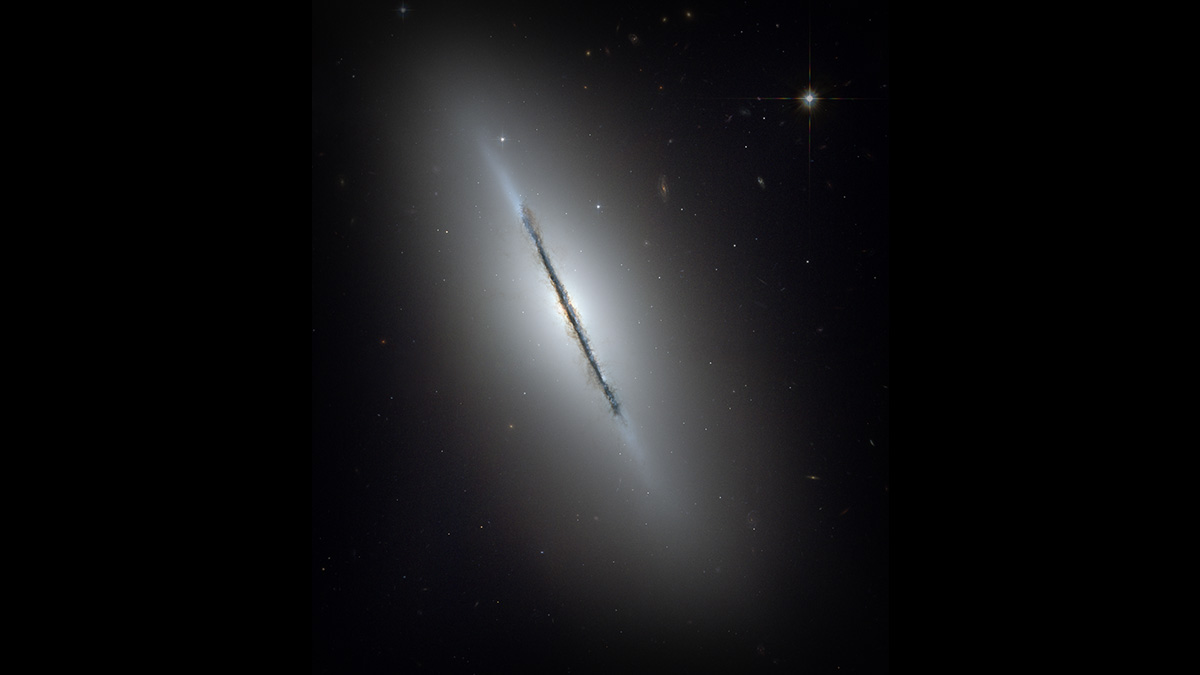
Learn about Messier 102 (NGC 5866), a lenticular galaxy in the constellation Draco. View how it looks through a 8-inch SCT from the light-polluted city or suburbs. Page includes sketch drawing of the galaxy along with historical facts.
Messier 63 (NGC 5055): The Sunflower Galaxy

Learn about Messier 63 (M63), a beautiful spiral galaxy in the constellation Canes Venatici. Observers refer to the galaxy as the Sunflower Galaxy. It is part of the M51 galaxy group.
 The Garden Astronomer