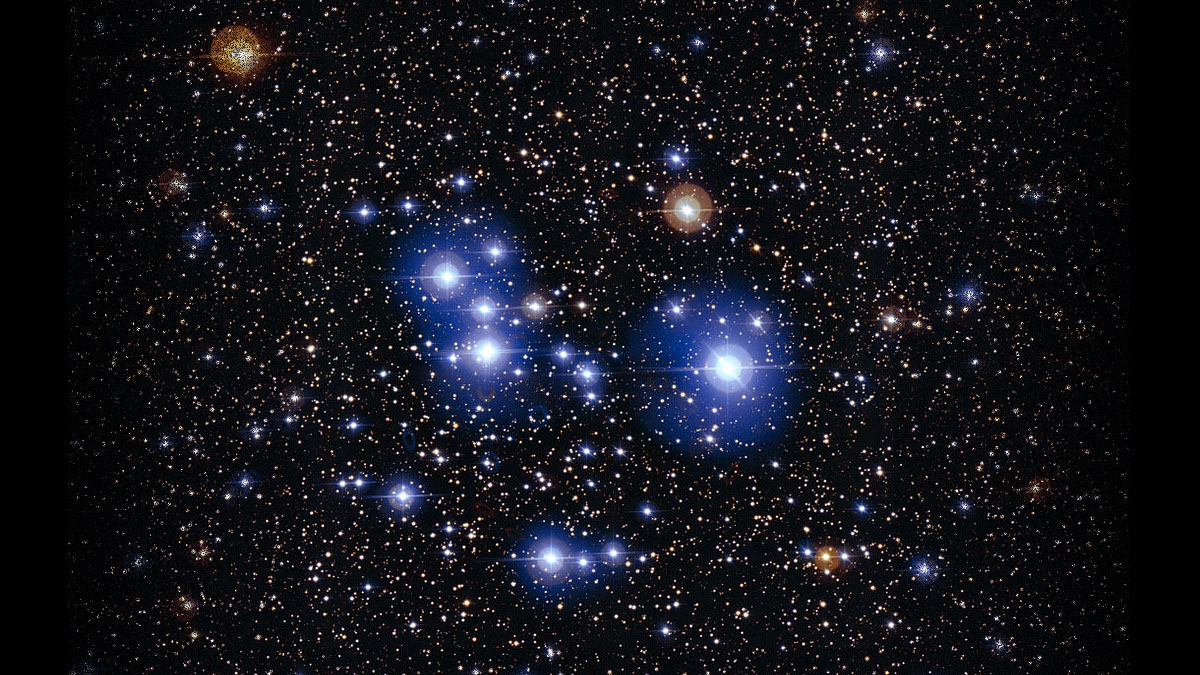
Messier 47 graces the southern skies in the constellation Puppis. While only 50 or so stars make up this cluster, they are bright, blue, and ready to be enjoyed with binoculars or telescopes.
Messier 41 (NGC 2287): The Little Beehive in Canis Major

Messier 41 lies south of the bright star Sirius and covers an area nearly the size of the moon. I credit this wintertime cluster for inspiring my life-long love of astronomy. Learn why.
NGC 2232: A Bright Star Cluster at Home in the Gould Belt
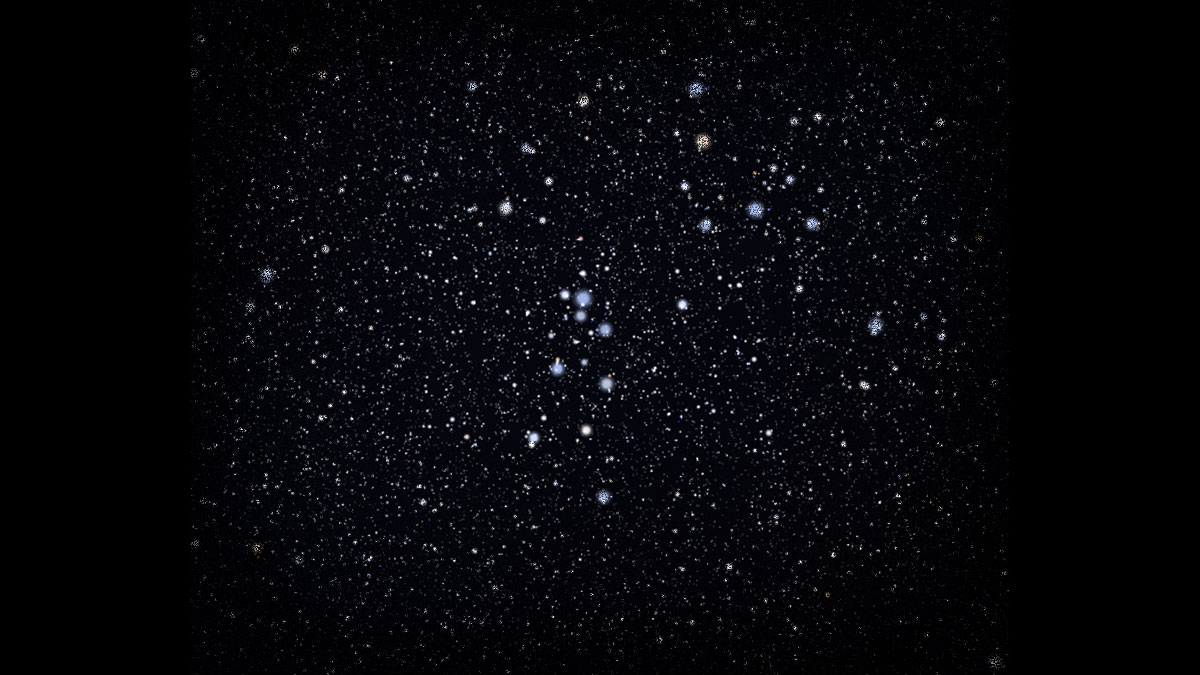
NGC 2232 is an open star cluster that lies in the dim reaches of the constellation of Monoceros. Not to be overlooked, this cluster is attractive in the eyepiece and is part of the fascinating Gould Belt.
NGC 2244: A Star Cluster in a Rose
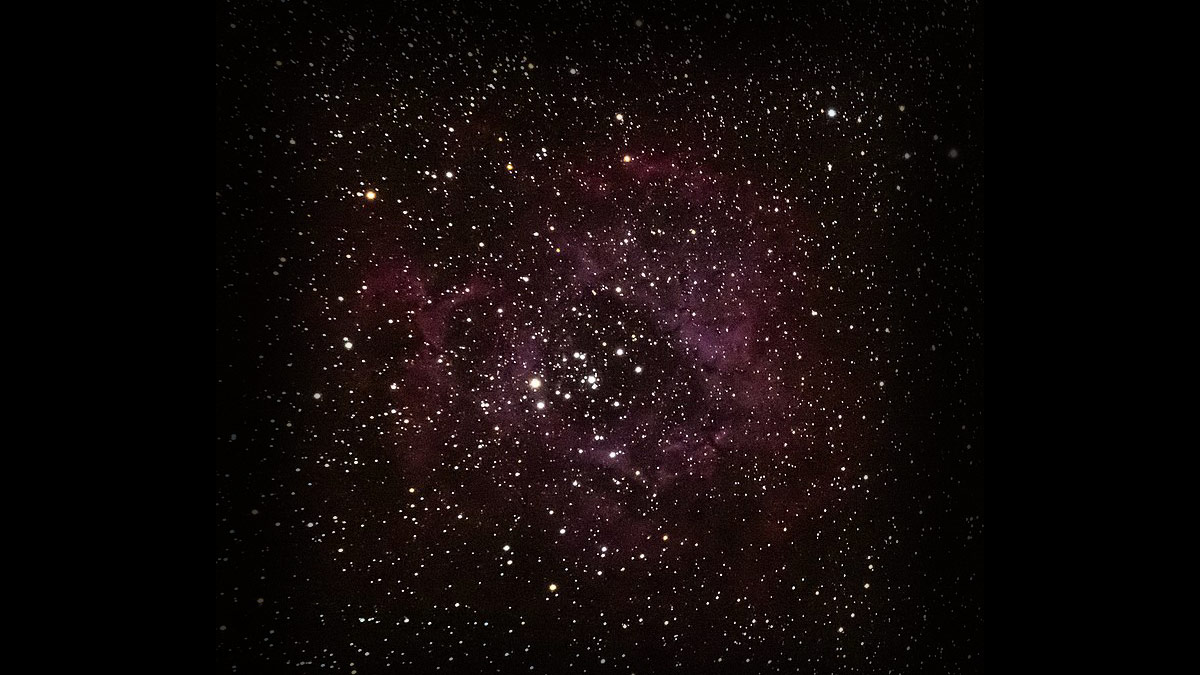
NGC 2244 is a bright and noteworthy cluster at the center of the Rosette Nebula. Backyard astronomers will appreciate the cluster is viewable with binoculars and small telescopes.
Psi1 Piscium: An Easy-To-Split Binary in Pisces

Psi1 is a wide, optical binary star with blue-white colors.
65 Piscium: A Splendid Citrine Binary in Pisces

This close binary star is considered the best in Pisces for its equal brightness and attractive yellow color.
Messier 34 (NGC 1039): A Robust Cluster with Attractive Pairs of Stars
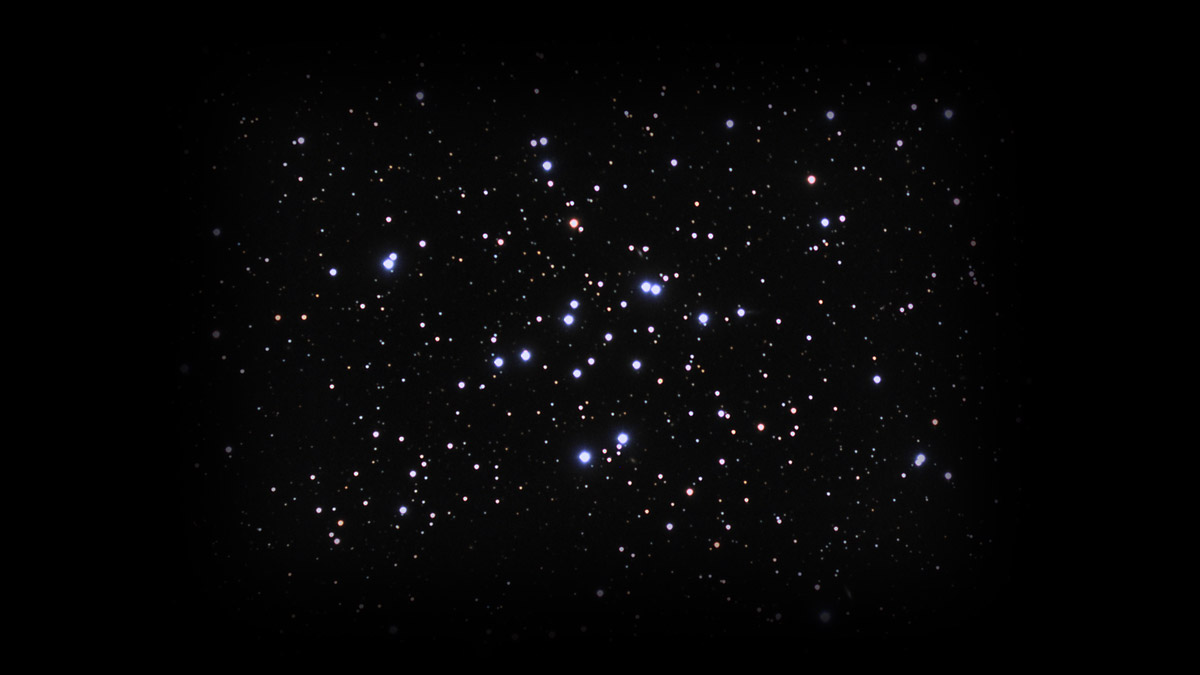
Messier 34 is a treasure chest of 80-100 viewable stars in the winter constellation Perseus.
1 Arietis (Struve 174): Sunny Yellow and Pale Ocean Blue Double
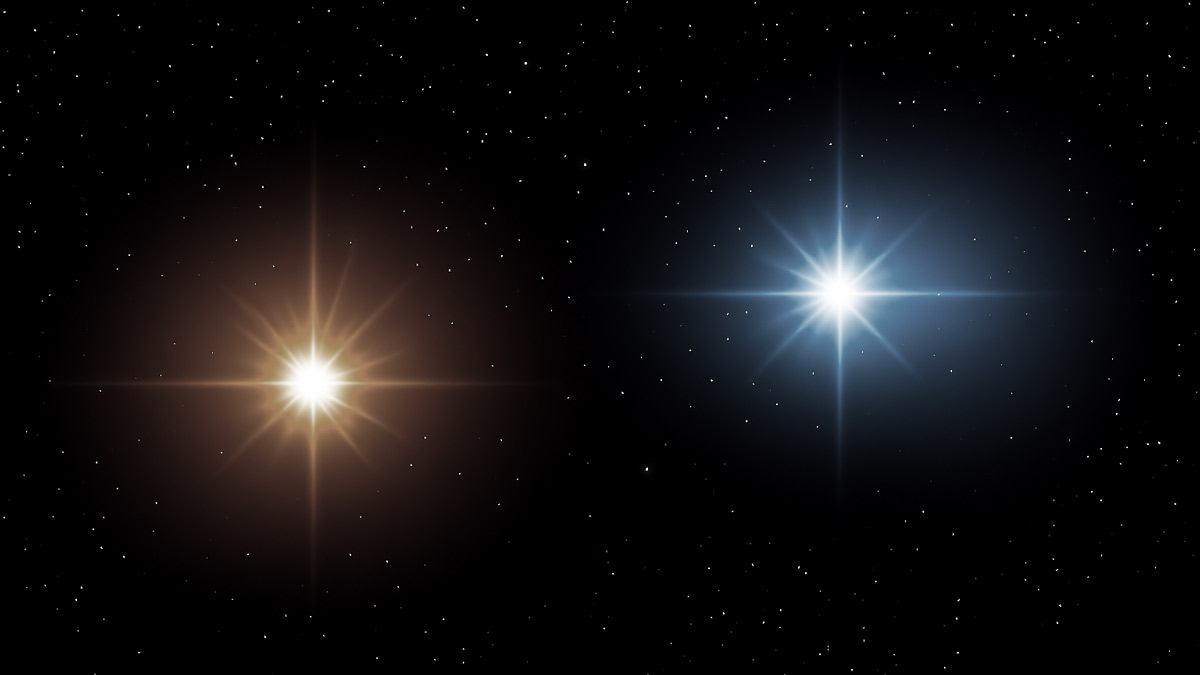
1 Arietis is a colorful and tight double star in the constellation Aries. Urban stargazers will need a good small to moderate sized scope to split the pretty pair. It's best viewed in late autumn and through winter.
 The Garden Astronomer