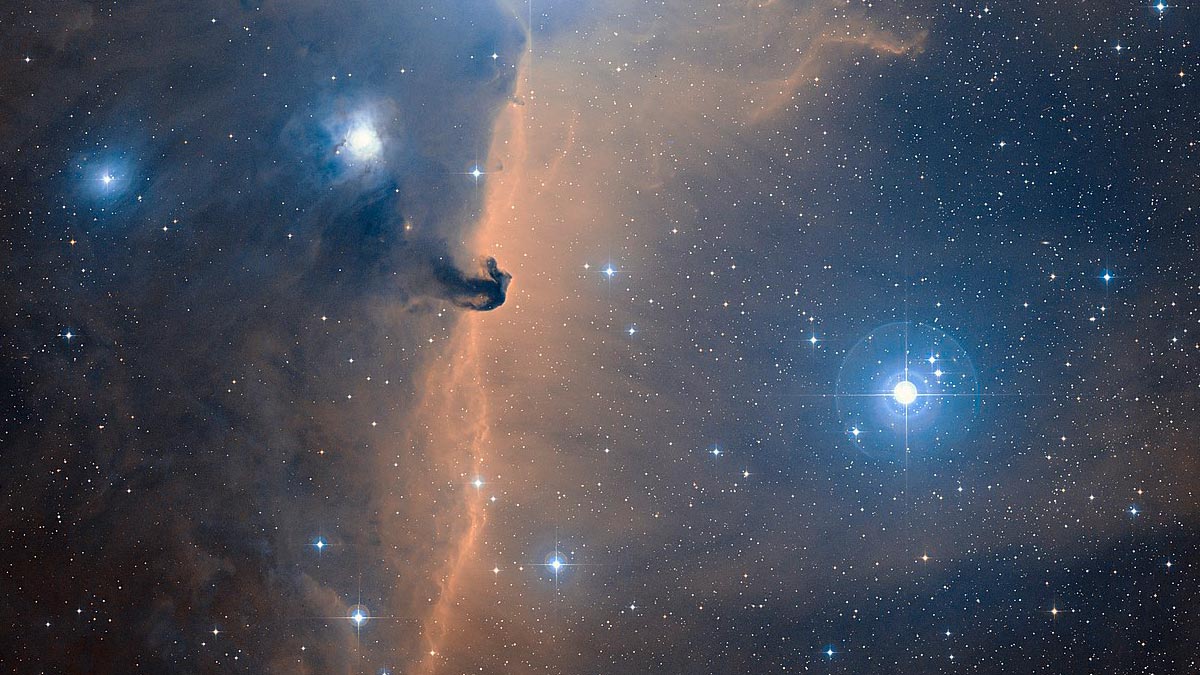
Some consider Sigma Orionis one of the best multiple star systems to view. It makes its home just underneath the belt of Orion near the famous Horsehead Nebula.
Mintaka: A Blazing Hot Star System in Orion’s Belt

Mintaka, a hot bluish-white star in Orion’s Belt, shines 190,000 times brighter than the Sun and is easily seen in the winter sky with the naked eye.
Miram (Eta Persei): A Gold and Sapphire Binary on Winter Nights

Miram is a night sky gem and one of the prettiest binary stars in our galaxy. Make your way to the constellation Perseus on a winter night to enjoy the pair.
NGC 6866: One of Caroline’s Bright Clusters in Cygnus

NGC 6866 is a rich cluster with close to 100 stars, making it a good target for backyard astronomers. Caroline Hershel discovered the cluster in the summer of 1783.
Messier 73 (NGC 6994): A Pattern of Four Stars Once Mired in Debate
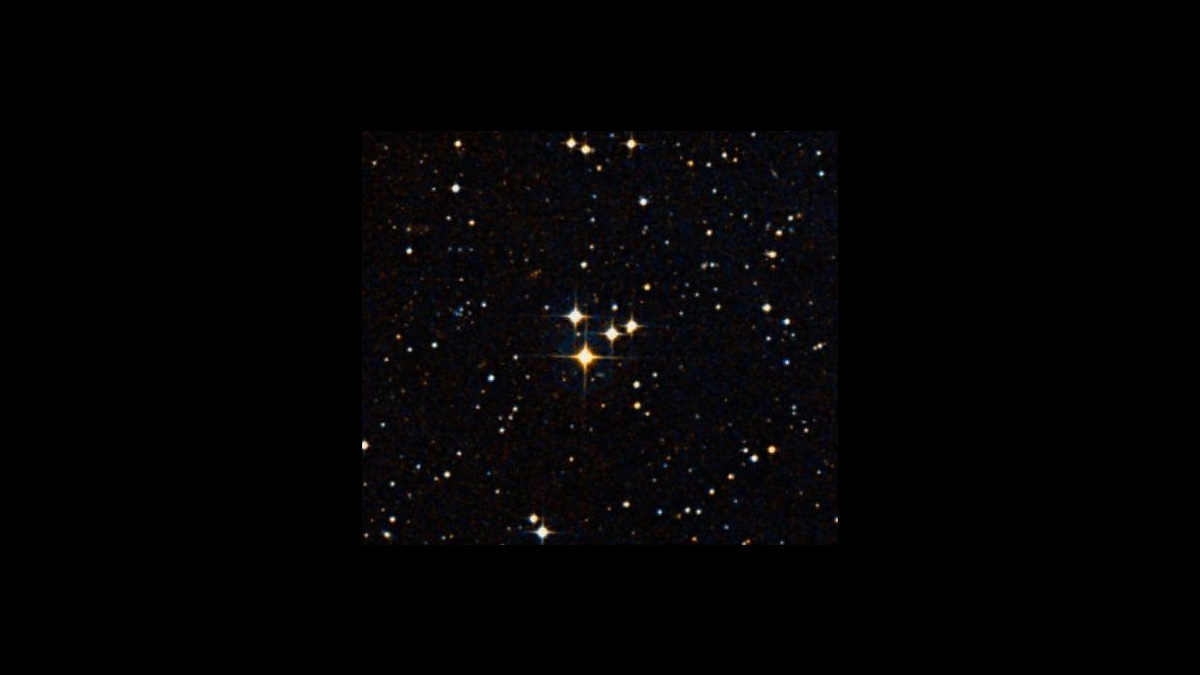
This small pattern of four stars created substantial debate for years, but now we know it's a simple asterism that looks like a spaceship from Asteroids!
Finding Neptune: Viewing My Favorite Planet for the First Time
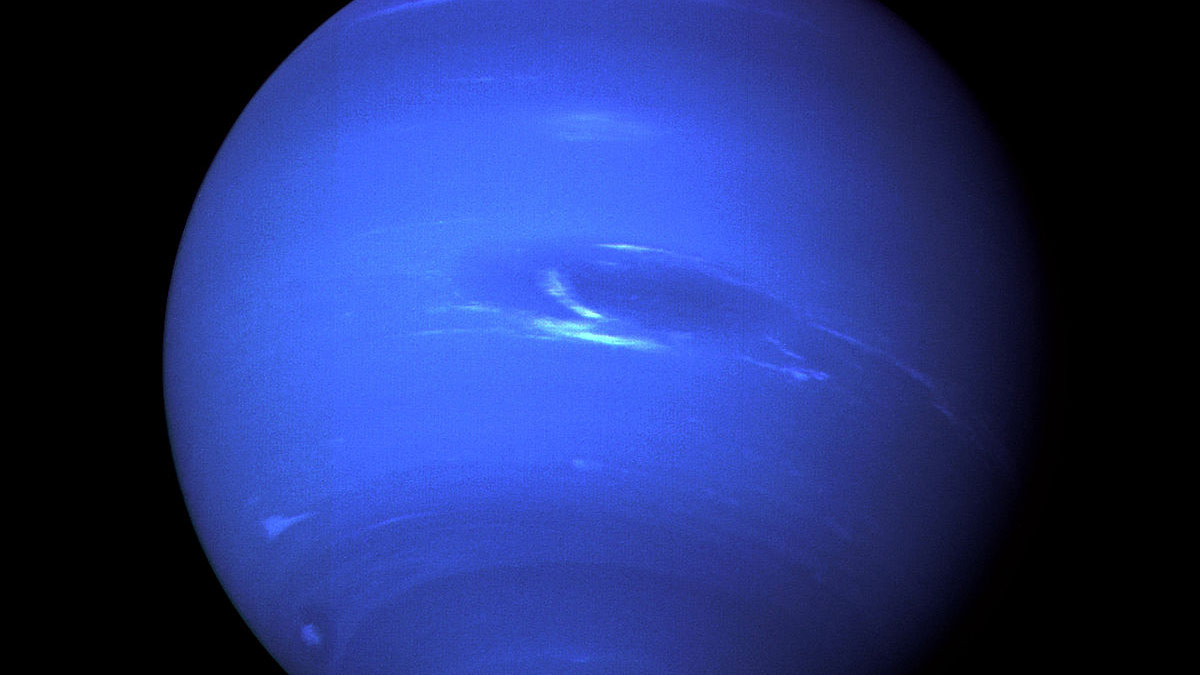
The fuzzy sapphire floating on the firmament was finally mine.
8 Lacertae: Crystal Blue Persuasion
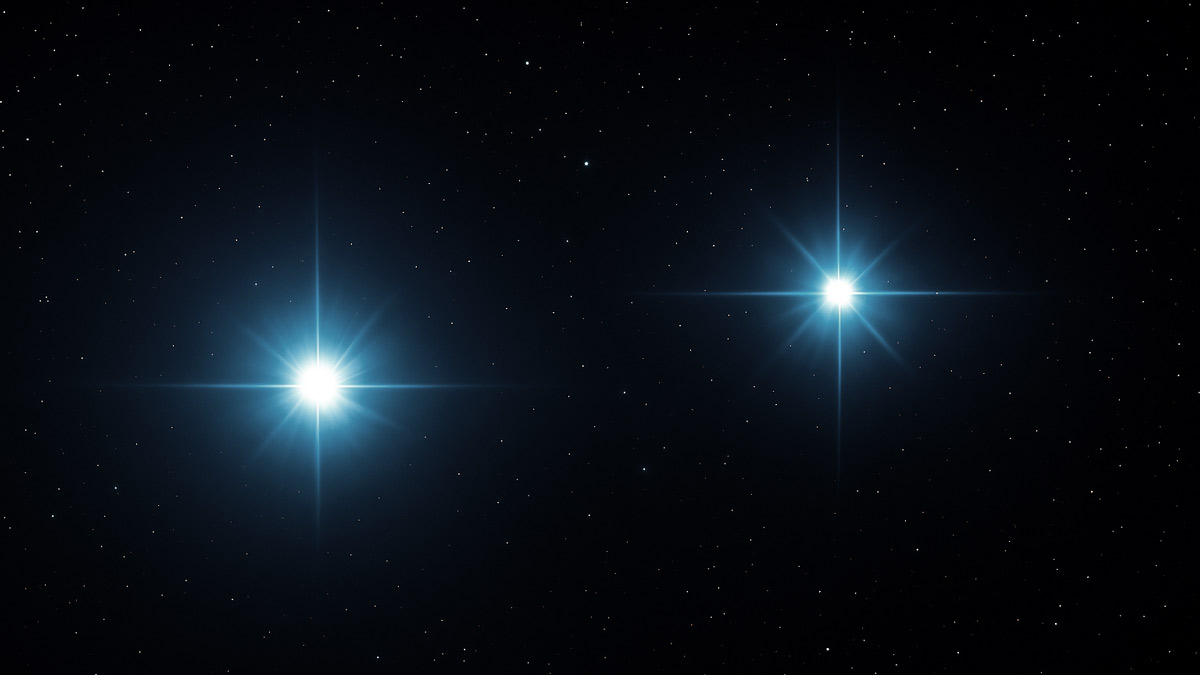
This multiple star system contains some pretty pale blue stars floating among the dim constellation of the Lacerta.
Messier 103 (NGC 581): A Star Cluster Far Far Away
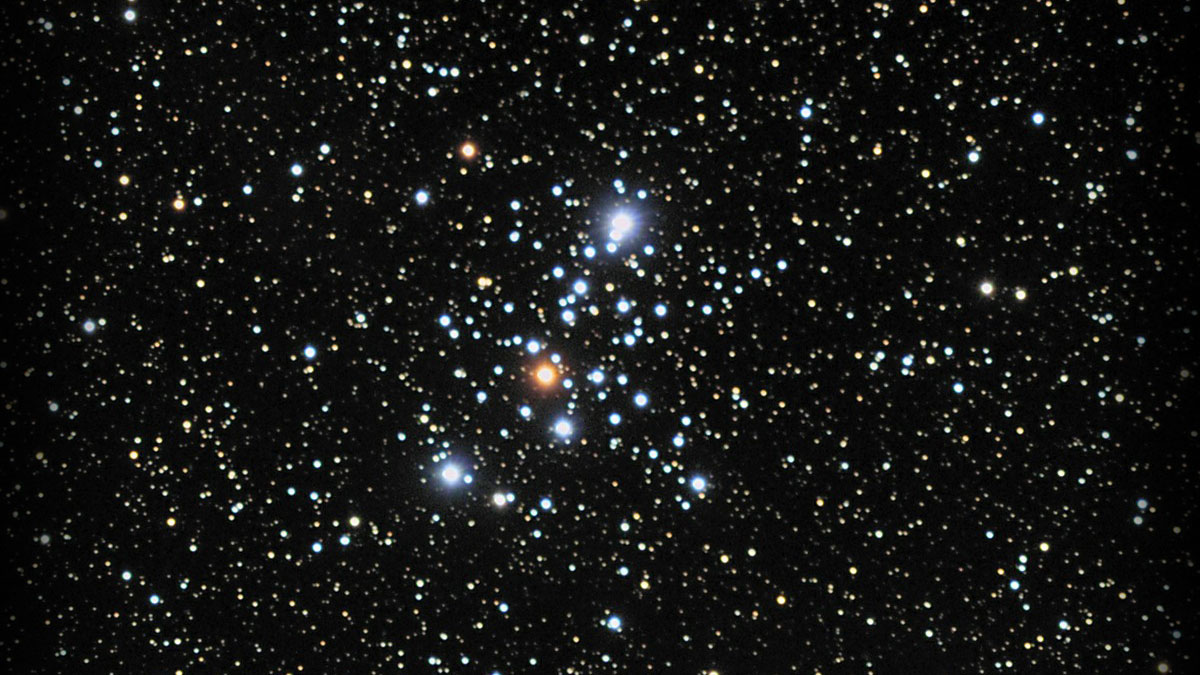
Say hello to one of the most remote open star clusters in the Messier catalog.
 The Garden Astronomer