
As summertime begins in the northern hemisphere, Messier 16 (also known as the Eagle Nebula or Star Queen Nebula) comes on the scene. The popular Eagle Nebula s a diffuse emission nebula located in the constellation Serpens.
NGC 6885 (Caldwell 37): A Cluster with a Shining Star Center

NGC 6885, also known as Caldwell 37, is a star cluster in the constellation Vulpecula and best viewed in summer or early autumn.
70 Ophiuchi: A Colorful Double Star Close to Home

This is a must-see binary in the heat of summer. Not sure why, but as I enjoy viewing this pair, I think of multicolor ice popsicles.
Albireo: A Stunning Double Star of Indigo and Gold

Albireo is a celestial gem—a stunning double star due to the sharp contrast between its indigo and gold color.
HD 184562: A Gentle Arc of Three Colorful Stars in Draco

Don't let the obscure name prevent you from visiting this triple star. It's a colorful triple star lineup.
HD 184936: Tangerine Dream Double Star in Draco
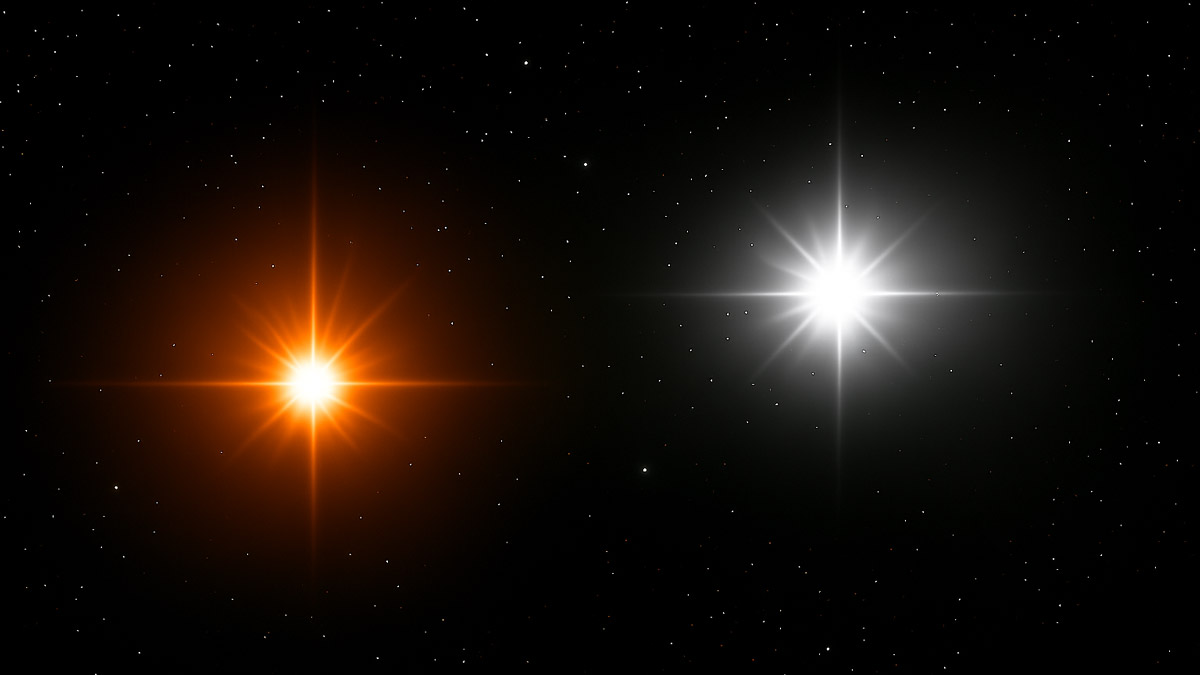
This double star is notable for its wide separation and tangerine-colored primary star in Draco.
Rasalgethi (Alpha Herculis): Magnificent Red Supergiant with a Bluish Friend
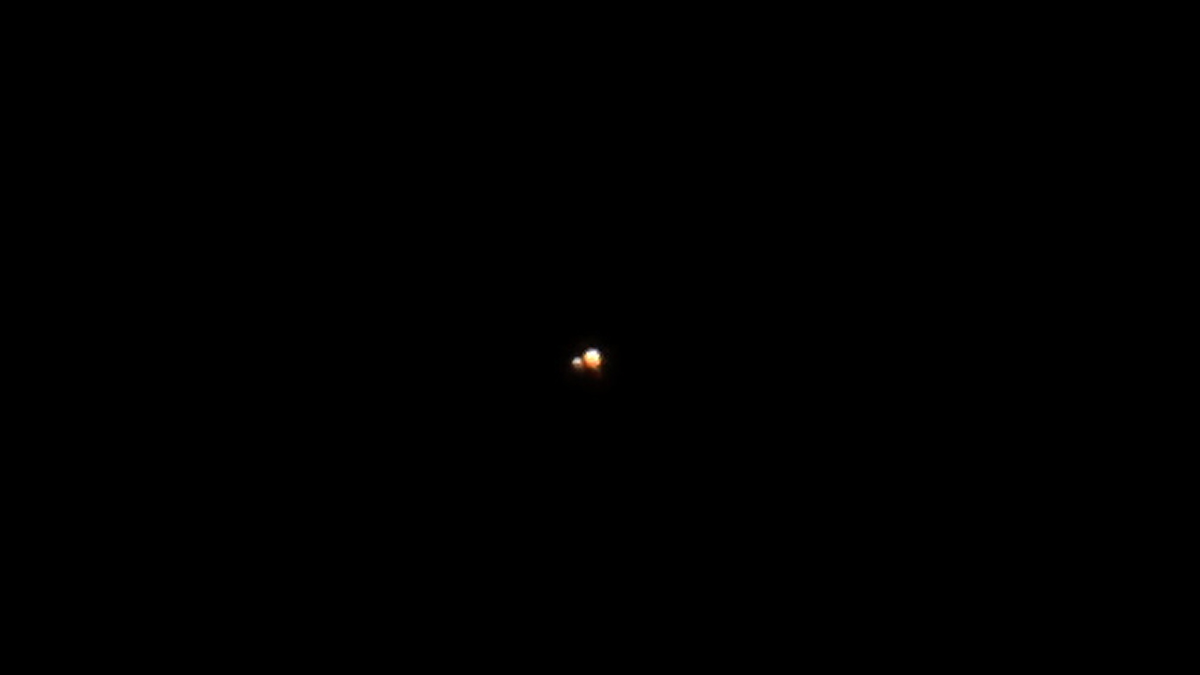
You can view the multiple star system Rasalgethi from the city without the aid of binoculars or a telescope. As a star in the constellation Hercules, it is viewable in late spring through summer. This red supergiant lies 380 light years away from us with a radius 400 times larger than our own sun! AccordingContinue reading "Rasalgethi (Alpha Herculis): Magnificent Red Supergiant with a Bluish Friend"
Alya (Theta Serpentis): Stars of Yellow and Green

Alya, a three-star system in Serpens, has pale yellow stars spinning at incredible speeds. Explore this fast-rotating stellar trio through a telescope.
 The Garden Astronomer