
Delta Serpentis is a double star in the lesser-known constellation of Serpens, the serpent. It makes a for a pretty summertime target.
Mu Draconis: Two Exquisite Stars Look Back at Me
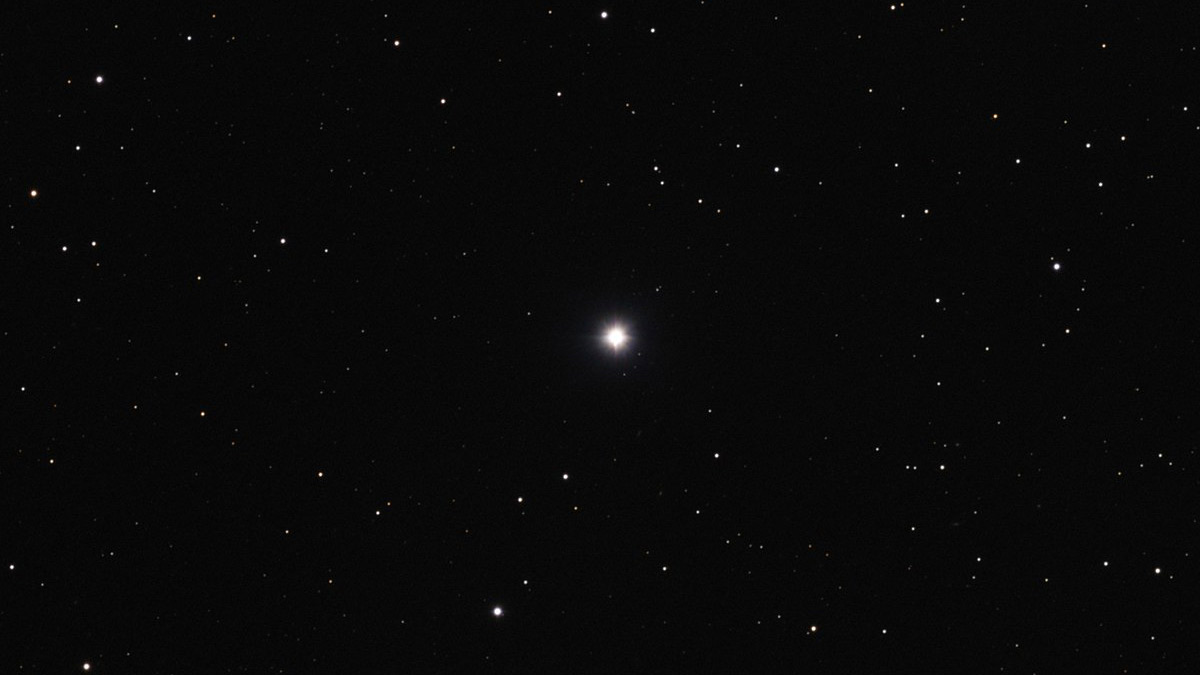
Mu Draconis is an exquisite double star in the constellation Draco as both stars are the same color and size. For me, it appears as if two small eyes peered back from the depths of the universe.
Omicron Draconis (47 Draconis): Mercury’s North Star

Omicron Draconis, also known as 47 Draconis, is a double star in the constellation Draco. The primary star shines an orange/red hue. Also, let's pretend you are standing on the planet Mercury and not melting. The "north star" on Mercury is Omicron Draconis as it's the closest star to Mercury's north celestial pole. My ObservationsContinue reading "Omicron Draconis (47 Draconis): Mercury’s North Star"
Dziban (31 Draconis)
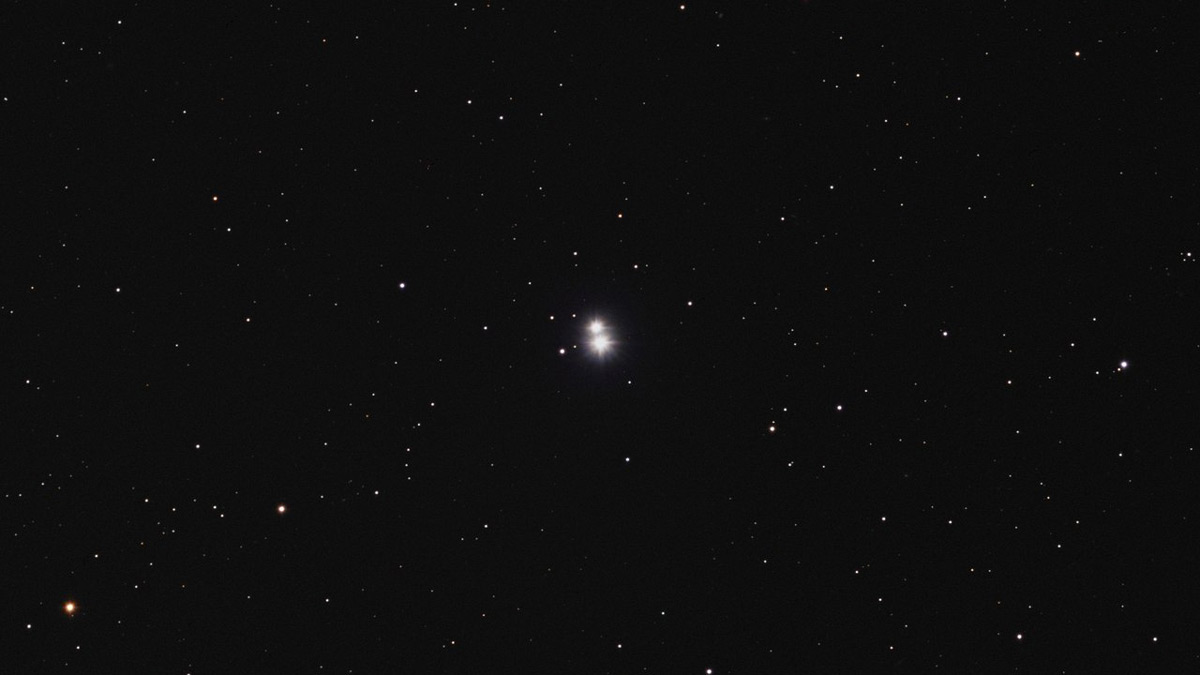
Dziban is a double star in constellation Draco. It's also know as 31 Draconis or Psi Draconis. The name Dziban is derived from Arabic "Adh-Dhi'ban," which means "the two wolves." This double is bright enough, and wide enough, to be viewed using binoculars. In 2015, astronomers discovered an exoplanet orbiting the secondary star (the dimmerContinue reading "Dziban (31 Draconis)"
Spica: Beautiful Blue Light of the Spring Night
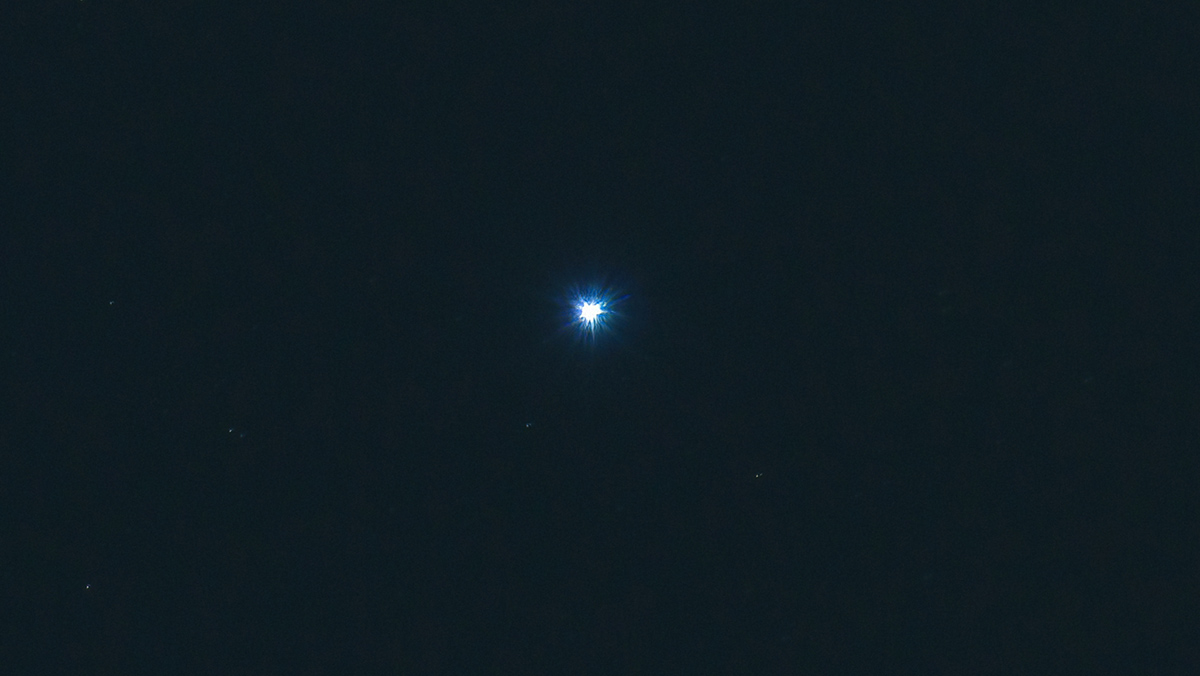
On spring nights, the solitary blue star Spica rises in the eastern sky standing seemingly alone in the constellation Virgo. Spica will always be a special star to me. You see, in my teenage years, I stayed up into the early morning hours to catch a last glimpse of the Orion Nebula and other deepContinue reading "Spica: Beautiful Blue Light of the Spring Night"
Messier 104 (NGC 4594): The Stunning Sombrero Galaxy

We view this stunning galaxy almost edge-on. In this lair of light lives a supermassive black hole.
Nu Draconis: A Bright Double Shines Like Diamond Earrings
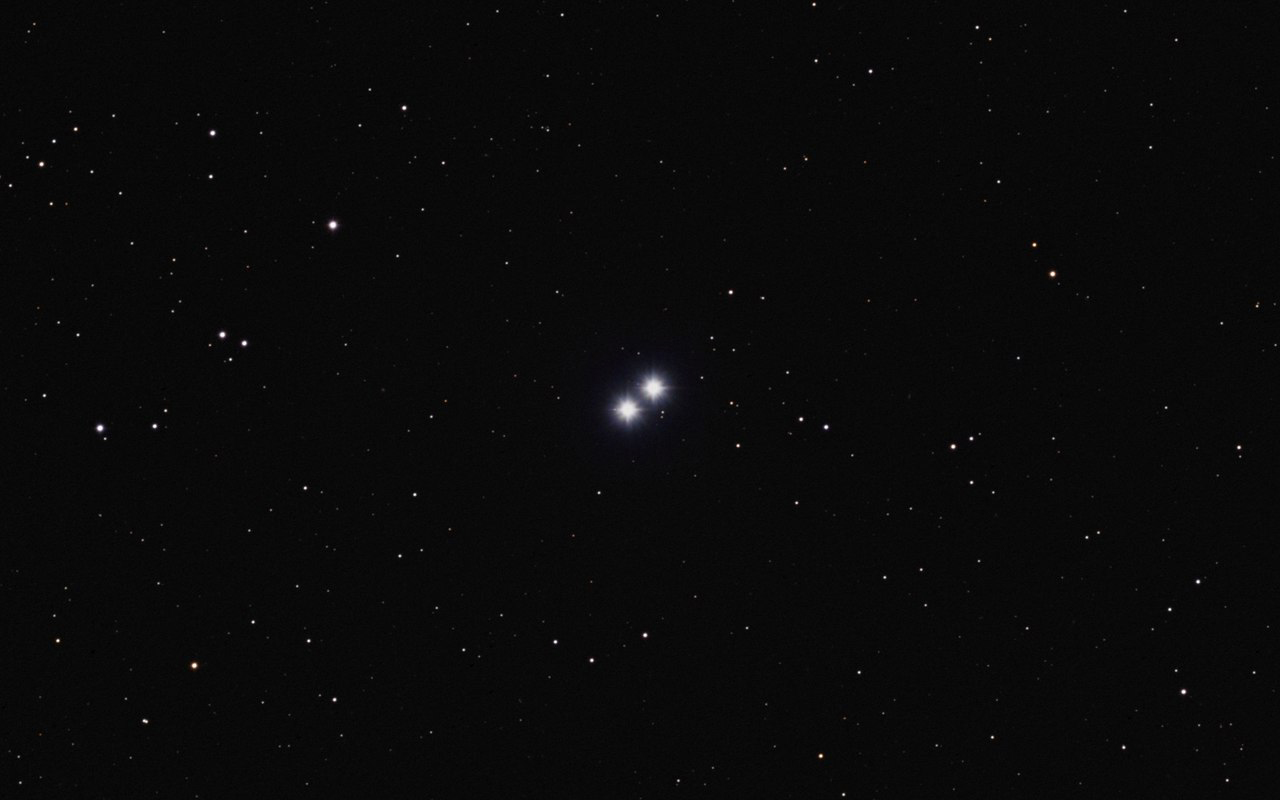
Most double stars are too dim, or close together, to identify with an average pair of binoculars. A few, however, can be enjoyed this way. The ever popular Mizar in Ursa Major comes to mind. Another double star bright enough with good separation is Nu Draconis in Draco. The individual stars, called ν1 Draconis and ν2 Draconis,Continue reading "Nu Draconis: A Bright Double Shines Like Diamond Earrings"
41 Draconis: Creamy-Looking Double Star in Draco

40 and 41 Draconis form a double star system in the constellation Draco. Since they have fairly bright magnitudes and good separation, most observers with small telescopes should be able to split this pair. I suggest first-time observers first study their pale-yellow color. Some observers have noted they are a cream color. Then, slew yourContinue reading "41 Draconis: Creamy-Looking Double Star in Draco"
 The Garden Astronomer