
As I stare into the eyepiece, my mind wonders; I imagine the flurry of star creation and enormous, unimaginable energy in the wispy image.
Messier 81 (NGC 3031): Bode’s Galaxy

Messier 81 is a spiral galaxy in Ursa Major. It's best viewed in the spring. Galaxies are often faint and tough to see from suburban skies. However, Bode's Galaxy is bright enough to see using smaller scopes and is a great object for amateur astronomers starting out in the hobby. Its spiral arms, the brightContinue reading "Messier 81 (NGC 3031): Bode’s Galaxy"
NGC 2264: A Christmas Tree Lights Up in Monoceros!
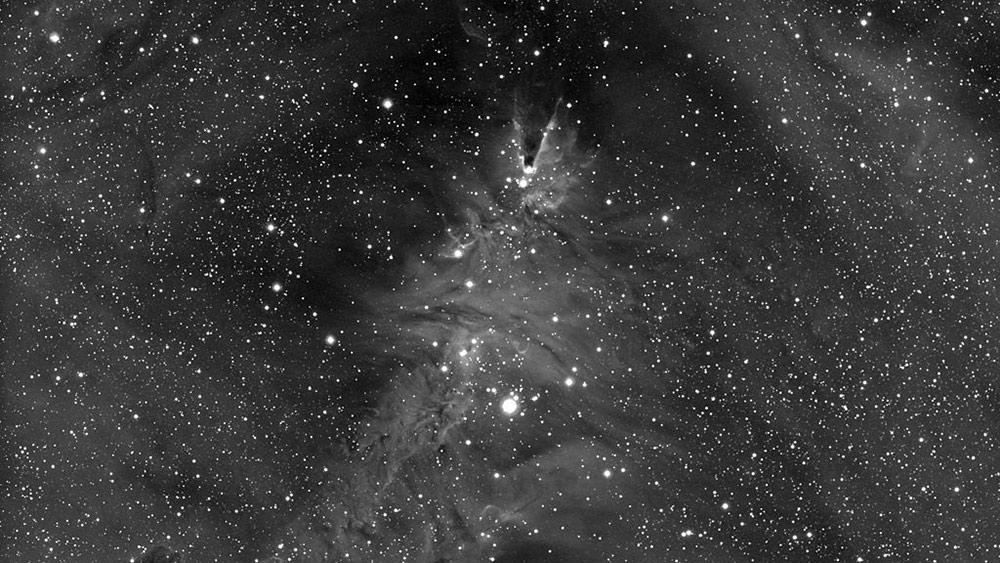
Don't miss this large and attractive star cluster and nebula on cold winter nights.
NGC 1513: Open Cluster in Perseus
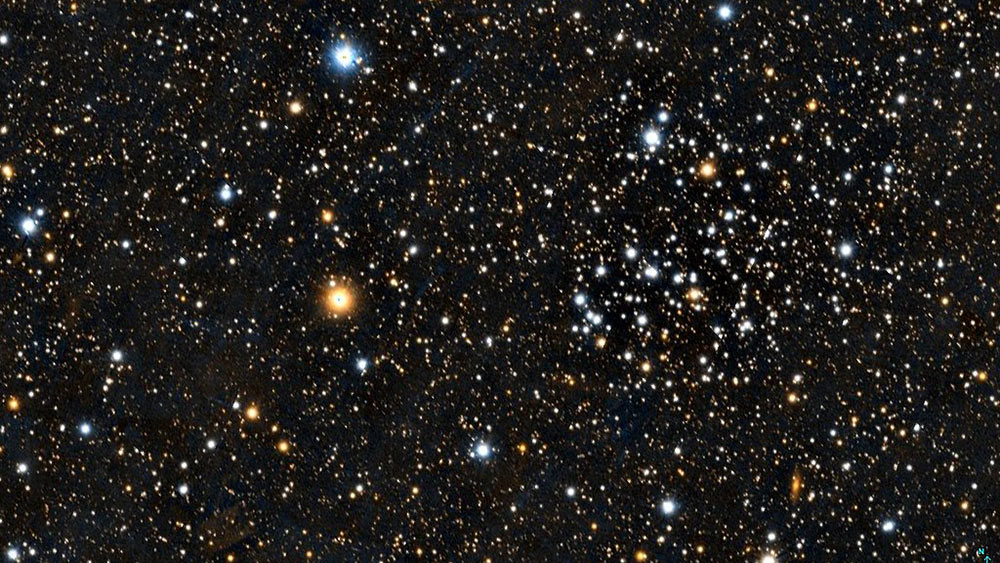
NGC 1513 is an open star cluster in the constellation Perseus. It's best viewed in the winter. This is a scattered dim cluster that lies near the brighter and more prominent objects: NGC 1545 and NGC 1528. According to the book Sky Vistas by Craig Crossen, NGC 1513 is faint in part due to aContinue reading "NGC 1513: Open Cluster in Perseus"
NGC 1528: A Star Cluster with a Water Fountain
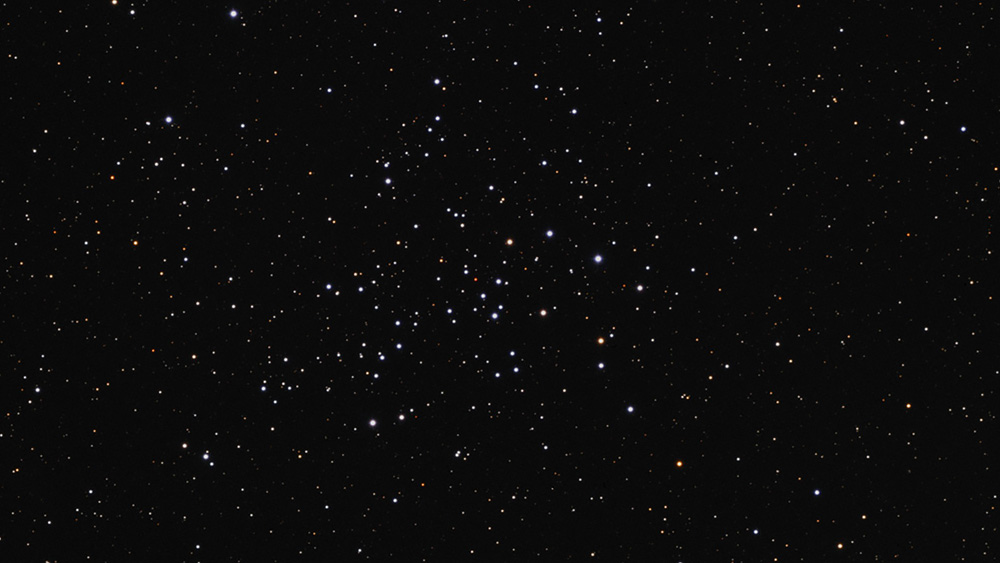
NGC 1529 is an open star cluster in the constellation Perseus. It's best viewed in the winter. Approximately 150 star makes up the constellation My Observations Date: March 11, 2021Time: 8:00 p.m.Location: Seattle, WashingtonScope: Meade 8″ ACFEyepiece: 20mmTemp: 53FSeeing: AverageTransparency: Average This cluster does have several bright stars; I count 15 prominent stars. On first glance, the stars look like theyContinue reading "NGC 1528: A Star Cluster with a Water Fountain"
NGC 1545: A Colorful Triangle Cluster in Perseus
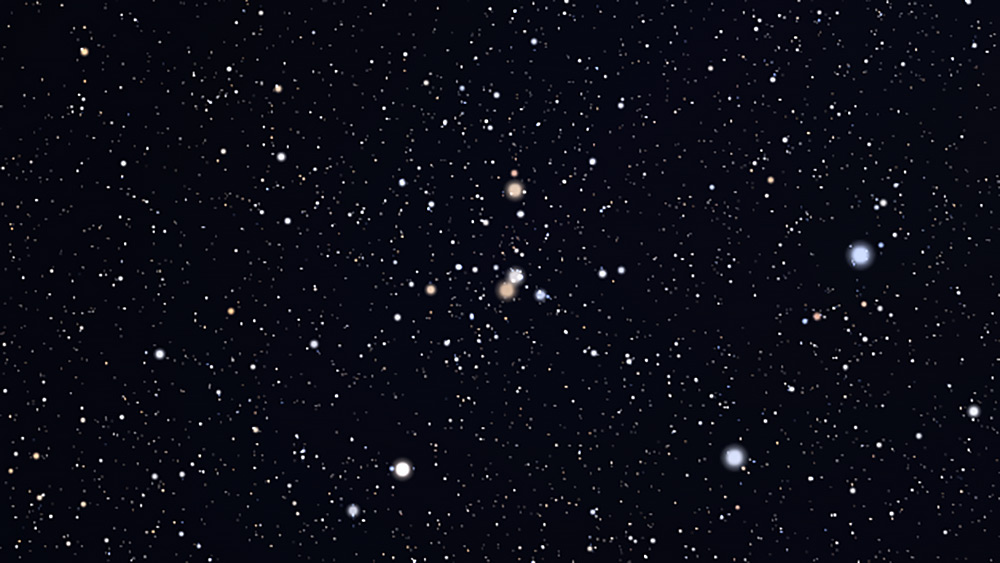
NGC 1545 is an open star cluster in the constellation Perseus. It's best viewed in the winter at a magnitude of 6.19.
NGC 2360: Caroline’s Beautiful Cluster of Stars
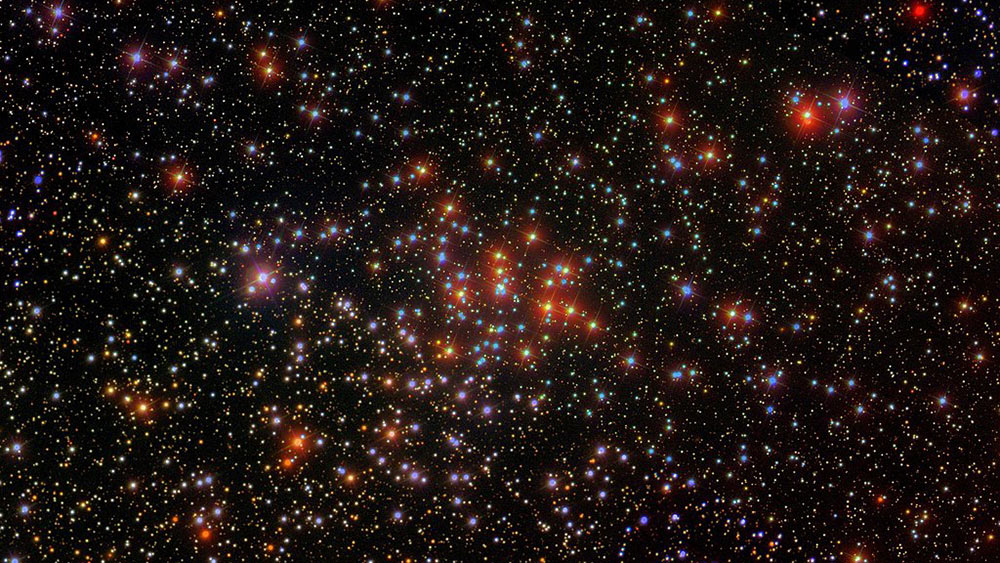
Caroline Hershel, sister of the famous astronomer William Hershel who discovered Uranus, discovered this cluster more than 200 years ago on a winter's night. Seeing this makes me reflect on the passing of time.
Messier 48 (NGC 2548): A Star Cluster the Size of Two Moons
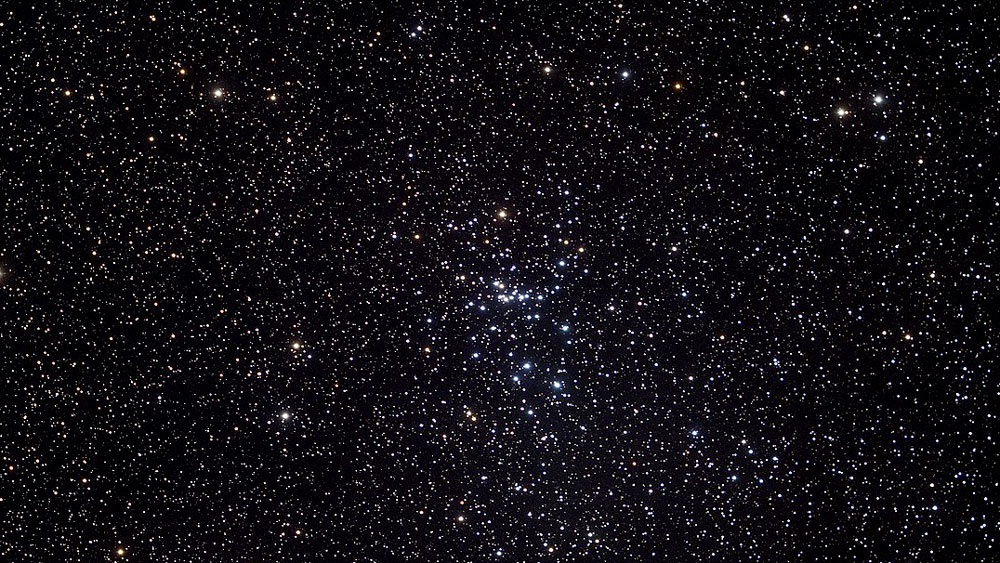
Messier 48 is an open star cluster in the constellation of Hydra. M48 has an interesting history as Messier recorded an incorrect location for the cluster, and many give credit to Caroline Herschel for its discovery.
 The Garden Astronomer