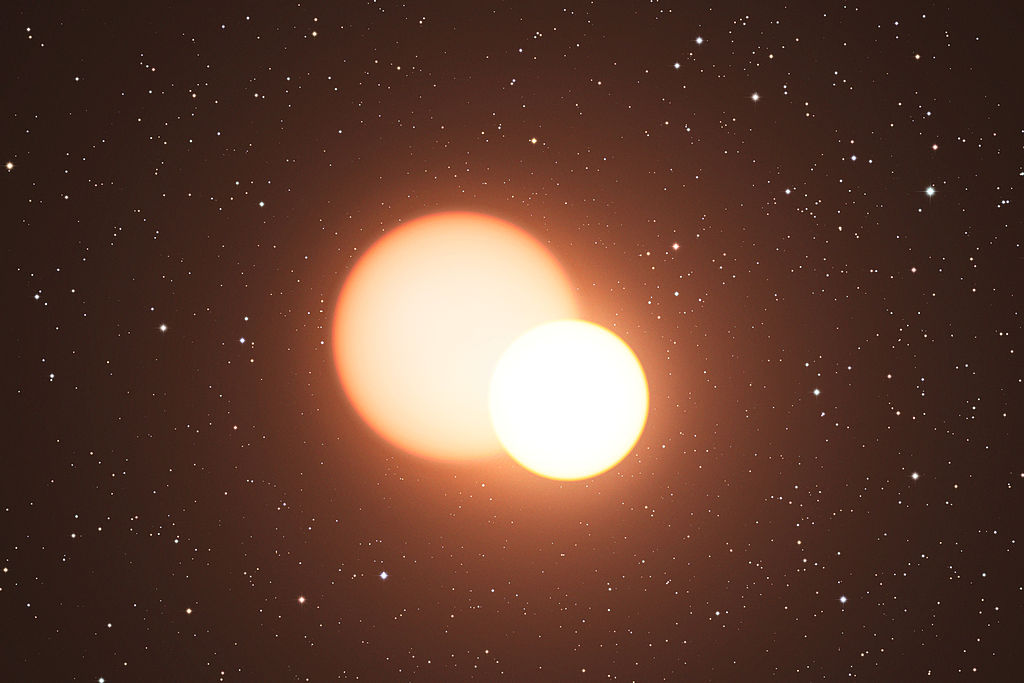
Wasat is the primary star in a triple star system in the constellation Gemini. It's best viewed in the winter. At magnitude +3.5, Wasat is not difficult to find under suburban skies. As you look at Wasat, you're looking at a historical area of the night sky. In February 1930, Kansas farmboy-turned-astronomer Clyde Tombaugh discoveredContinue reading "Delta Geminorum (Wasat): A Star With a Unique History"
Struve 747: A Pair of Light Blue Topaz Stars

With many competing targets in the Orion neighborhood, it may be easy to overlook notable double stars such as Rigel and Struve 747 (also known by HR 1887). Struve 747 is a 4th magnitude double star in Orion and a worthy target on any winter night. When observing the pair, you'll notice they are prettyContinue reading "Struve 747: A Pair of Light Blue Topaz Stars"
Messier 42 (NGC 1976): A Cosmic Fire and Stellar Nursery in Orion
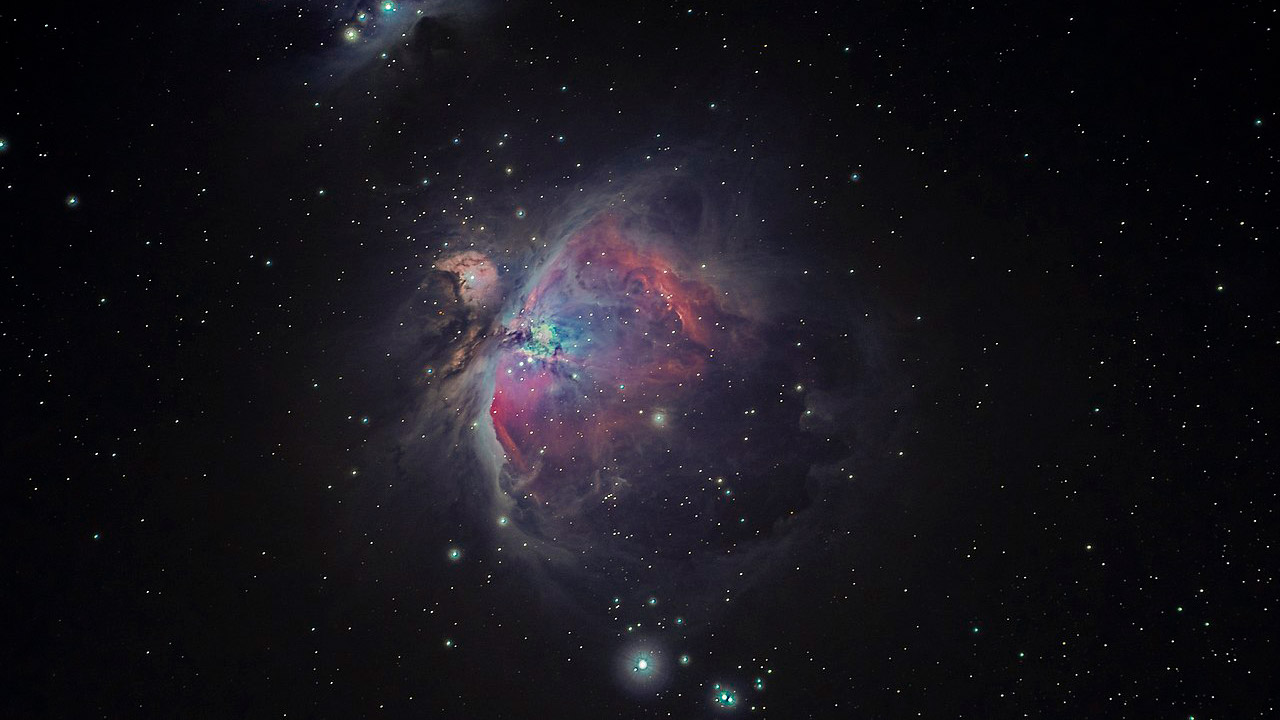
Messier 42, known as the Great Orion Nebula, is in the constellation Orion. It's best viewed in the winter. The Great Orion Nebula never fails to impress winter stargazers. I don't care if I'm looking at M42 with a small pair of binoculars or larger scope, I find it difficult to break my gaze atContinue reading "Messier 42 (NGC 1976): A Cosmic Fire and Stellar Nursery in Orion"
NGC 2392: An Enchanting Planetary Nebula in Gemini
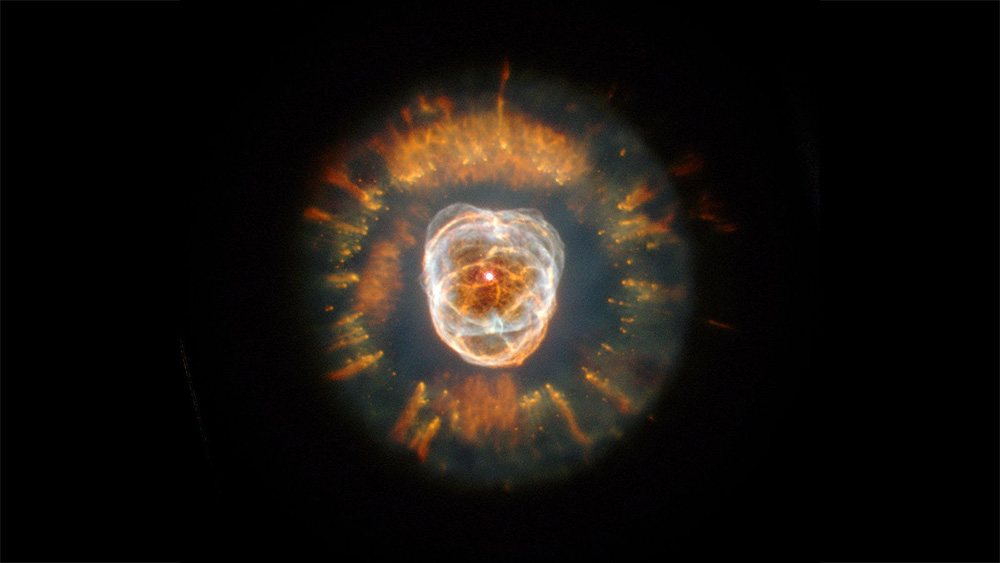
This nebula is notable for looking like a person with a hood on. In reality, a dying star ejected its outer layers of gas to create the fuzzy cloud I see in my telescope.
Rigel: Shine On, You Crazy Diamond

Rigel is one of the most popular stars in the sky as it marks the foot of thee constellation Orion. It is a blue-white supergiant star, and when you look at it closer, you'll find a small companion star floating in Rigel's glow.
118 Tauri: A Nice Double Star in Taurus
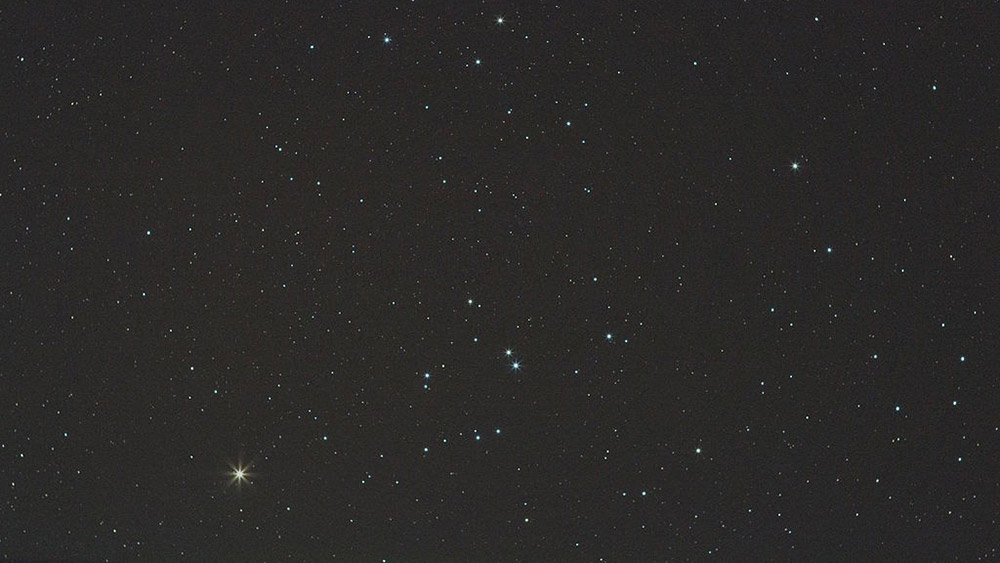
If you are sailing through Taurus with your telescope, be sure to stop by the blue-white star of 118 Tauri. With enough magnification, you'll be able to see this is actually a double star, and it appears like a little animal with beady eyes is looking back at you. My Observations DateDecember 28, 2020Time8:10 p.m.LocationSeattle,Continue reading "118 Tauri: A Nice Double Star in Taurus"
Hyades: The Closest Star Cluster to Earth and Face of Taurus

Hyades is an open star cluster in the constellation of Taurus. It's best viewed in winter through early spring. Observers should be able to see Hyades from most locations with the unaided eye. At only 150 light years from earth, Hyades is the closest star cluster to earth. My Observations December 28, 2020 | 7:53Continue reading "Hyades: The Closest Star Cluster to Earth and Face of Taurus"
Eta Cassiopeiae (Achird): A Colorful Double Star in Cassiopeia
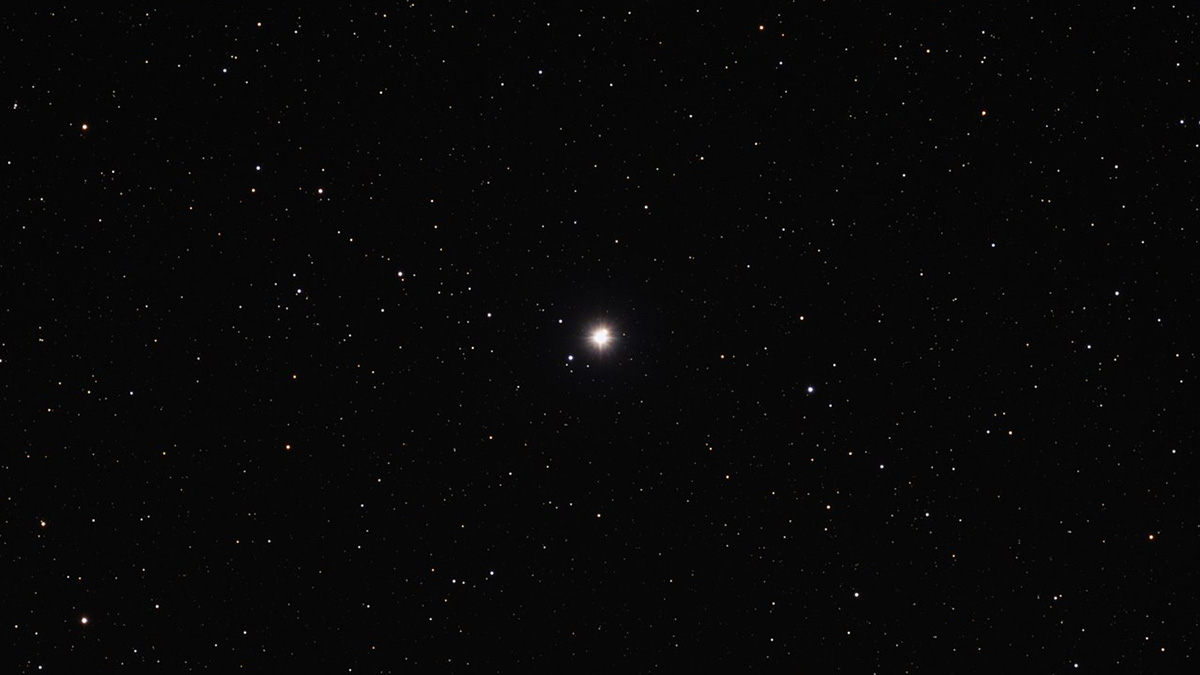
Eta Cassiopeiae, also known as Achird, is a double-star system in the constellation Cassiopeia. It's best viewed in autumn through early winter. What's also notable is how close Achird is to us. Relatively, this double is very close at only 19 light-years away.
 The Garden Astronomer