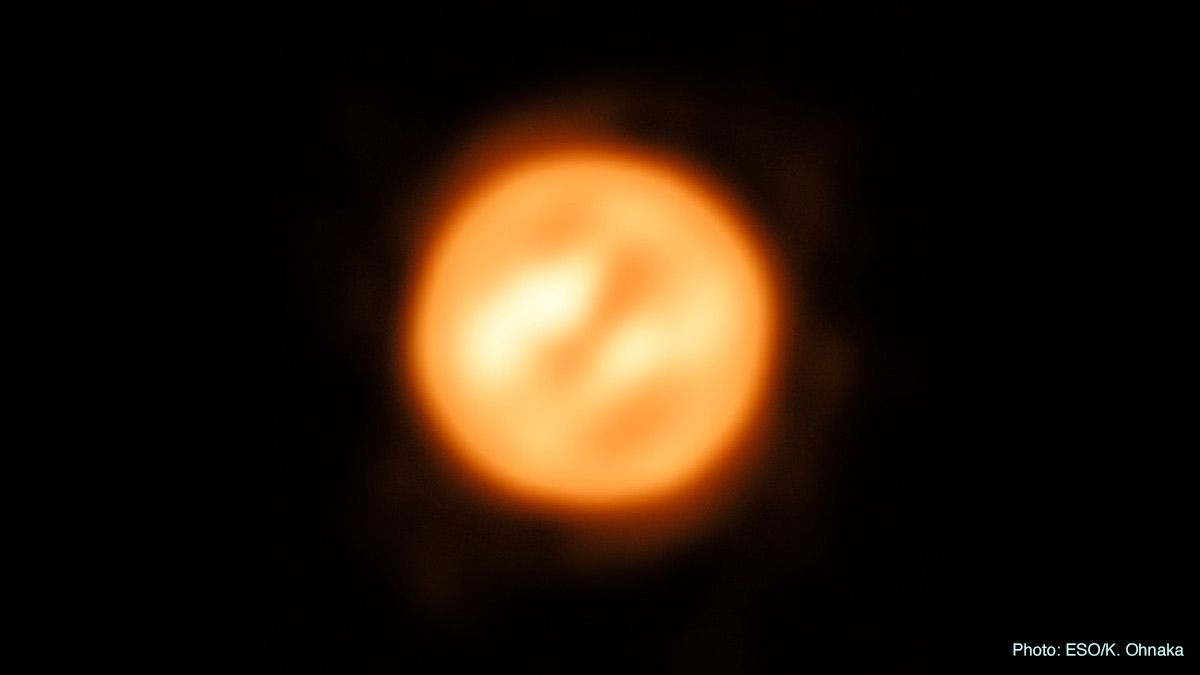
Follow a lifetime of stargazing from Denver to the Gulf Coast, as the red fire of Antares bridges decades of memory, solitude, and celestial wonder.
Ankaa: The Ember in Phoenix
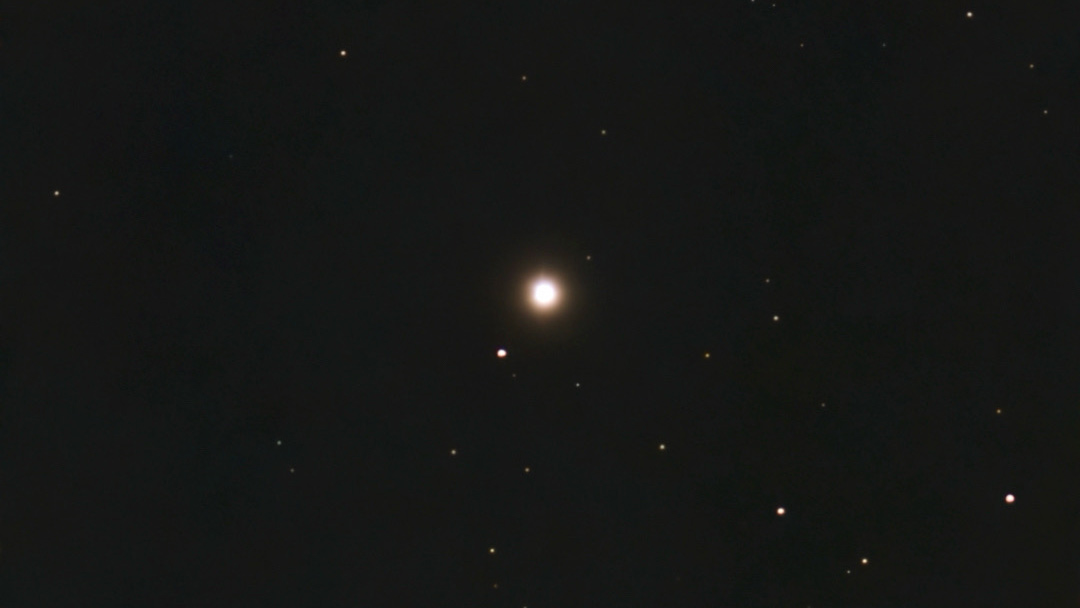
Discover Ankaa, a warm orange giant star in Phoenix. See where to find it, its history, and why it shines as a hidden gem of the southern sky.
Nu Boötis: The Pretty Optical Double Star in Boötes
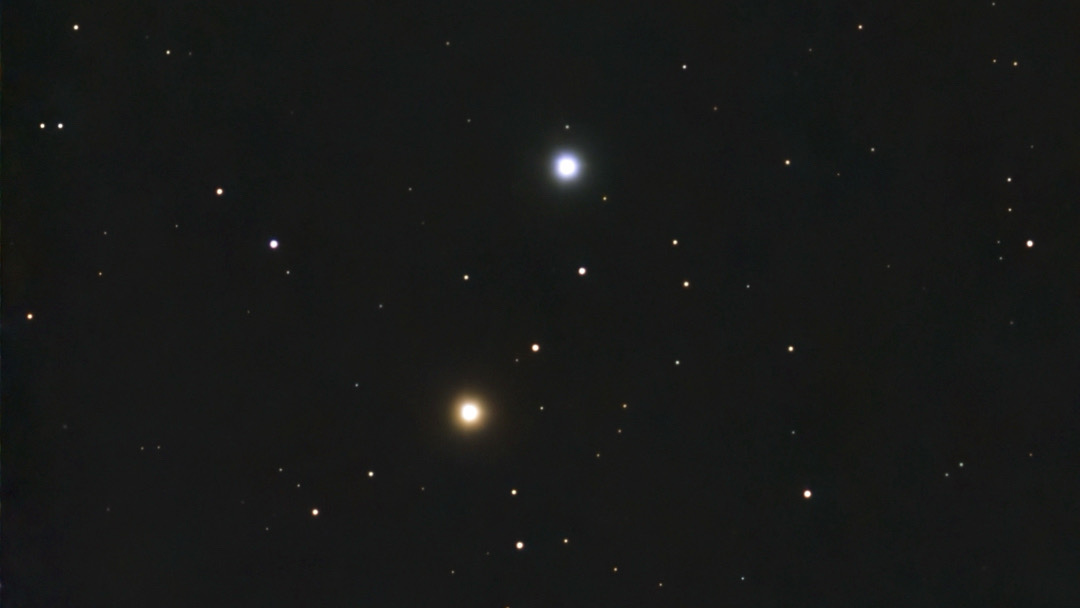
Nu Boötis, also known as Nu-1 and Nu-2 Boötis, is a striking optical double star in the constellation Boötes. This colorful star pair, visible in binoculars and small telescopes, delights stargazers with its contrasting magnitudes and beauty in spring and summer skies.
Fomalhaut: The Lonely Star of Autumn Skies
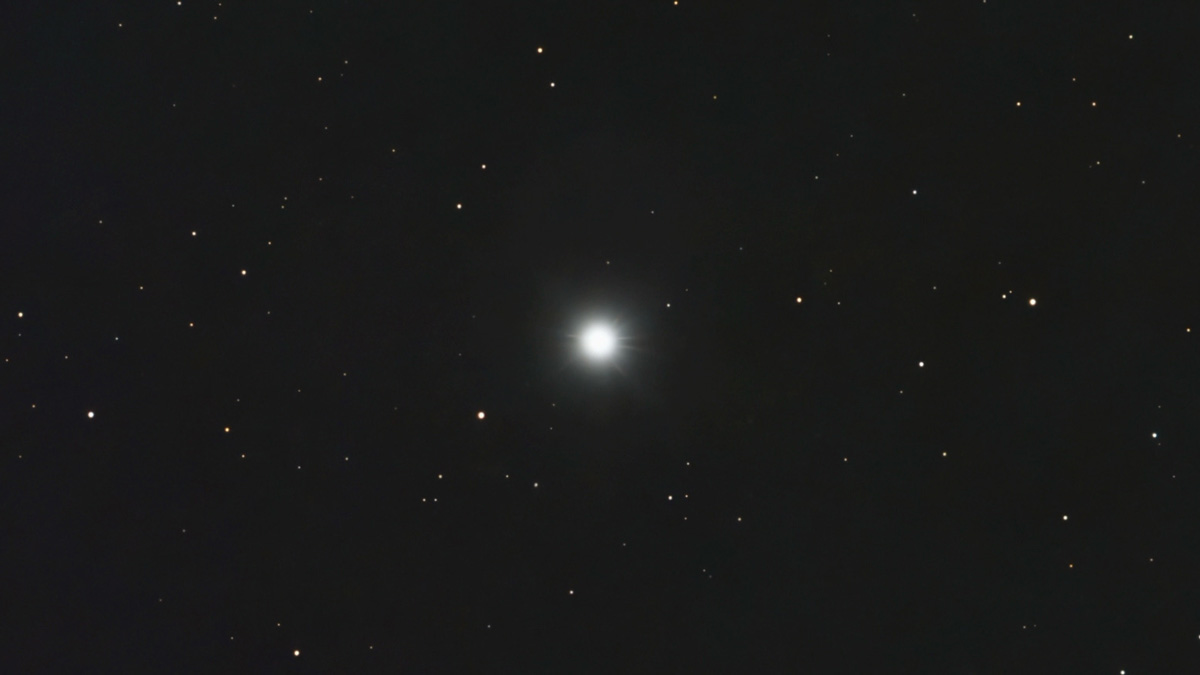
Learn how to find Fomalhaut, the Lonely Star of Autumn, and uncover its planetary disk and astronomy details for stargazers.
57 Aquilae: A Light Topaz Blue Double

Tucked away in the Eagle’s wing, 57 Aquilae shines as a quiet pair of stellar companions. I spent some time at the eyepiece with this beautiful double star—here’s what I saw and why it left an impression.
Messier 52 (NGC 7654): A Small Scorpion in Cassiopeia
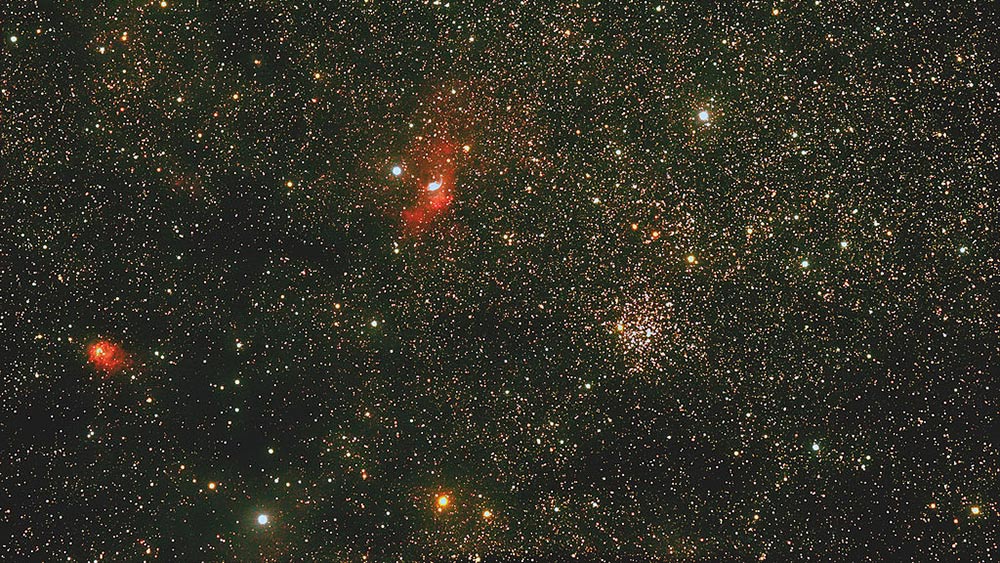
M52 is a condensed cluster of mostly faint stars sitting in the Milky Way sea of stars. This makes the object tougher to find.
Gamma Arietis (Mesarthim): An Icy Blue Double
Gamma Arietis is an icy-blue double star in the constellation Aries. The pair is best viewed in winter. At a magnitude of 3.86, urban stargazers will see the star with the naked eye.
Struve 79: A Delicate Pair in Andromeda’s Skies
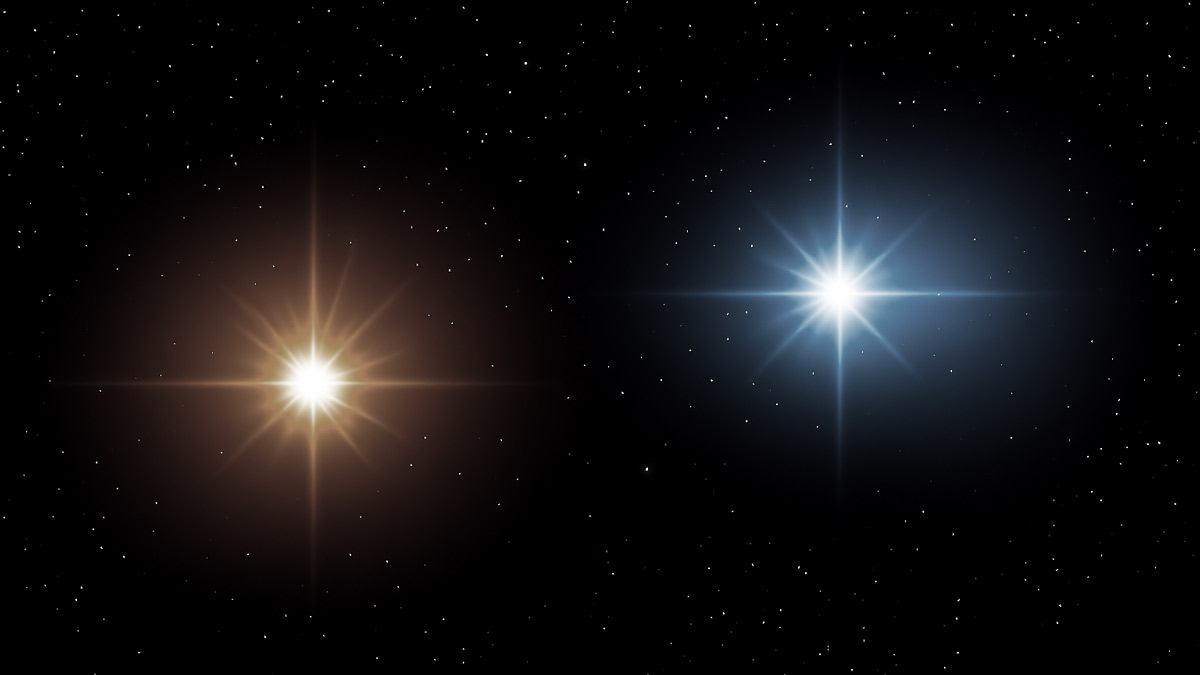
Discover Struve 79, a fascinating binary star in Andromeda. Explore its colors, magnitudes, and observing tips for stargazers. Also known as SAO 36833 and 164 Andromeda.
 The Garden Astronomer