
Beta Camelopardalis is a 4th magnitude double star in the constellation Camelopardalis, viewable much of the year as it circles close to the North Star. The binary is also known as 10 Cam, SAO 13351, HD 31910, HIP 23522.
Category Archives: Double/Multiple Stars
23 Orionis: The Hunter’s White-Blue Double
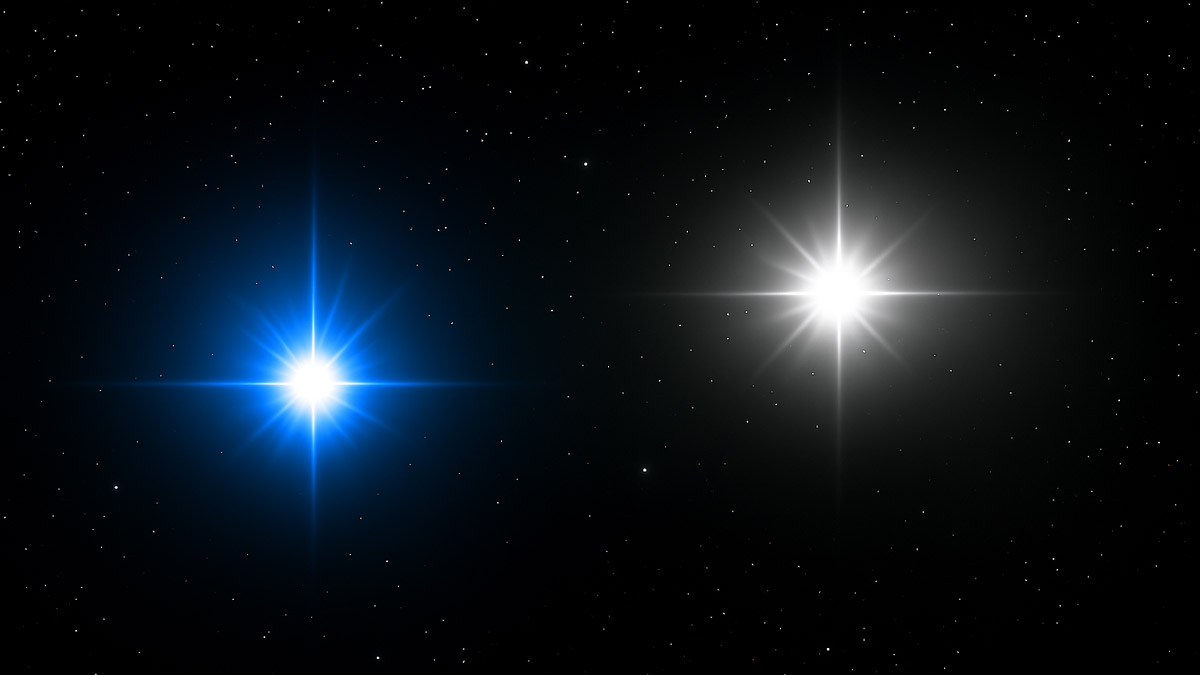
23 Orionis is a 4th magnitude double star in the Orion constellation best viewed on winter nights. Backyard astronomers under suburban skies should be able to split this nice white-blue pair with any scope or binoculars. Also designated as STF 696.
Struve 958: A Tight Binary of Star Twins
Struve 958 is a binary star in the Lynx constellation, best viewed on winter nights. Both of the stars in Struve 958 shine a vibrant white at a magnitude of 6.3, making them perfect twins.
Struve 764: Two White-Gray Pinpoints in Auriga
Struve 764 is a double star in the Auriga constellation, best viewed on winter nights.
The pair of stars that make up STF 64 are both off-white in color and are easily separated in the sky with a telescope. The primary star is a off-white, while the secondary star is white but with a touch of alluring green. Systems i also known as SAO 77383.
Struve 698: A Colorful Pair of Orange and Blue
Struve 698 is a double star with several great attributes: it’s colorful, bright, and fairly wide apart. A great target for backyard astronomers on cold winter nights.
m Persei: A Bright, Wide Pair of Stars
m Persei, also known as 57 Per, appears in the constellation Perseus and is best viewed on autumn or winter nights. It’s a wide, bright double star easily viewable from the suburbs with a telescope or binoculars.
Omega Aurigae: A Close Yellow & Orange Double Star
Omega Aurigae is both a variable and double star in the Auriga constellation best viewed on winter nights. It has a faint and close secondary star, but the pair are viewable with a modest telescope from the suburbs.
12 Lacertae: Crystal Blue Double
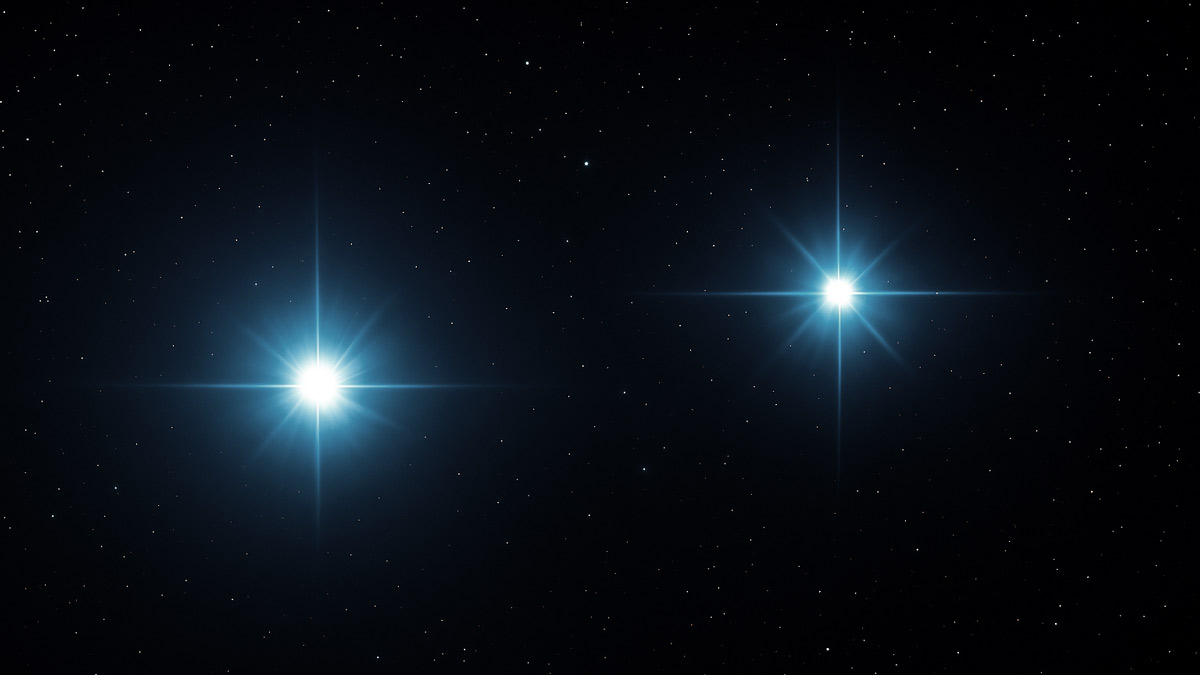
Discover 12 Lacertae, a crystal blue double star in Lacerta. The primary is a Beta Cephei variable (mag 5.16-5.28). Observations & key stats!
 The Garden Astronomer