
With many competing targets in the Orion neighborhood, it may be easy to overlook notable double stars such as Rigel and Struve 747 (also known by HR 1887). Struve 747 is a 4th magnitude double star in Orion and a worthy target on any winter night. When observing the pair, you’ll notice they are prettyContinueContinue reading “Struve 747: A Pair of Light Blue Topaz Stars”
Category Archives: Double/Multiple Stars
Rigel: Shine On, You Crazy Diamond

Rigel is one of the most popular stars in the sky as it marks the foot of thee constellation Orion. It is a blue-white supergiant star, and when you look at it closer, you’ll find a small companion star floating in Rigel’s glow.
118 Tauri: A Nice Double Star in Taurus
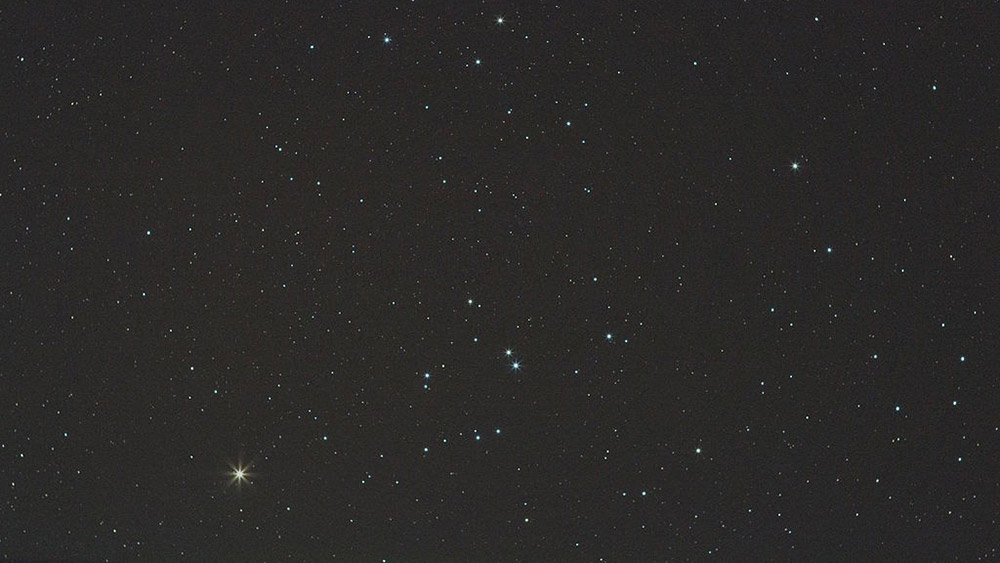
If you are sailing through Taurus with your telescope, be sure to stop by the blue-white star of 118 Tauri. With enough magnification, you’ll be able to see this is actually a double star, and it appears like a little animal with beady eyes is looking back at you. My Observations DateDecember 28, 2020Time8:10 p.m.LocationSeattle,ContinueContinue reading “118 Tauri: A Nice Double Star in Taurus”
Eta Cassiopeiae (Achird): A Colorful Double Star in Cassiopeia
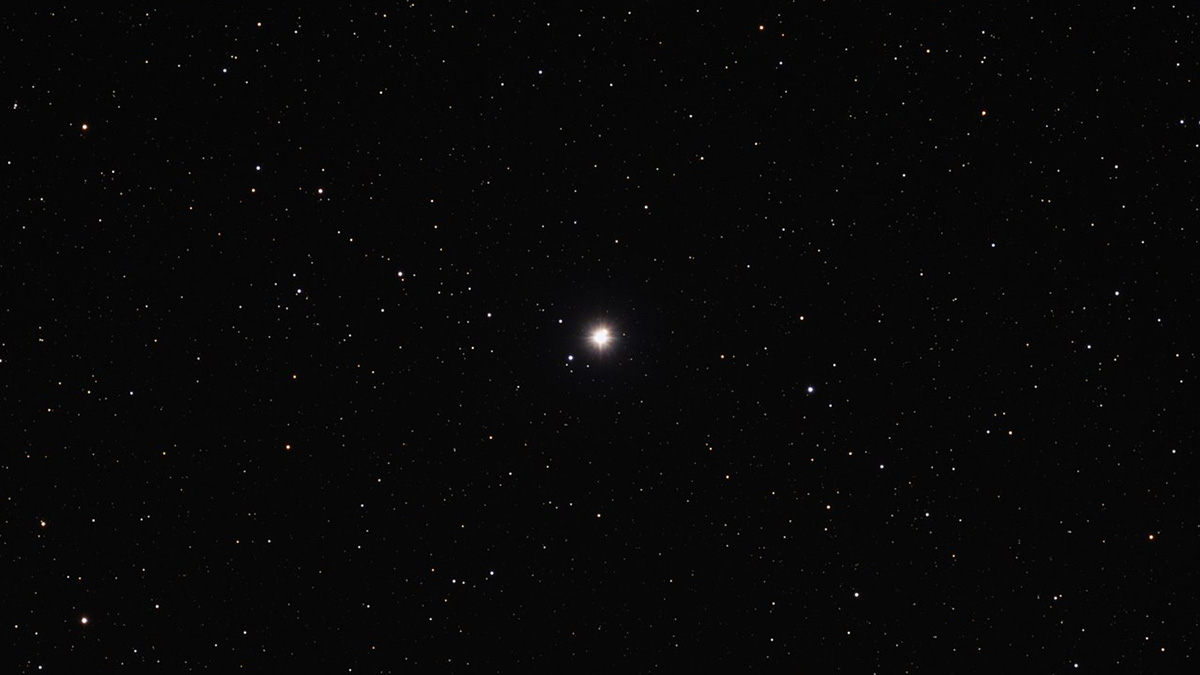
Eta Cassiopeiae, also known as Achird, is a double-star system in the constellation Cassiopeia. It’s best viewed in autumn through early winter. What’s also notable is how close Achird is to us. Relatively, this double is very close at only 19 light-years away.
16 Cygni: A Double Dose of Yellow Stars in Cygnus

16 Cygni is a double star system in the constellation Cygnus. It’s best viewed in summer through early autumn. By the way, Cygnus is also known as the Northern Cross. 16 Cygni is the right-hand star in the cross. With a small telescope, you’ll be able to see this nice pair of sun-like stars. Known as SAO 31898.
Almach: Binary Star Jewel in the Heavens

This pair truly rivals the stunning Alberio double! In fact, I may like this double even more. The color contrast showing through my scope tonight is remarkable.
Gamma Delphini: A Pretty Double Star in Delphinus

Gamma Delphini is a double star system in the constellation Delphinus. It’s best viewed in summer and early autumn. While not as famous or startling as the double star Albireo, Gamma Delphini is a worthy binary not to be missed, as the double stars Gamma-1 and Gamma-2 make a colorful pair. In my case, IContinueContinue reading “Gamma Delphini: A Pretty Double Star in Delphinus”
Epsilon Lyrae: Four Stars for the Price of Two — A Double Double

Epsilon Lyrae is a double binary system in the constellation Lyra. It’s best viewed in summer through early autumn. While some doubles are notable because of contrasting color, Epsilon Lyrae holds a surprise for first-time observers. On first look through binoculars or small scopes, you’ll see a pair of stars. Take a closer look, andContinueContinue reading “Epsilon Lyrae: Four Stars for the Price of Two — A Double Double”
 The Garden Astronomer