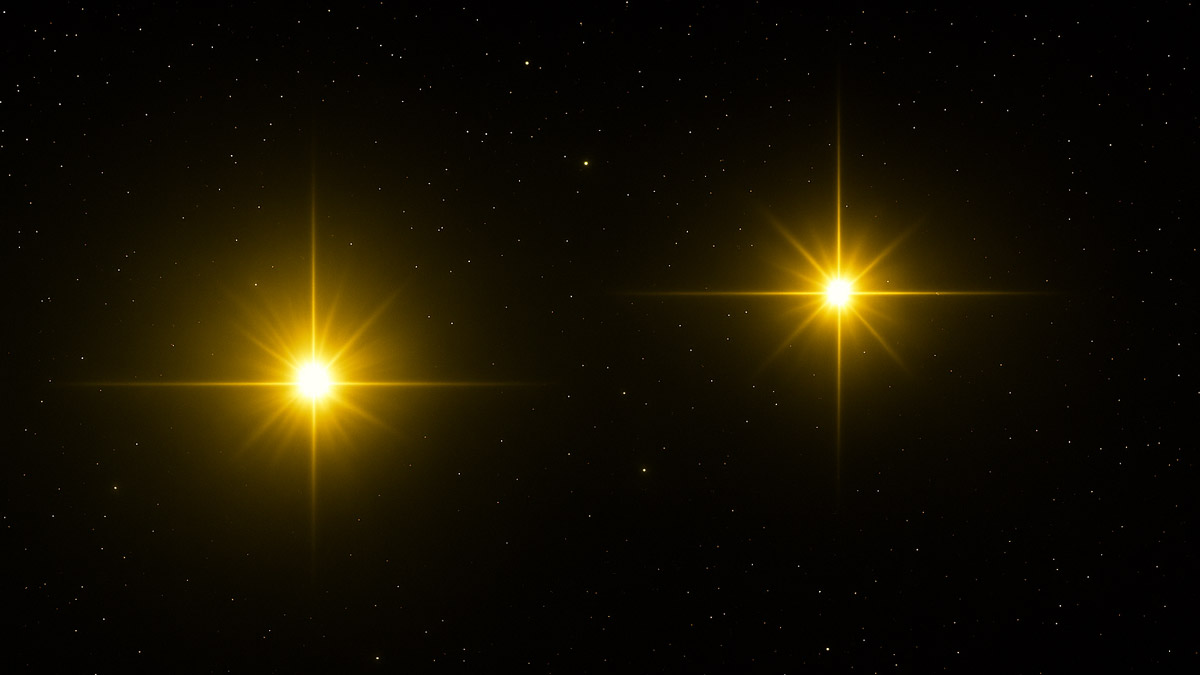
Learn about Marsic (Kappa Herculis) and see how it looks through an 8-inch SCT scope when viewed from a suburban location. Marsic is an optical double star in the constellation Hercules and best viewed in summer.
Category Archives: Double/Multiple Stars
T Coronae Borealis (The Blaze Star): Observing Before Explosion in 2024

The binary star T Coronae Borealis is expected to go nova in 2024. To prepare for this stellar event, I share why it’s special and share how the star appears before it explodes using an astrophoto and a sketch taken from my backyard in Seattle in June 2024. The binary is also registered as T CrB, SAO 84129, HR 5958, HD 143454, HIP 78322.
Struve 730: Double Star in Taurus

Get a close look at STF 730, a nearly equal double star perfect for winter observing. This article includes my own telescope sketch and notes on the subtle color contrast between the faintly blue primary and white secondary. Ideal for double star enthusiasts building their observing lists.
Struve 3116: A Tight Double Star in Canis Major

Learn about the tight double star Struve 3116—its close 3.9″ separation, blue-white components, and observing tips. This article also includes my personal sketch so you can see how the pair appears through the eyepiece. Known as SAO 151401, HD 44458.
Altair: A Bright, Fast-Spinning Beacon in the Summer Sky

Discover Altair, one of the brightest stars in the Summer Triangle. This blog explores its rapid spin and includes a personal telescope sketch for stargazing enthusiasts.
ARY 33 (HD 224612): A Wide Double Star in Cassiopeia
Explore the wide double star ARY 33 in Cassiopeia—its characteristics, discovery history, and tips for amateur stargazers to observe this unique stellar pair.
Schedar: The Bright Heart of Cassiopeia

Explore the bright orange star Schedar (α Cassiopeiae) in Cassiopeia. Discover its key facts, visual companions, and a personal observation guide for amateur astronomers. Also known as Alpha Cass and SAO 21609, α Cas, HIP 3179, HR 168, HD 3712, 18 Cas, GC 792
Nu Boötis: The Pretty Optical Double Star in Boötes
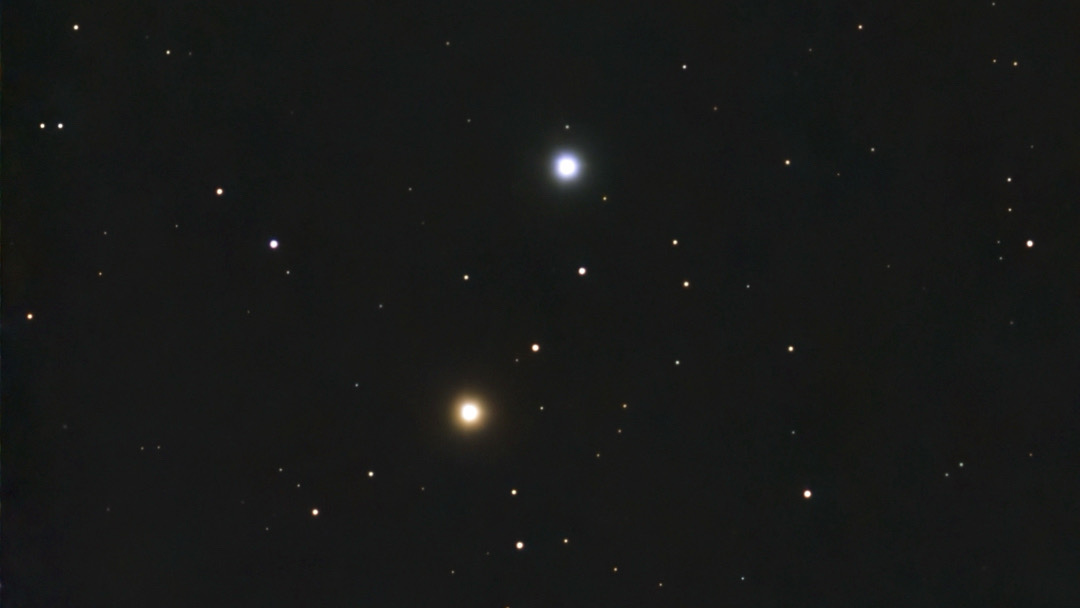
Nu Boötis, also known as Nu-1 and Nu-2 Boötis, is a striking optical double star in the constellation Boötes. This colorful star pair, visible in binoculars and small telescopes, delights stargazers with its contrasting magnitudes and beauty in spring and summer skies.
 The Garden Astronomer