
The constellation Ophiuchus features the binary star 61 Ophiuchi, a bright pair visible through small telescopes. Discovered by Herschel in 1781, it is cataloged as STF 2202. The stars, classified as hot and white, exhibit an angular separation of 20.7 arcseconds, making them accessible and visually appealing to amateur astronomers. Also known as 61 Oph, Struve 2202, STF 2202, SAO 122690, HD 161270, HR 6609, HIP 86831
Category Archives: Double/Multiple Stars
Struve 2007: Exploring the Colorful Double in Serpens
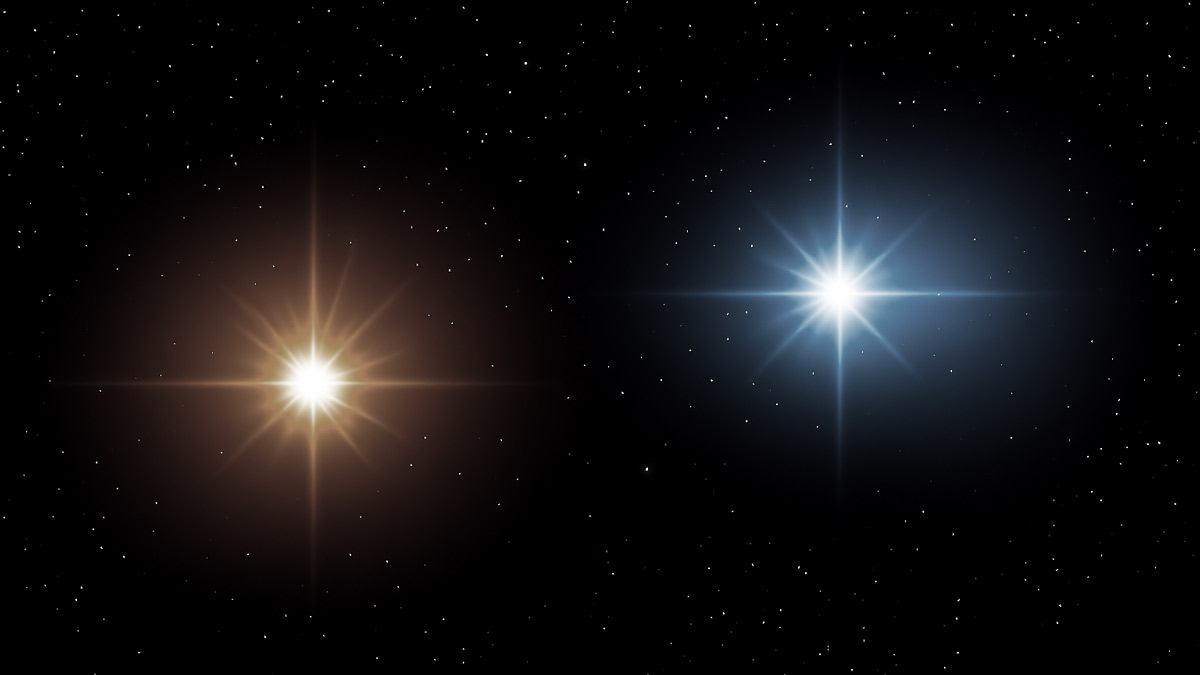
Struve 2007 (STF 2007) is a double star in Serpens Caput, first documented in 1823. The closer AB pair features a yellowish-white primary and a blue secondary, while an AC component forms a wider triple. It’s visually appealing and accessible for telescopic observation, particularly noted for its striking colors and separation. Also known as SAO 101922, HD 144563, HIP 78873, STF 2007.
Struve 1931: Exploring the White Binary Star in Serpens
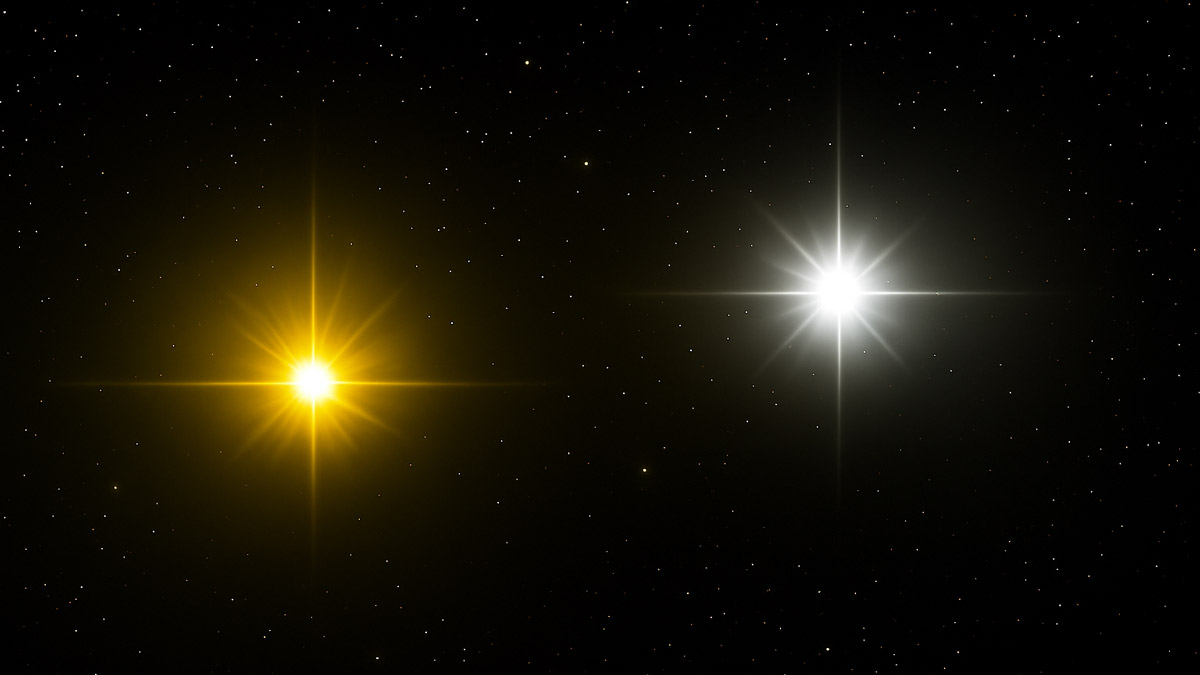
Struve 1931, situated in the Serpens constellation, is a binary star system ideal for mid-northern observations during spring and summer. With magnitudes of 7.2 and 8.0, it’s visible through small telescopes. The primary is an F7V star, while the secondary is a G3V star, displaying a striking color contrast.
HD 118266: An Attractive Orange and Dim Blue Binary in Virgo
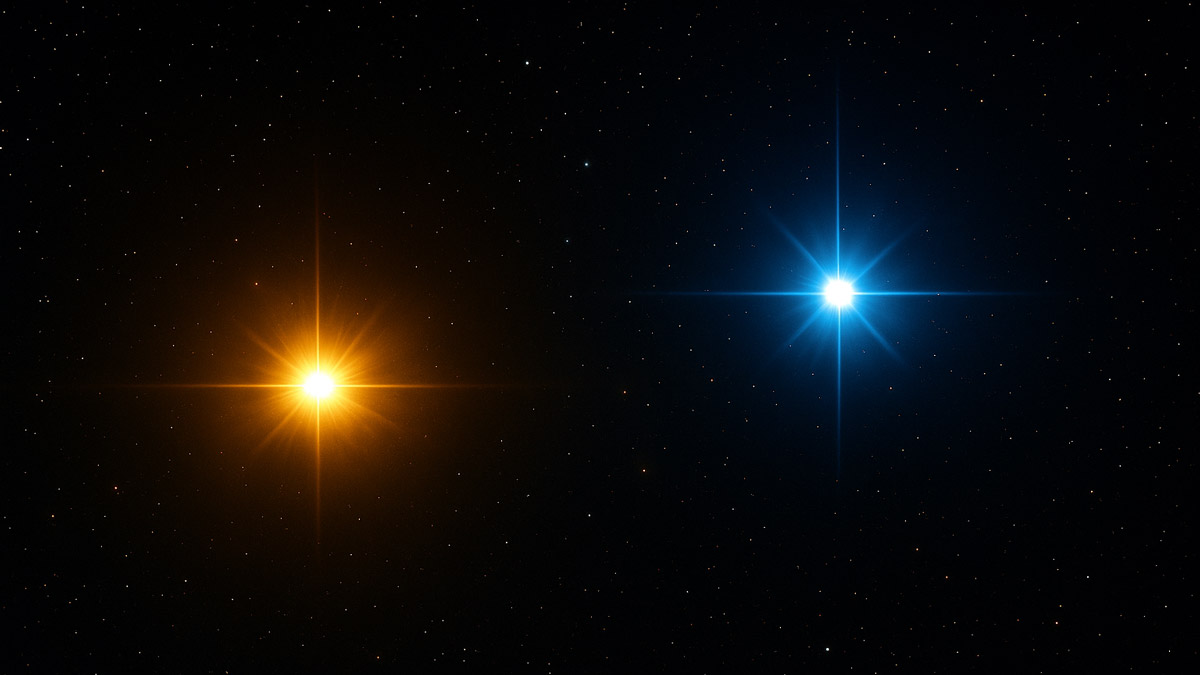
Learn about the pretty double star HD 118266 in the constellation Virgo viewed on spring nights. The star also known as HJ 228, is a binary star that has a orange primary and a dimmer blue companion that lies far apart enough for smaller scopes to observe. It’s also known as SAO 100630, HIP 66326, HR 5114.
Graffias (Beta Scorpii): A White and Baby Blue Pair in Scorpius

Learn about the pretty double star Graffias (Beta Scorpii) in the constellation Scorpius viewed on summer nights and popular with astronomers. The star also known as Acrab is viewed with the naked eye and a moderate telescope resolves a double star of blue and white. The star is also designated by the following names: 8 Sco, Elacrab, HD 144217, HIP 78820, HR 5984, Bet1 Sco, Grafias, SAO 159682
23 Ursae Majoris: A Stellar Duo in The Great Bear
Ursa Major is a familiar sight in the northern night sky, home to the easily recognizable Big Dipper. While the stars of the Dipper often steal the show, the constellation is filled with other fascinating celestial objects, including one of my favorite galaxies, M51. Amongst all these significant objects is the binary star system 23ContinueContinue reading “23 Ursae Majoris: A Stellar Duo in The Great Bear”
59 Cygni: A Vibrant Blue-White Multiple Star
The constellation Cygnus, the swan, has its fair share of double stars, including the magnificent Albireo. The multiple star 59 Cygni joins this family of stars and is viewable during summer and autumn. The primary is a vibrant blue-white color. The binary is also known as 59 Cyg, STF 2743, V832 Cyg, HR 8047, SAO 50335, HD 200120.
Struve 2446: A Quaint Yellow and White Binary in Aquila
Backyard astronomers can spot the binary star Struve 2446 in the constellation Aquila during late summer and early autumn nights. Cataloged by Friedrich von Struve in 1825, the pair is visible under dark conditions. Struve 2446 A appears pale yellow while Struve 2446 B is fainter, offering a rewarding telescope experience. Also known as STF 2446, Σ2446, HD 177749, SAO 124257
 The Garden Astronomer