
Within the constellation Canes Venatici, or NGC 4258, is Messier 106 with it’s arms made of gas and dust. Most observers with a modest telescope can make out Messier 106’s relatively bright and distinct structure. And speaking of structure, one of the most fascinating aspects of M 106 is its unique arms. Unlike typical spiral galaxies where the arms are composed mainly of stars, the extra arms of M106 are composed of vast amounts of gas.
Category Archives: Galaxies
NGC 3115: The Spindle Galaxy with a Supermassive Black Hole

Within the constellation Sextans, the Spindle Galaxy, or NGC 3115, is observed edge-on from Earth, displaying a lens-like appearance. Discovered by William Herschel in 1787, it is a lenticular galaxy with a central bulge housing a supermassive black hole. Despite its massive size, the black hole shows subdued behavior, emitting faint radiation. Observations in March 2024 in Seattle revealed its distinct appearance, in line with previous descriptions.
Messier 71 (NGC 6838): A Globular Cluster Close to Home
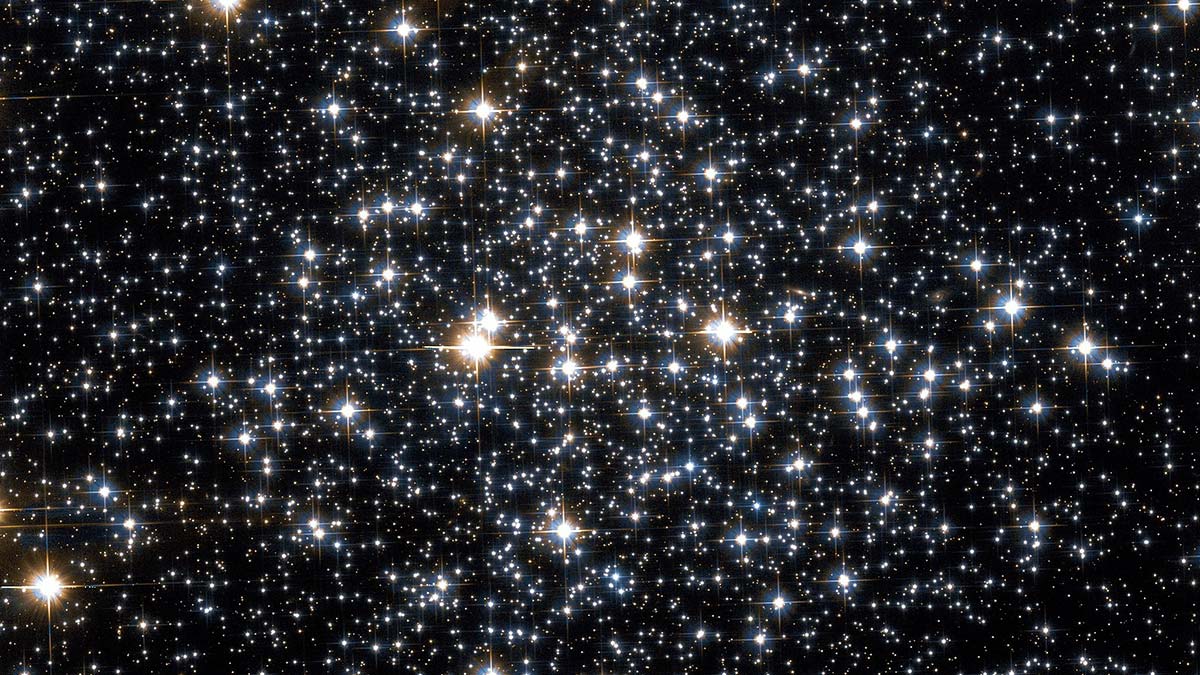
Globular clusters like Messier 71 (M71) make for great targets. With a pair of binoculars away from bright city lights, an observer can see M71 as a fuzzy patch. Move up to the telescope (say 4 inches in diameter and larger), and you can start to make out some individual stars. For a long time,ContinueContinue reading “Messier 71 (NGC 6838): A Globular Cluster Close to Home”
Messier 101: The Pinwheel Galaxy and Brilliant Supernova SN 2023ixf

On May 19, 2023, a bright supernova appeared in one of the Pinwheel’s spiral arms. A week after, I captured it with my DSLR camera.
Messier 58 (NGC 4579): Messier’s Most Distant Object
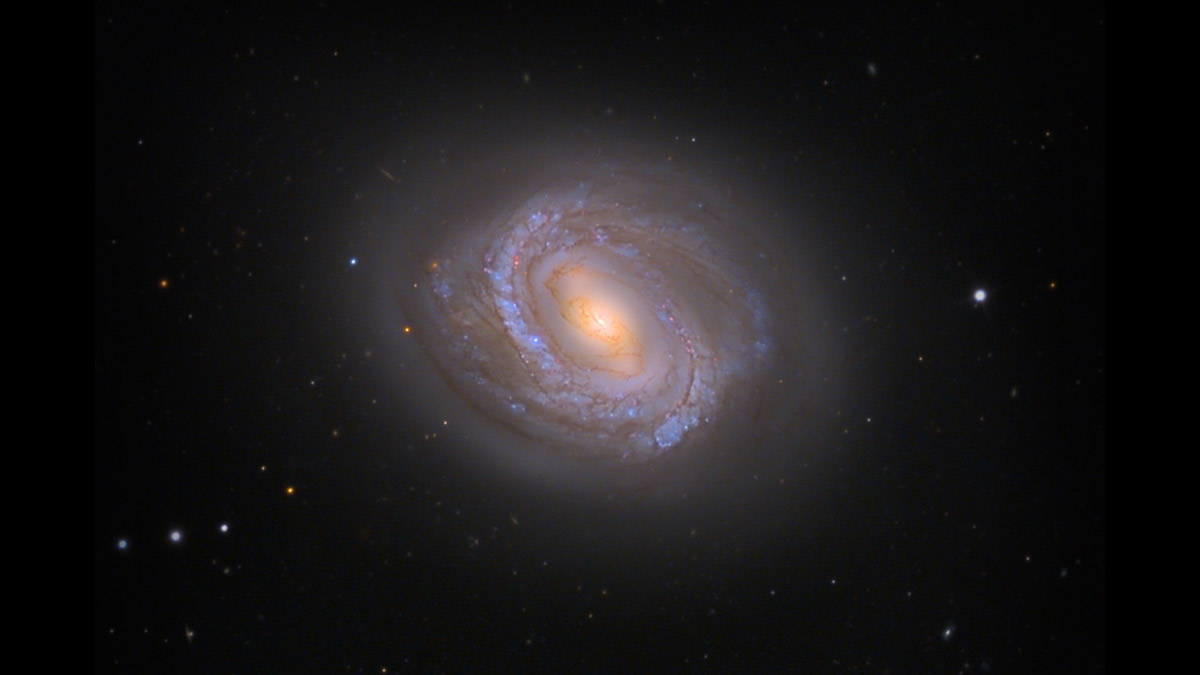
Messier 58 (M58) is barred spiral galaxy in the Virgo constellation. It shows as a faint patch of light in moderate scopes from suburban backyards.
Messier 59 (NGC 4621): A Large Elliptical Galaxy in Virgo
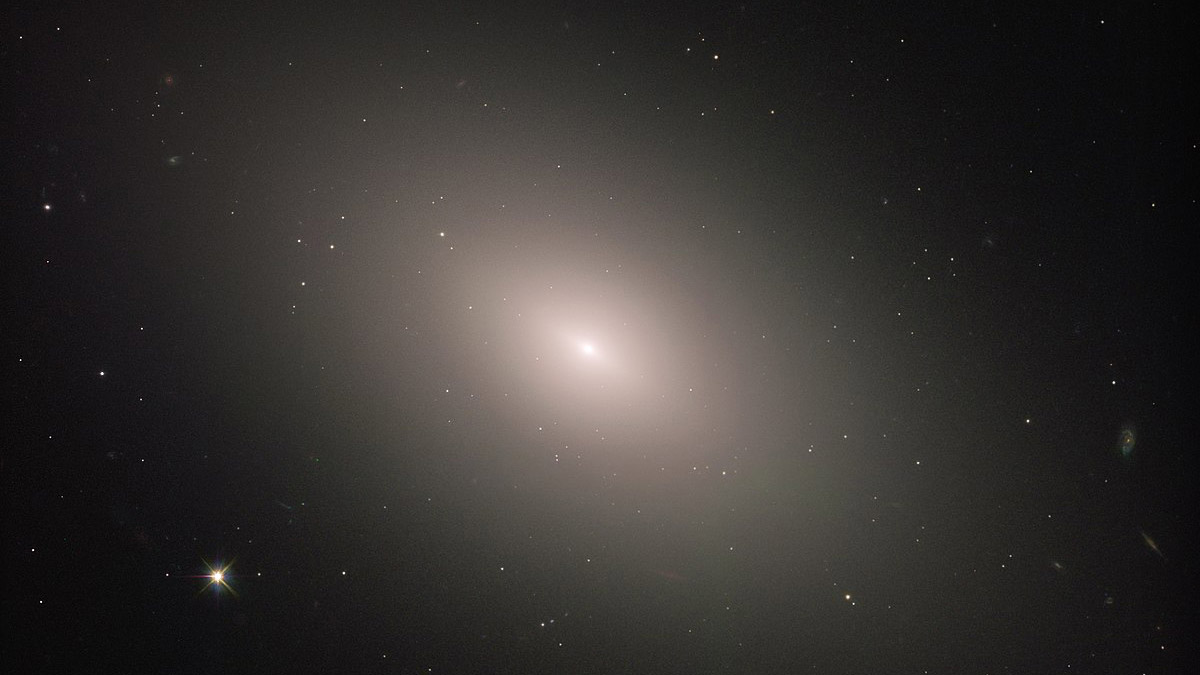
Messier 59 (M59) is an elliptical galaxy in the Virgo constellation. It shows as a faint patch of light in moderate scopes from suburban backyards.
Messier 32 (NGC 221): Le Gentil—A Galaxy in our Neighborhood

Messier 32 (M32, NGC 221), is a dwarf elliptical galaxy best viewed in the fall. It lies in the Andromeda constellation.
NGC 7331 (Caldwell 30): The Milky Way’s Twin

NGC 7331, also known as Caldwell 30, is a non-barred spiral galaxy in the constellation Pegasus, best viewed during autumn. One can make out the distant cousin as a smudge in smaller scopes.
 The Garden Astronomer