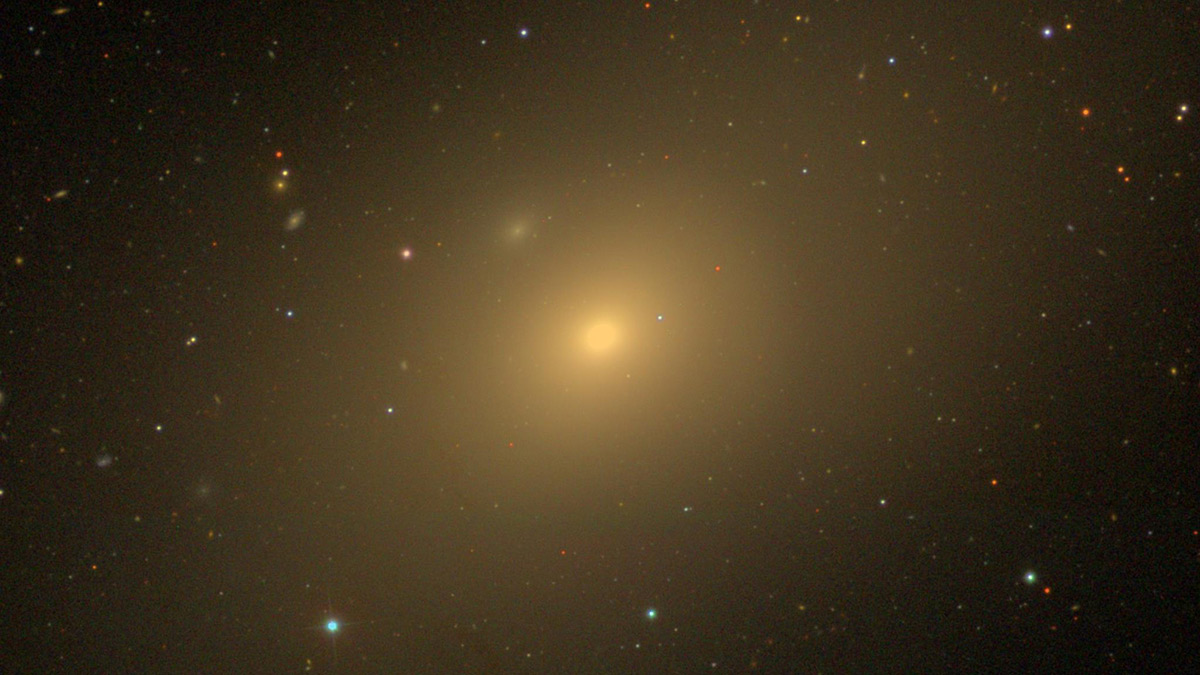
Astronomers are unsure which is the best description for Messier 86 as it falls between an elliptical or a lenticular galaxy. It resides in the Virgo constellation and is best viewed in spring. As I mentioned in my post on Messier 60, the galaxies in Virgo played an essential role in Edwin Hubble’s research inContinueContinue reading “Messier 86 (NGC 4406): A Galaxy Not Running Away”
Category Archives: Galaxies
Messier 94 (NGC 4736): The Cat’s Eye Galaxy

Messier 94 is a spiral galaxy with two distinct rings. It also continues to perplex astronomers as it has little to no dark matter.
Messier 64 (NGC 4826): The Black Eye Galaxy

As NASA points out, M64, or the Black Eye galaxy, is characterized by its bizarre internal motion. The gas in the outer regions of this remarkable galaxy is rotating in the opposite direction from the gas and stars in its inner regions.
Messier 66 (NGC 3627): A Galaxy Member of the Leo Triplet
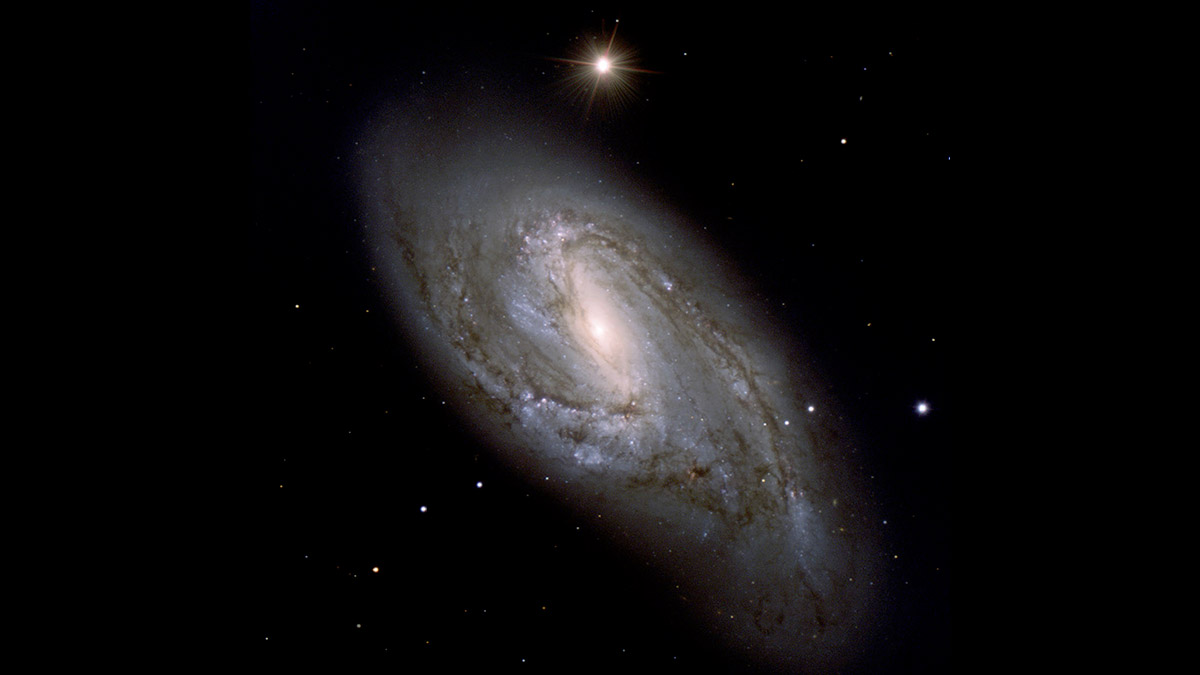
Messier 66 is best viewed during early springtime. It’s is part of the astronomical family of galaxies called the Leo Triplet.
Messier 82 (NGC 3034): The Cigar Galaxy

As I stare into the eyepiece, my mind wonders; I imagine the flurry of star creation and enormous, unimaginable energy in the wispy image.
Messier 81 (NGC 3031): Bode’s Galaxy

Messier 81 is a spiral galaxy in Ursa Major. It’s best viewed in the spring. Galaxies are often faint and tough to see from suburban skies. However, Bode’s Galaxy is bright enough to see using smaller scopes and is a great object for amateur astronomers starting out in the hobby. Its spiral arms, the brightContinueContinue reading “Messier 81 (NGC 3031): Bode’s Galaxy”
Messier 31 (NGC 224): That’s No Nebula! That’s a Galaxy! Welcome to Andromeda
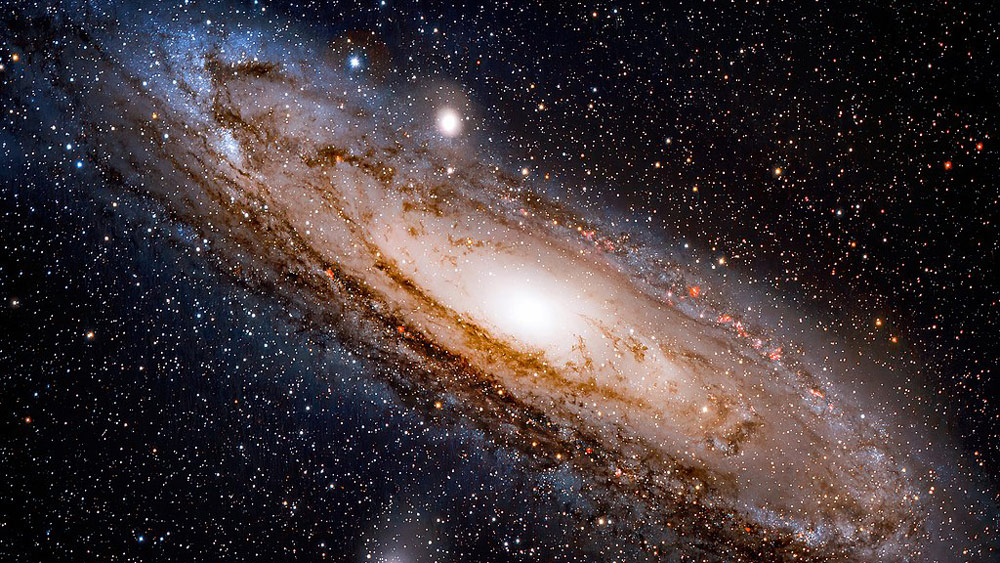
Andromeda is the most distant thing humans can see with the unaided eye. Also, it’s of great historical significance for helping astronomers understand the grand scheme of the universe.
Messier 51: The Great Whirlpool

Few galaxies are a breathtaking as the majestic Whirlpool Galaxy in the springtime sky near the Big Dipper.
 The Garden Astronomer