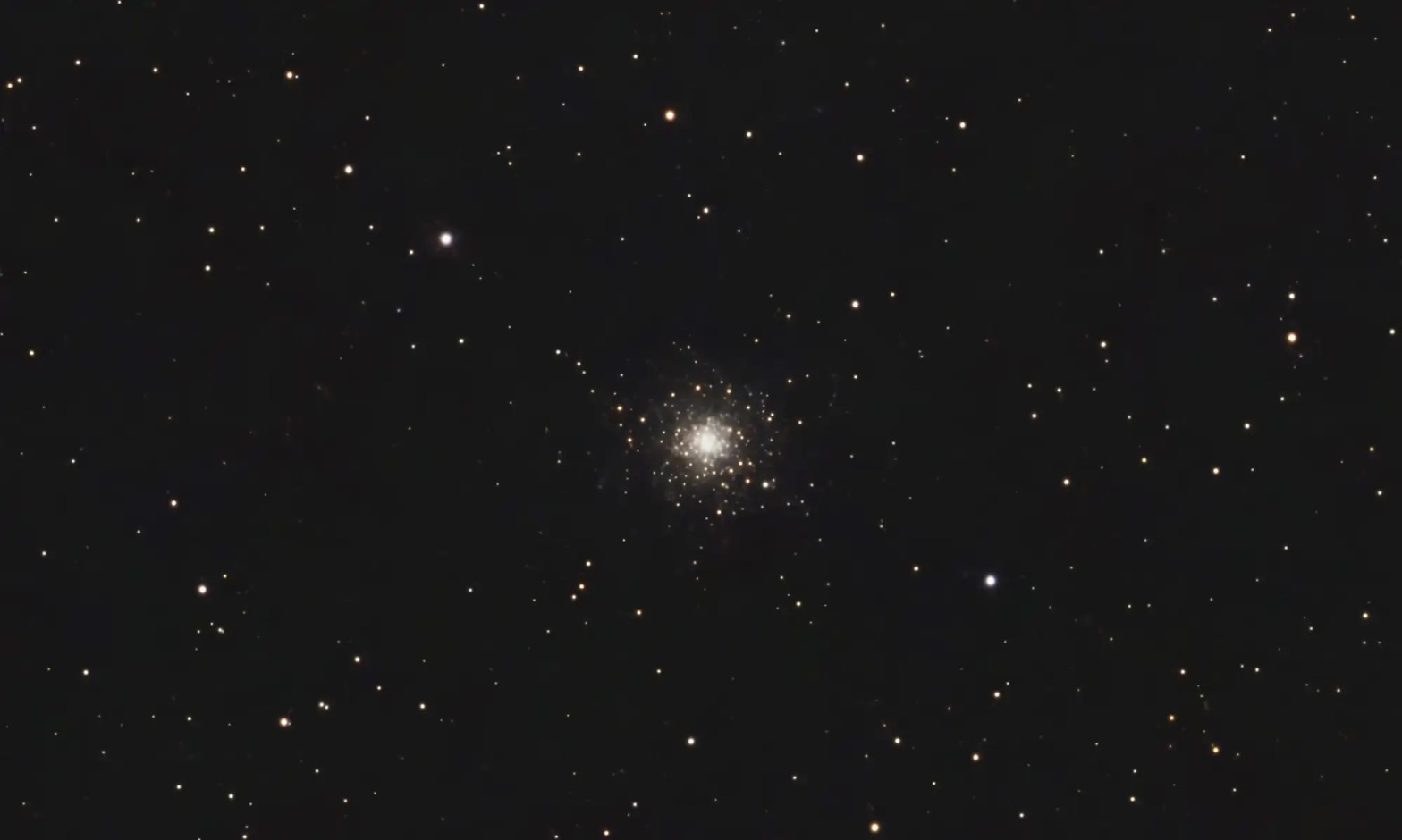
Messier 79 is a winter globular cluster in Lepus that may have originated outside the Milky Way entirely — a true rogue hiding below Orion’s feet.
Category Archives: Globular Clusters
Messier 75 (NGC 6864): A Dense Globular Cluster in Sagittarius
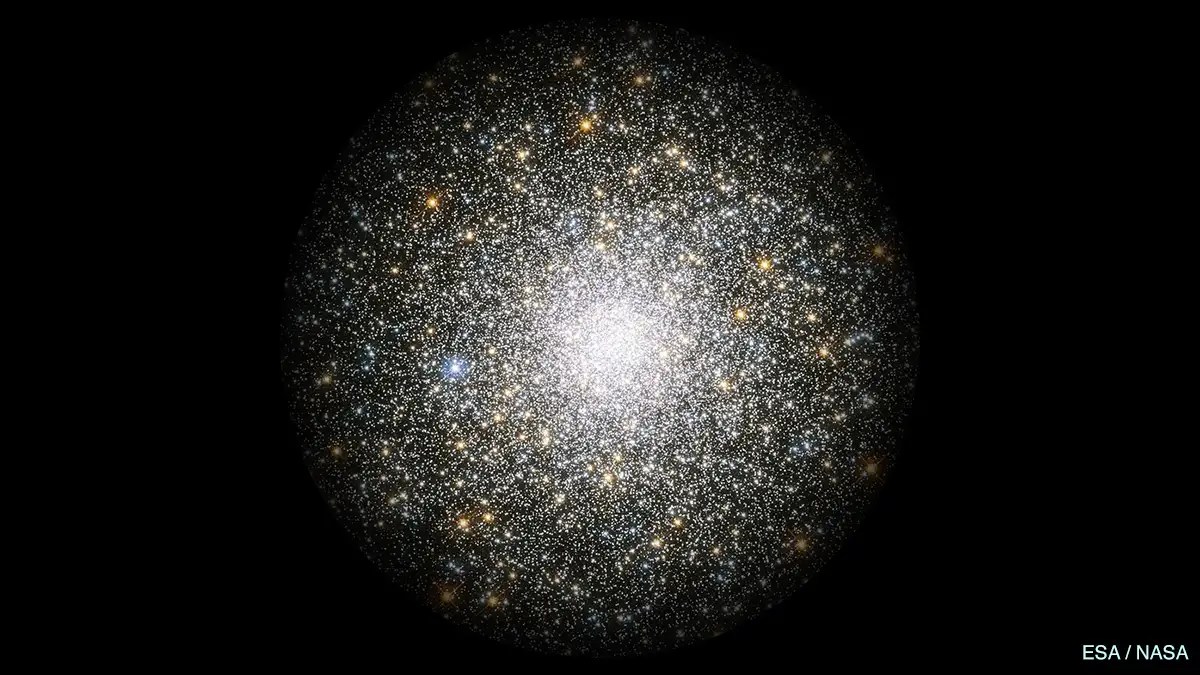
Explore Messier 75 globular cluster viewed through an 8-inch telescope, showing its dense core and surrounding stars in Sagittarius.
Messier 2 (NGC 7089): One of the Largest Globular Clusters in the Sky

Explore Messier 2 (M2), a stunning globular cluster in Aquarius. See its 150,000 stars through a sketch, photo, and observing tips for fall skies.
Messier 30 (NGC 7099): The Jellyfish Globular Cluster
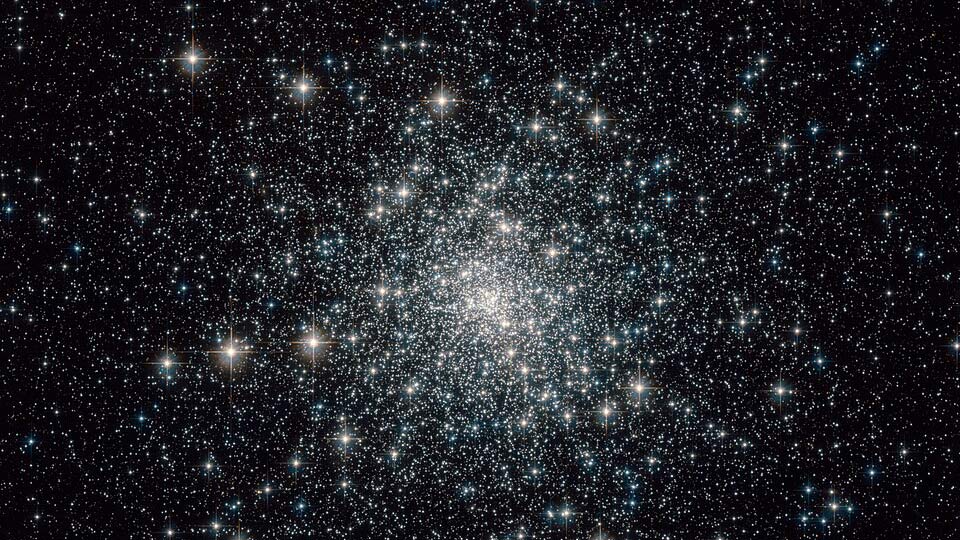
Explore Messier 30, a stunning globular cluster in Capricornus, with insights into its history, structure, and observing tips. Includes a personal sketch and photo from my own telescope observations.
Antares: Across the Skylines
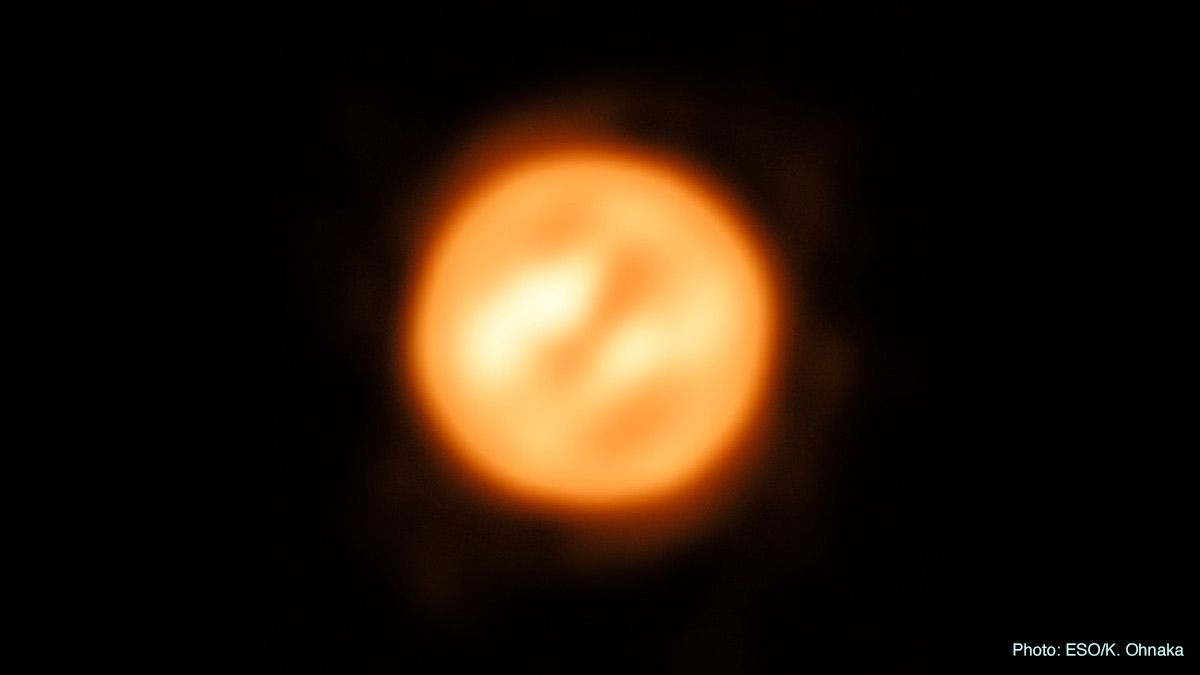
Follow a lifetime of stargazing from Denver to the Gulf Coast, as the red fire of Antares bridges decades of memory, solitude, and celestial wonder.
Messier 80 (NGC 6093): A Stellar Beehive in Scorpius
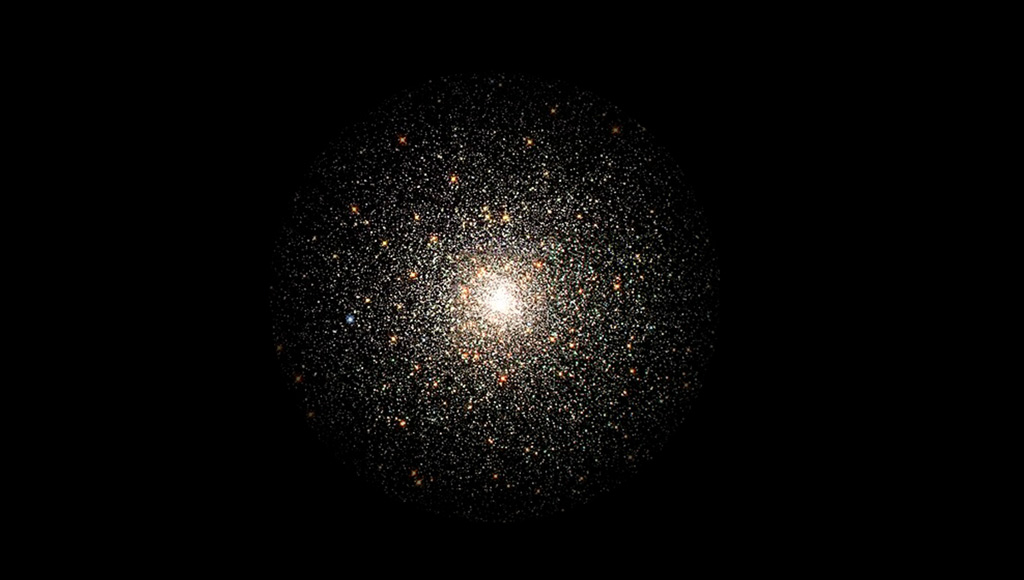
Discover the beauty of Messier 80, a dense globular cluster near the Milky Way’s center, perfect for stargazers and amateur astronomers. Learn and see how M80 is viewed through a visual and electronic telescope such as Seestar S50.
NGC 7006: The Ancient Lantern at the Rim of the Galaxy

NGC 7006, an elusive globular cluster located 135,000 light-years away in the constellation Delphinus, offers a unique challenge for amateur astronomers. Its faint visual magnitude of 10.6 makes it hard to detect, revealing a compact cluster over time through powerful telescopes. Observing it connects viewers with distant cosmic history. Also known as Caldwell 42.
Messier 22 (NGC 6656): A Cosmic Heavyweight Just Off the Teapot

Messier 22 (M22) is a bright and nearby globular cluster in Sagittarius, notable for its unique features such as a planetary nebula and two black holes. Discovered by Abraham Ihle in 1665 and later cataloged by Charles Messier in 1764, M22 provides insights into the early Milky Way and is ideal for observation. Also known as NGC 6656.
 The Garden Astronomer