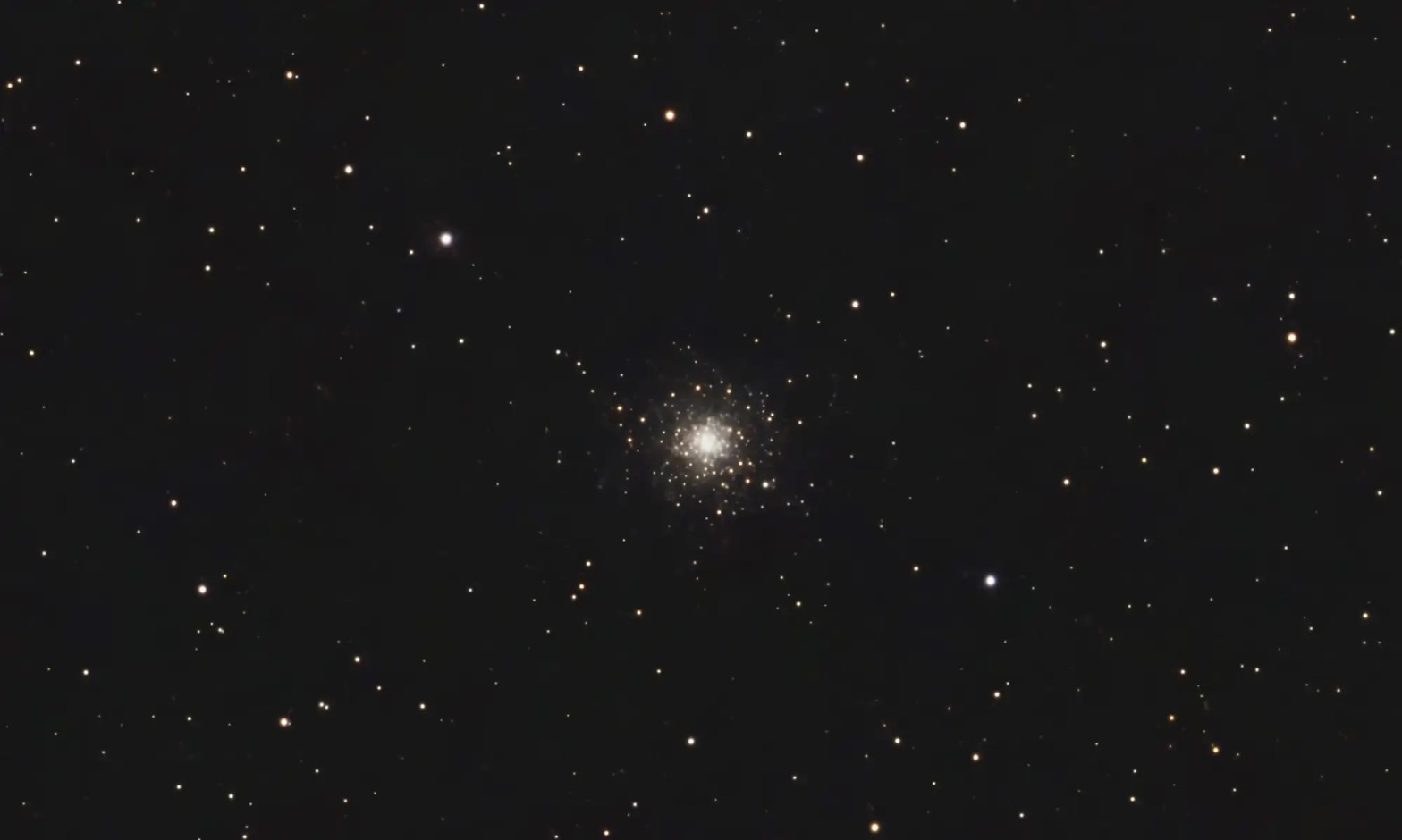
Messier 79 is a winter globular cluster in Lepus that may have originated outside the Milky Way entirely — a true rogue hiding below Orion’s feet.
Category Archives: Messier Objects
Messier 93: The Wedge-Shaped Open Cluster in Puppis
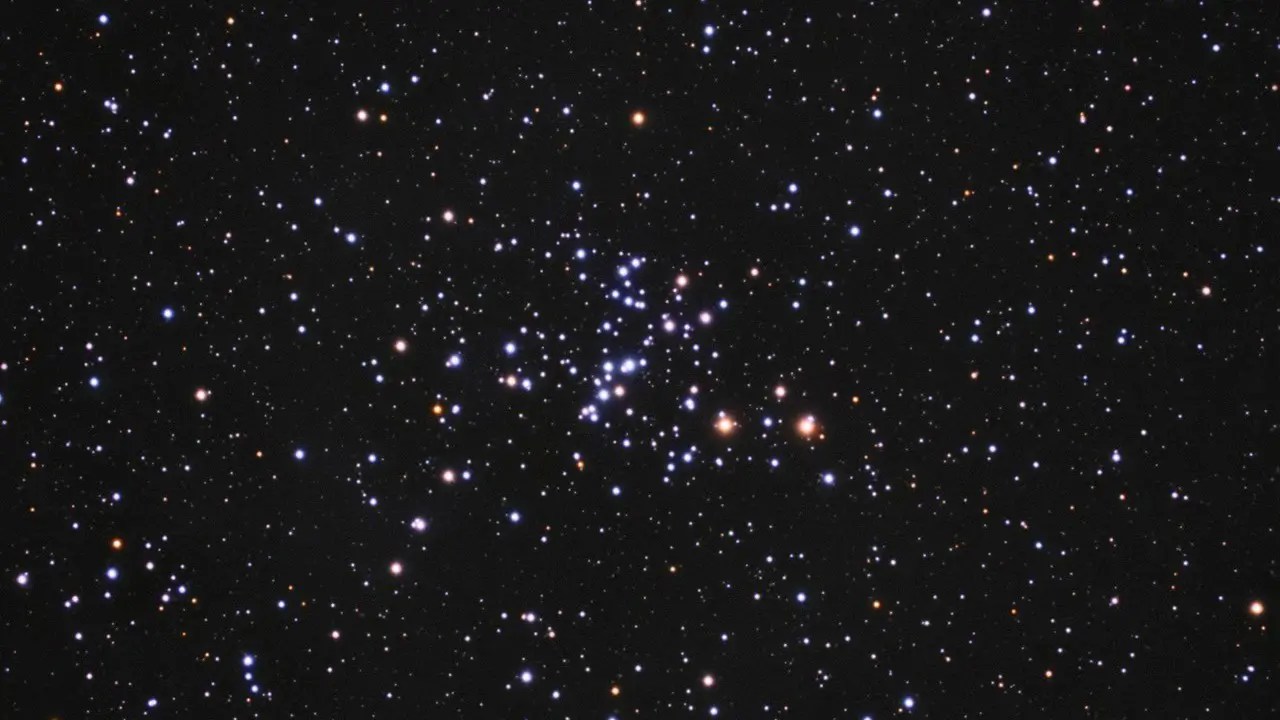
Learn about Messier 93, a wedge-shaped open star cluster in Puppis—its history and how to observe it with binoculars or a telescope.
Messier 76: The Little Dumbbell Nebula in Perseus
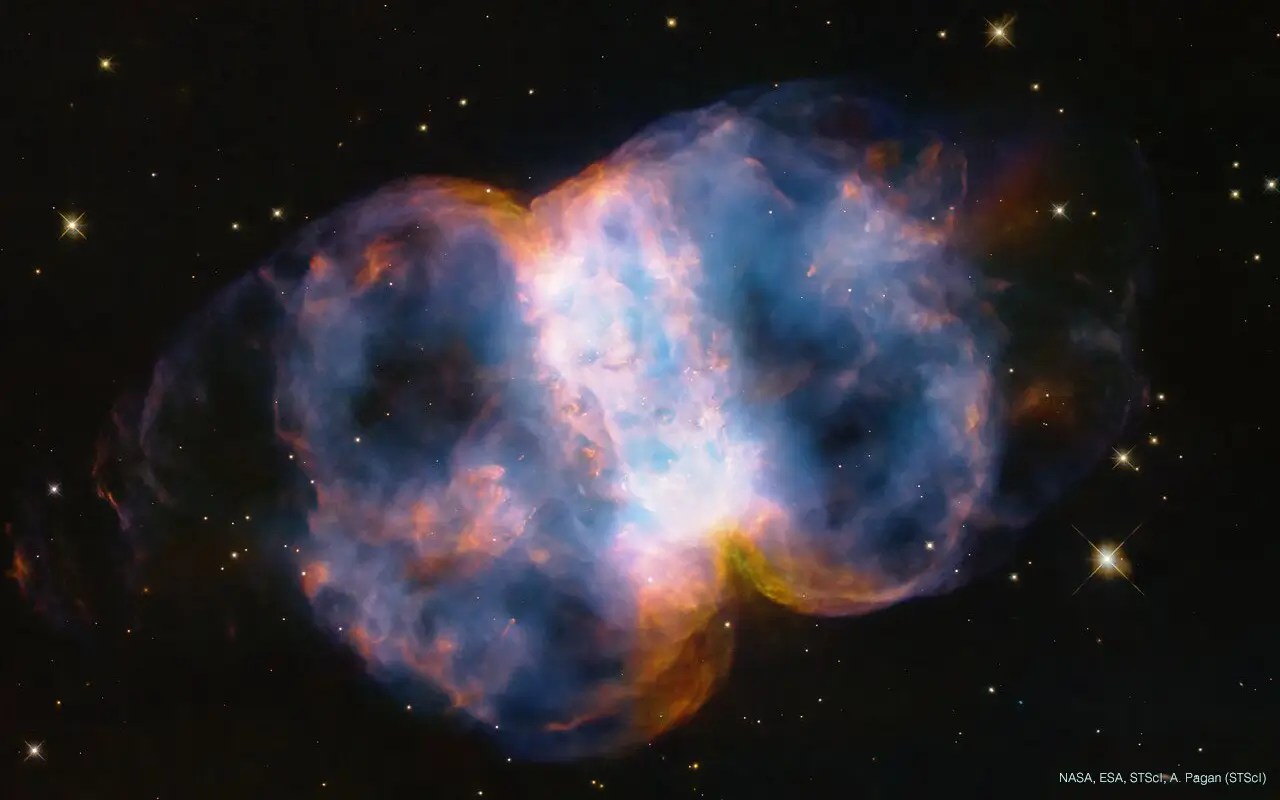
Learn about Messier 76, the Little Dumbbell Nebula in Perseus, a bipolar planetary nebula with twin lobes and a scorching central star. Includes personal observations and Seestar images.
Messier 75 (NGC 6864): A Dense Globular Cluster in Sagittarius
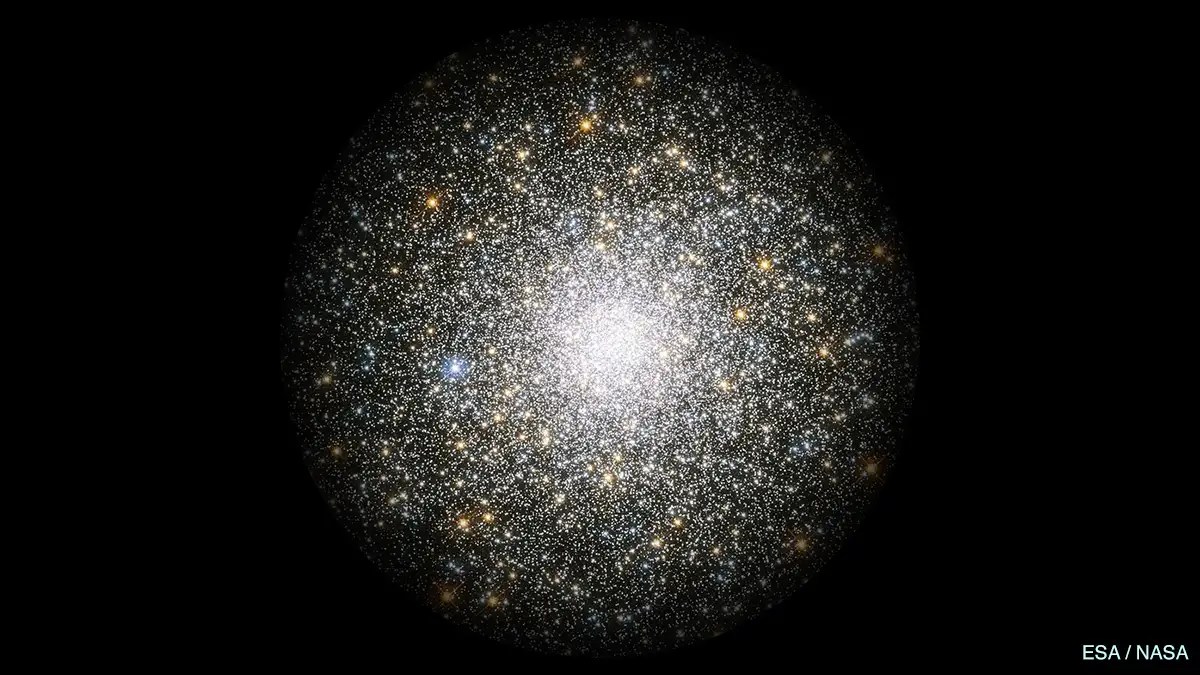
Explore Messier 75 globular cluster viewed through an 8-inch telescope, showing its dense core and surrounding stars in Sagittarius.
Messier 2 (NGC 7089): One of the Largest Globular Clusters in the Sky

Explore Messier 2 (M2), a stunning globular cluster in Aquarius. See its 150,000 stars through a sketch, photo, and observing tips for fall skies.
Messier 30 (NGC 7099): The Jellyfish Globular Cluster
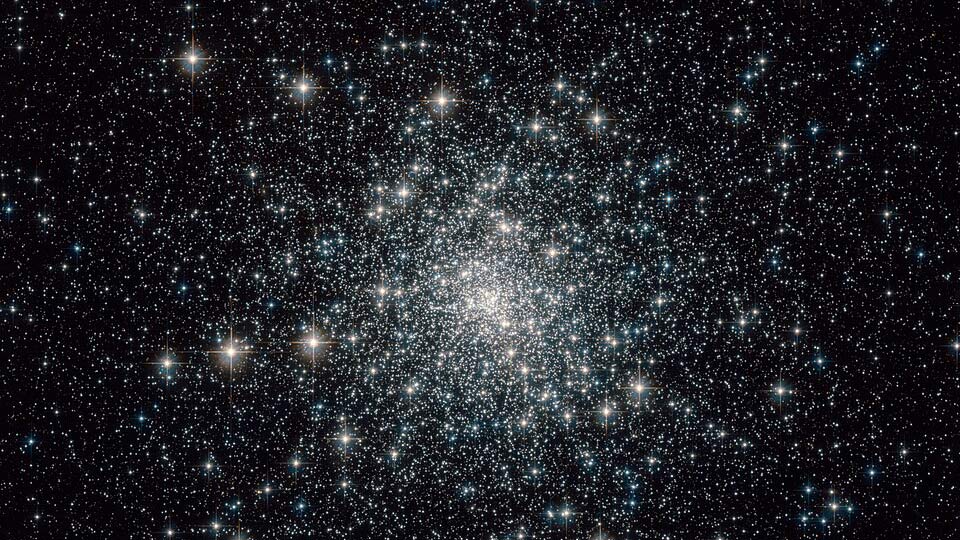
Explore Messier 30, a stunning globular cluster in Capricornus, with insights into its history, structure, and observing tips. Includes a personal sketch and photo from my own telescope observations.
Messier 52 (NGC 7654): A Small Scorpion in Cassiopeia
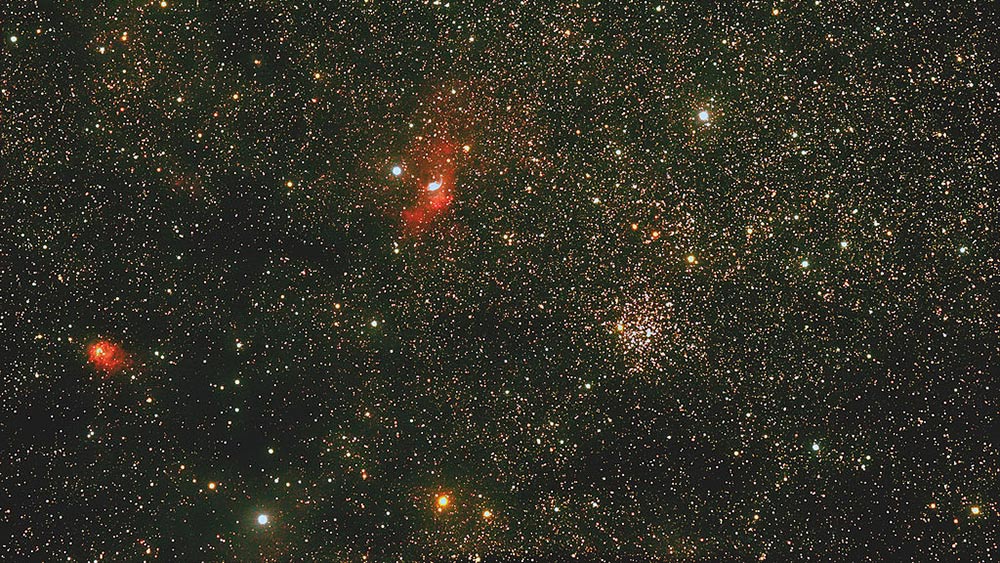
M52 is a condensed cluster of mostly faint stars sitting in the Milky Way sea of stars. This makes the object tougher to find.
Messier 80 (NGC 6093): A Stellar Beehive in Scorpius
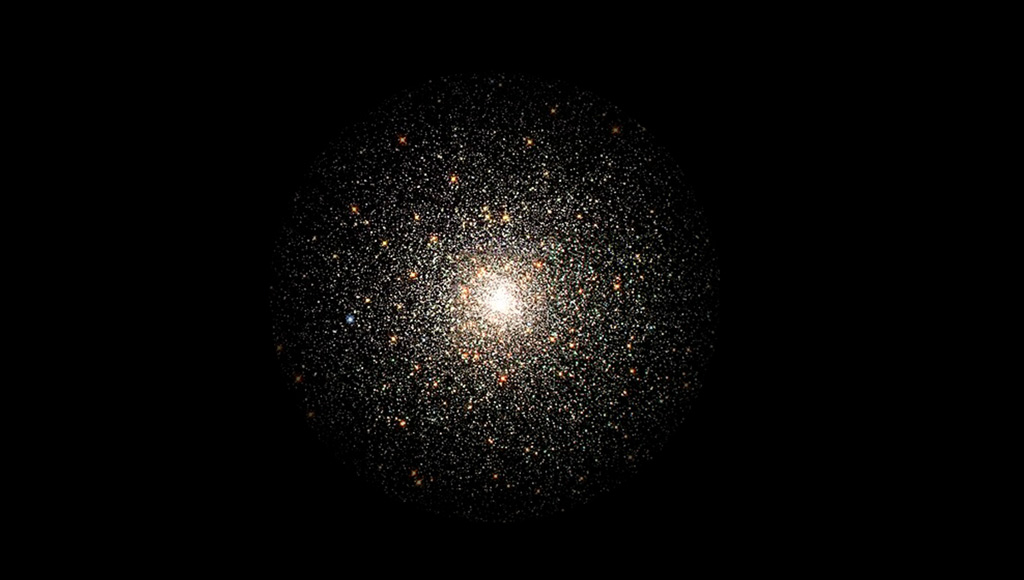
Discover the beauty of Messier 80, a dense globular cluster near the Milky Way’s center, perfect for stargazers and amateur astronomers. Learn and see how M80 is viewed through a visual and electronic telescope such as Seestar S50.
 The Garden Astronomer