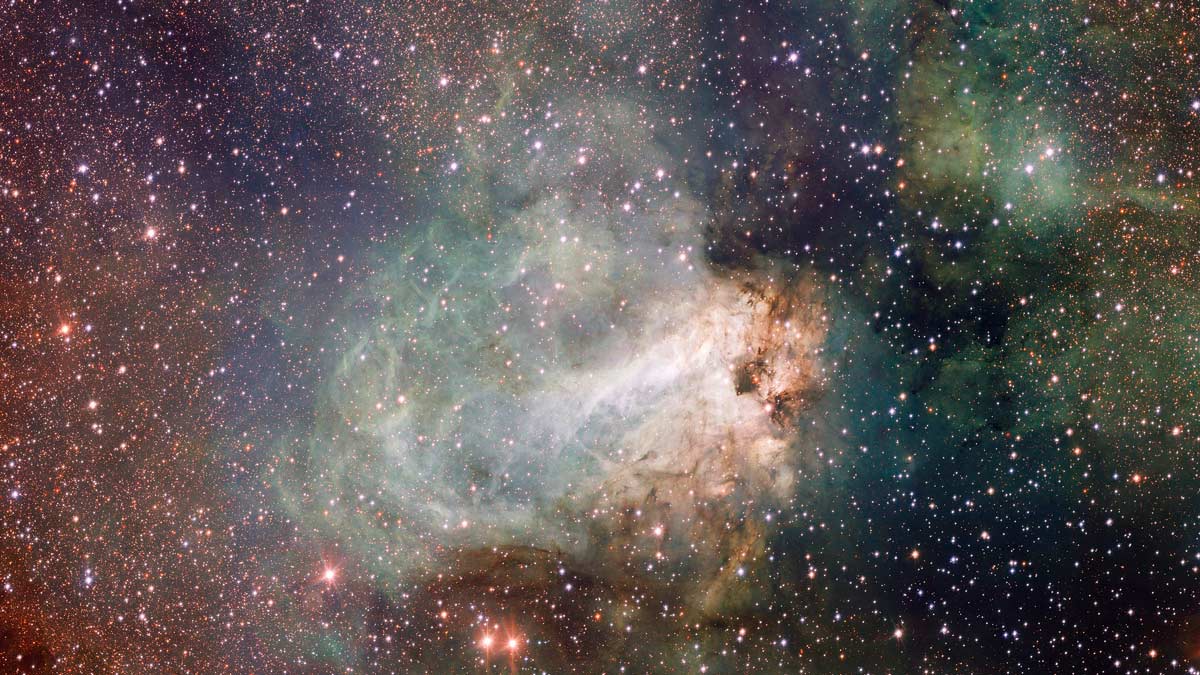
In the vast expanse of our Milky Way galaxy, amidst a sea of stars, lies an ethereal celestial beauty known as Messier 17 (M17), or more commonly, the Swan Nebula. Named after its graceful swan-like appearance, this stellar nursery lies in the summer southern constellation of Sagittarius.
Category Archives: Messier Objects
Messier 33 (NGC 598): The Triangulum Galaxy—A Pinwheel in the Sky

Discover the breathtaking beauty of Messier 33, the Triangulum Galaxy! As one of the closest galactic neighbors to the Milky Way, Messier 33 known as the Triangulum Galaxy dazzles with its stunning spiral structure. See what it looks like in a telescope and when photographed with a Seestar S50. Also known as M33, Pinwheel Galaxy, NGCs 588, 592, 595, and NGC 603
Messier 106: A Galaxy with Unique Arms in Canes Venatici

Within the constellation Canes Venatici, or NGC 4258, is Messier 106 with it’s arms made of gas and dust. Most observers with a modest telescope can make out Messier 106’s relatively bright and distinct structure. And speaking of structure, one of the most fascinating aspects of M 106 is its unique arms. Unlike typical spiral galaxies where the arms are composed mainly of stars, the extra arms of M106 are composed of vast amounts of gas.
Messier 97 (NGC 3587): An Owl Looks Down from Ursa Major

Welcome to the Owl Nebula, also known as Messier 97. This planetary nebula is located in the constellation Ursa Major and can be seen in the night sky every spring. When viewed with small telescopes under clear, dark conditions, it appears as a small circular smudge. However, telescopes with a diameter of over 8 inches can reveal more of the nebula’s unique owl-like features. Also known as M97, NGC 3587, ARO 25.
Messier 108 (NGC 3556): Catching a Wave on Ursa Major’s Surfboard Galaxy

Messier 108, also known as NGC 3556, is a galaxy located in the constellation Ursa Major. Also known as the Surfboard Galaxy, it appears as a thin dim streak in the eyepiece of small and moderate telescopes under suburban skies.
Messier 71 (NGC 6838): A Globular Cluster Close to Home
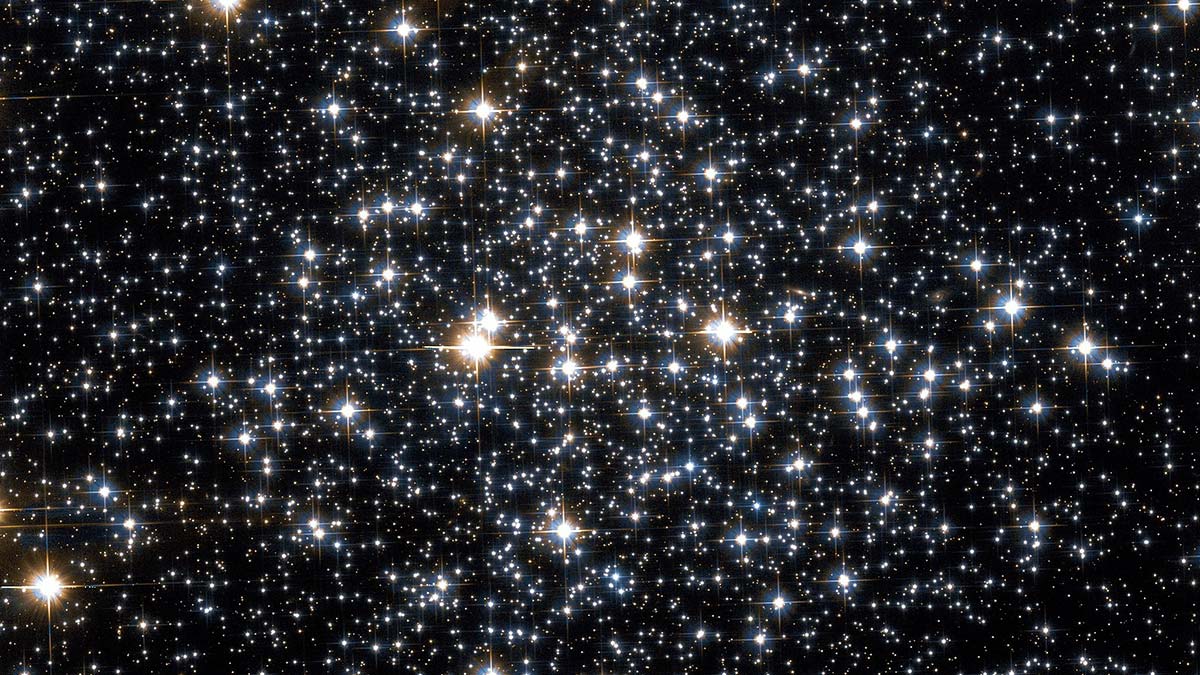
Globular clusters like Messier 71 (M71) make for great targets. With a pair of binoculars away from bright city lights, an observer can see M71 as a fuzzy patch. Move up to the telescope (say 4 inches in diameter and larger), and you can start to make out some individual stars. For a long time,ContinueContinue reading “Messier 71 (NGC 6838): A Globular Cluster Close to Home”
Messier 23 (NGC 6494): Open Cluster in a Sagittarius Starfield
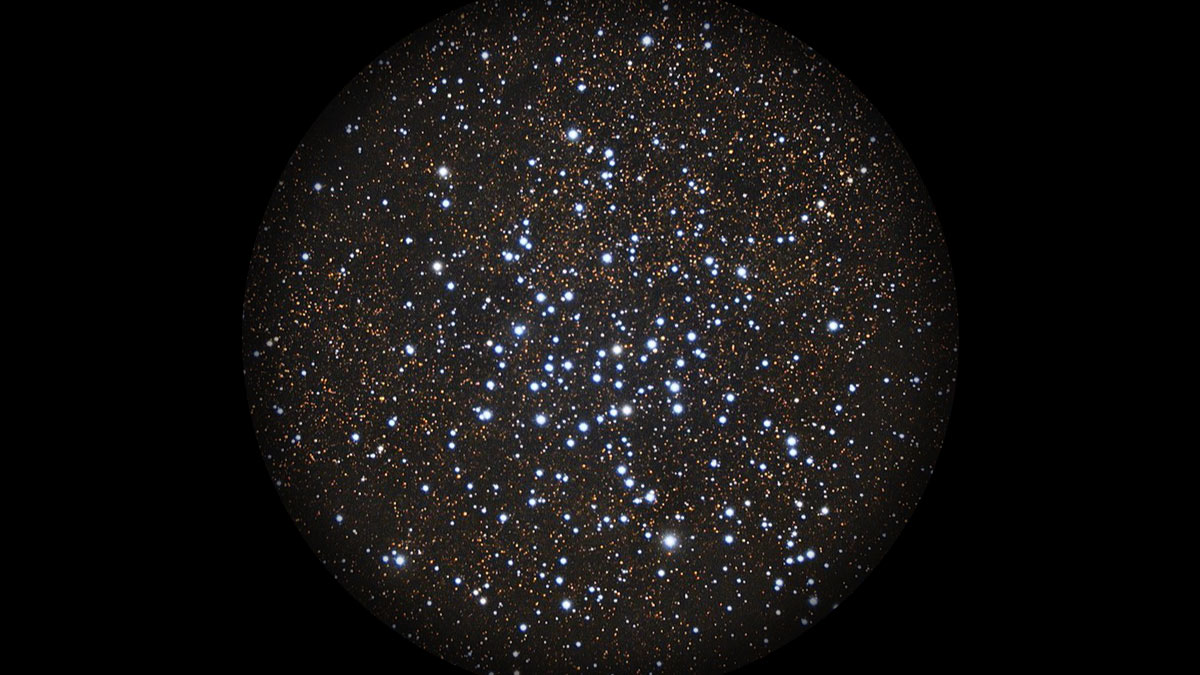
The constellation Sagittarius is home to Messier 23 (M23), a spacious and radiant open star cluster. This cluster is one of several within the summer Milky Way and can be observed through binoculars in dark sky conditions or a small telescope from the suburbs.
Messier 24 (NGC 6603): Small Sagittarius Star Cloud

Messier 24 is not a traditional astronomical object like a nebula, star cluster, or galaxy. Instead, it is a region within our Milky Way galaxy that is densely packed with stars, making it appear like a stunning celestial cloud.
 The Garden Astronomer