
M37 is one of the most beautiful clusters in the northern winter sky. It resides in the constellation Auriga. it fills a wide-field eyepiece wonderfully.
Category Archives: Messier Objects
Messier 32 (NGC 221): Le Gentil—A Galaxy in our Neighborhood

Messier 32 (M32, NGC 221), is a dwarf elliptical galaxy best viewed in the fall. It lies in the Andromeda constellation.
Messier 26 (NGC 6694): The Cluster with a Little Hole

Messier 26 (NGC 6694) is an open cluster found in the constellation Scutum. It is best viewed in the summer in the northern hemisphere. Messier 26 is a fainter grouping of around 30 stars.
Messier 27 (NGC 6853): The Dumbbell Planetary Nebula in Vulpecula

Messier 27 (NGC 6853) is a planetary nebula in the constellation Vulpecula. It is also known as the Dumbbell Nebula due to its distinctive shape resembling a dumbbell or hourglass. It’s best viewed in summer and early autumn. Amateur astronomers can find M27 fairly easy with binoculars and small telescopes, even from light-polluted suburban area as the sketch in this article shows.
Messier 102 (NGC 5866): The Spindle Galaxy with its Dusty Disk
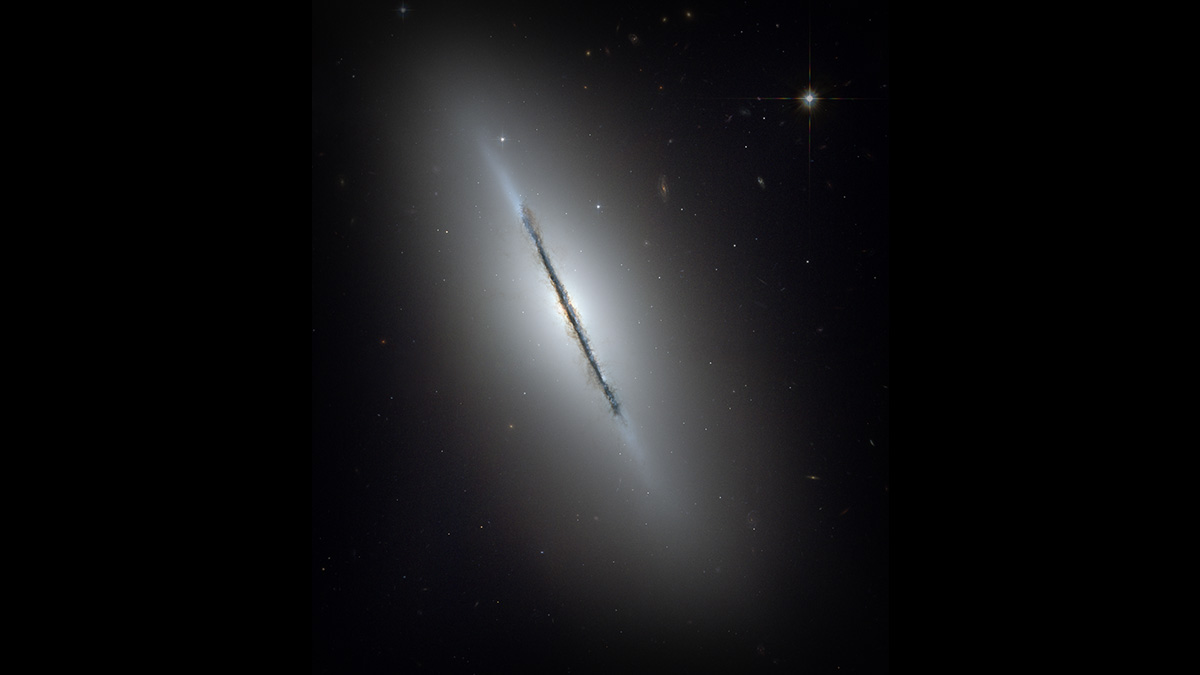
Learn about Messier 102 (NGC 5866), a lenticular galaxy in the constellation Draco. View how it looks through a 8-inch SCT from the light-polluted city or suburbs. Page includes sketch drawing of the galaxy along with historical facts.
Messier 63 (NGC 5055): The Sunflower Galaxy

Learn about Messier 63 (M63), a beautiful spiral galaxy in the constellation Canes Venatici. Observers refer to the galaxy as the Sunflower Galaxy. It is part of the M51 galaxy group.
Messier 12 (NGC 6218): The Gumball Globular

Messier 12 is a globular cluster located closer to the center of the Milky Way than many other clusters. Observers can view M12 in late spring and summer. It’s bright and dense character make it a great target of summer in the constellation Ophiuchus. It’s also known as the Gumball.
Messier 14 (NGC 6402): Globular Cluster with an Elongated Glow

Messier 14 (NGC 6402) is a globular cluster in Ophiuchus best viewed in summer. It is slightly elongated in shape and looked fairly dim in my 8-inch SCT scope from the suburbs as my sketch shows. Still, it’s bright enough to see with binoculars from dark skies.
 The Garden Astronomer