
Messier 49 (M49 and NGC 4472) happens to be the brightest galaxy in the Virgo Cluster. It’s also the brightest galaxies amateur astronomers can view from the backyard. Learn more of this large elliptical galaxy viewable as a hazy patch of light from the suburbs.
Category Archives: Messier Objects
Messier 85 (NGC 4382): An Intriguing Haze in a Cluster of Galaxies
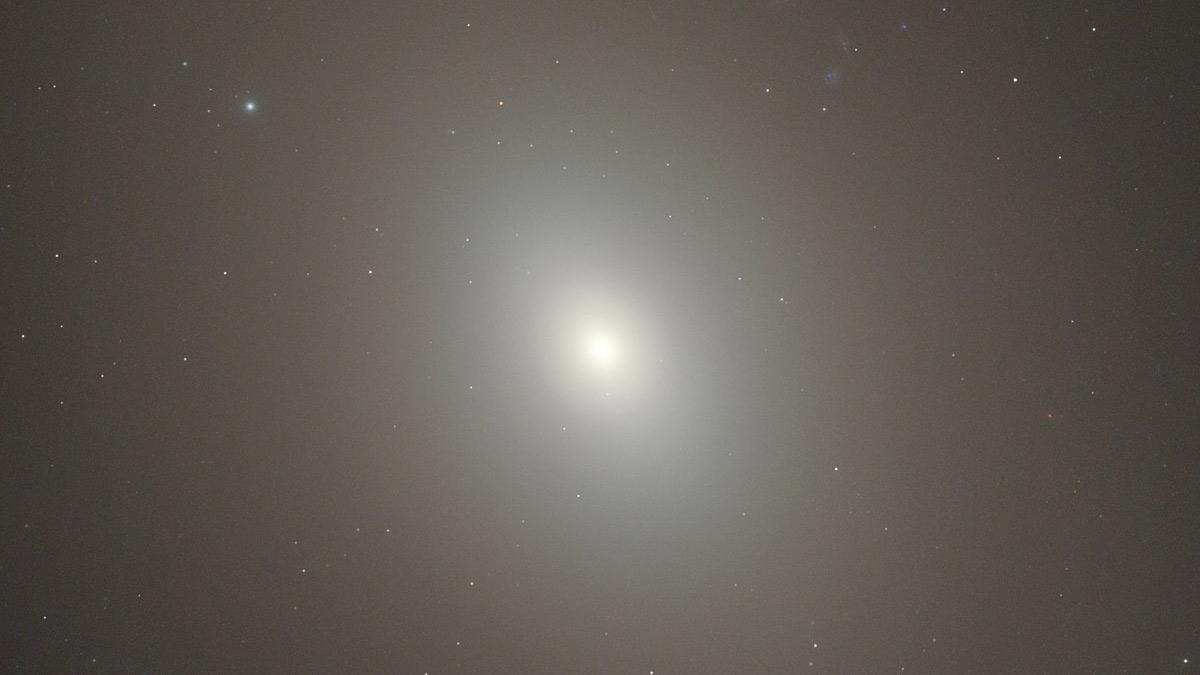
Messier 85 happens to be one of the brightest galaxies among the Como-Virgo cluster and is best viewed in May. So if you are a backyard astronomer fighting light pollution, be sure to give this object a try.
Messier 84 (NGC 4374): A Cotton Ball in a Field of Many

Messier 84 (M84), also designated as NGC 4374, lies in the springtime sky amongst the plethora of viewable galaxies in Virgo. Using a small scope, one can also find it among the array of galaxies in the Virgo Cluster and the stretch of galaxies in Markarian’s Chain. It looks a faint smudge in small to mid-sized scopes from the backyard.
Messier 53 (NGC 5024): An Old, Bold Globular Cluster on the Outskirts of the Milky Way

Messier 53 is a globular cluster on the outskirts of our galaxy at nearly 60,000 light years above us. M53 is also unique as it has a more blue straggler stars than other globulars.
Messier 46 (NGC 2437): Rich Cluster in Puppis Featuring a Bonus Nebula

Messier 46 is a rich cluster of more than 500 stars. It makes its home in the southern constellation of Puppis.
Messier 47 (NGC 2422): A Bright, Young Cluster in Southern Skies
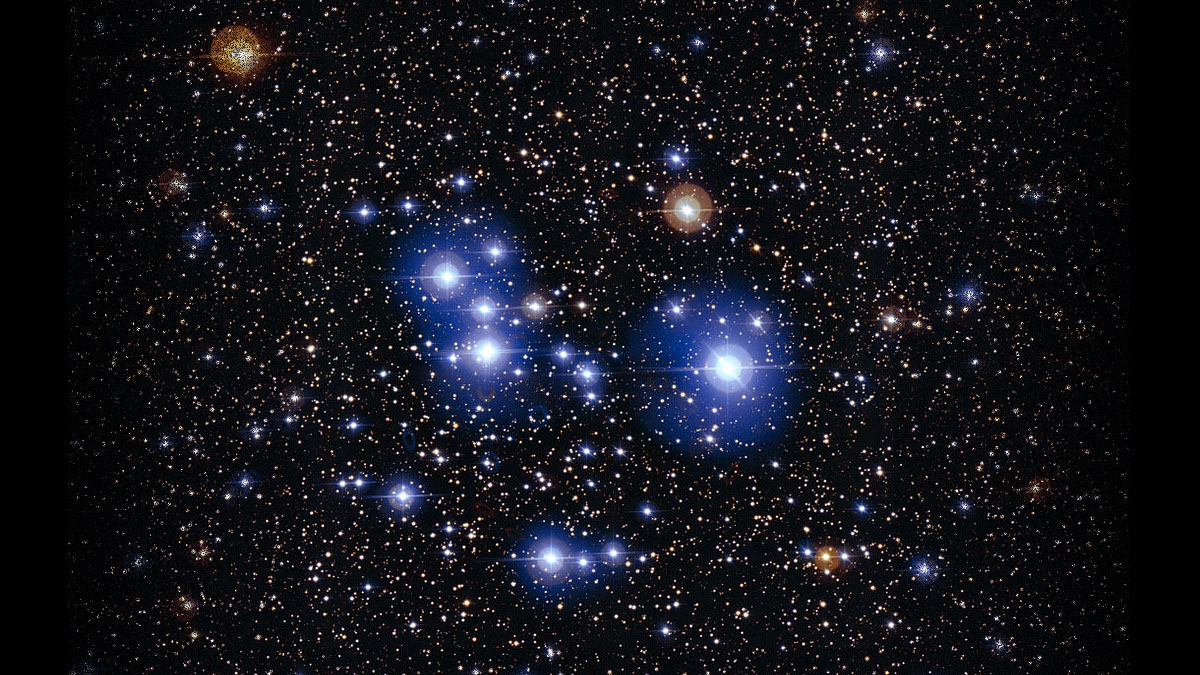
Messier 47 graces the southern skies in the constellation Puppis. While only 50 or so stars make up this cluster, they are bright, blue, and ready to be enjoyed with binoculars or telescopes.
Messier 41 (NGC 2287): The Little Beehive in Canis Major

Messier 41 lies south of the bright star Sirius and covers an area nearly the size of the moon. I credit this wintertime cluster for inspiring my life-long love of astronomy. Learn why.
Messier 34 (NGC 1039): A Robust Cluster with Attractive Pairs of Stars
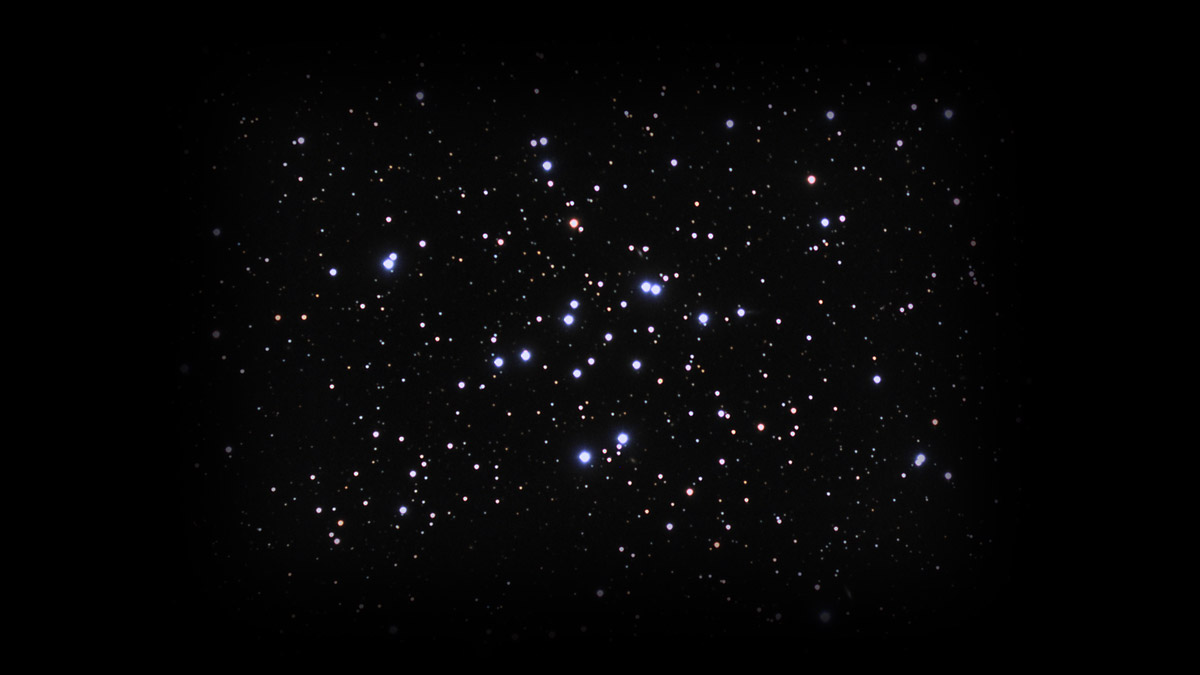
Messier 34 is a treasure chest of 80-100 viewable stars in the winter constellation Perseus.
 The Garden Astronomer