
Messier 81 is a spiral galaxy in Ursa Major. It’s best viewed in the spring. Galaxies are often faint and tough to see from suburban skies. However, Bode’s Galaxy is bright enough to see using smaller scopes and is a great object for amateur astronomers starting out in the hobby. Its spiral arms, the brightContinueContinue reading “Messier 81 (NGC 3031): Bode’s Galaxy”
Category Archives: Messier Objects
Messier 39 (NGC 7092): A Larger Cluster of Straggling Stars in Cygnus

This collection of around 30 stars is only 800-1000 light years away, closer to us than many star clusters. Due to its close proximity, it’s larger and spread across a region larger than the moon.
Messier 35 (NGC 2168): A Young Cluster the Size of the Moon in Gemini

Messier 35, also known by the name the Show-buckle Cluster, is an open cluster in the constellation of Gemini. It’s best viewed in the winter months. With at least a pair of binoculars, most stargazers, including those living with urban light pollution, will be able to enjoy M35. The cluster is spread out. It takesContinueContinue reading “Messier 35 (NGC 2168): A Young Cluster the Size of the Moon in Gemini”
Messier 38 (NGC 1912): A Starfish Floating in an Ocean of Sky

Messier 38 is one of several beautiful and bright star clusters in the constellation Auriga. It’s also know as the Starfish Cluster as lines of brighter stars stretch out from the center.
Messier 45: Seven Diamonds in a Winter Mist

Messier 45 is an open star cluster in the constellation Taurus. It’s best viewed in winter and early spring. Also known as the Pleiades, or Seven Sisters, M45 is one of the nearest clusters to Earth and one of the brightest and most recognizable objects in the night sky, even from brighter suburban skies.
Messier 31 (NGC 224): That’s No Nebula! That’s a Galaxy! Welcome to Andromeda
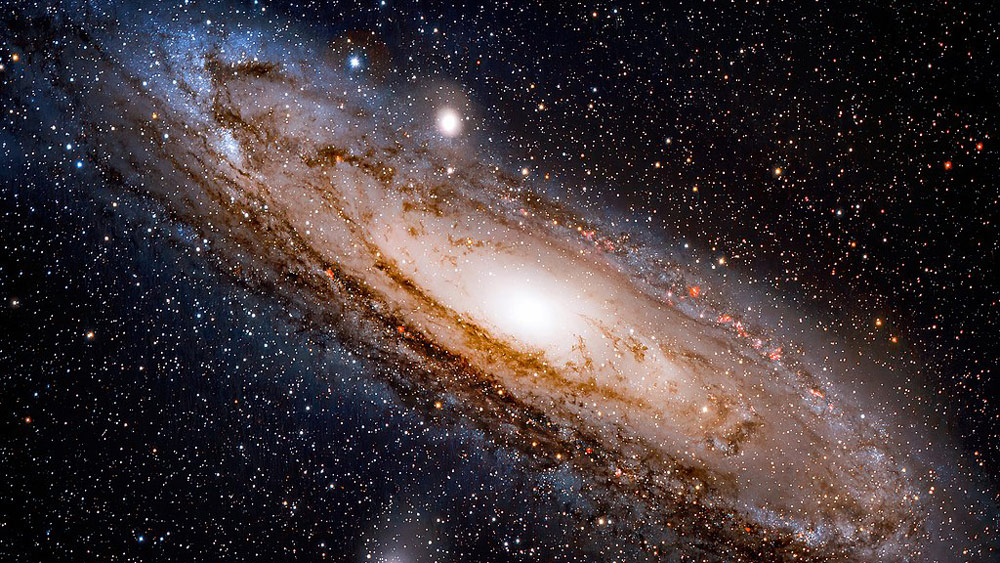
Andromeda is the most distant thing humans can see with the unaided eye. Also, it’s of great historical significance for helping astronomers understand the grand scheme of the universe.
Messier 50 (NGC 2323): That’s an “M” for Monoceros! An Open Star Cluster in Monoceros
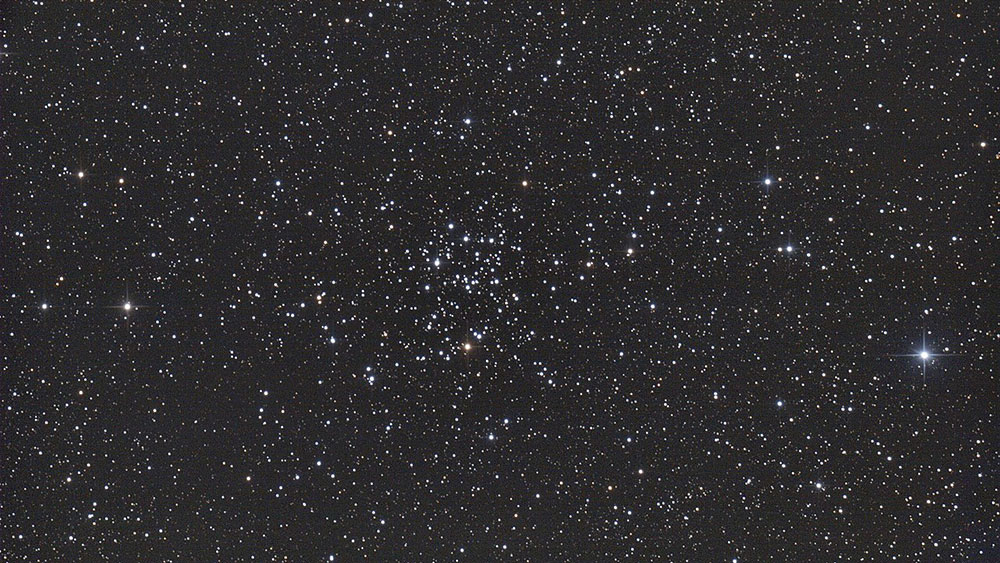
Messier 50 is an open star cluster in the constellation Monoceros. It’s best viewed in winter. Discovered by Giovanni Domenico Cassini in 1710, Messier 50 is part of the constellation Monoceros but lies near Canis Major. I’ve read various descriptions of the cluster over the years, including it looking like a “coil,” a “heart,” or,ContinueContinue reading “Messier 50 (NGC 2323): That’s an “M” for Monoceros! An Open Star Cluster in Monoceros”
Messier 56 (NGC 6779): A Globular Cluster Screaming Toward Us
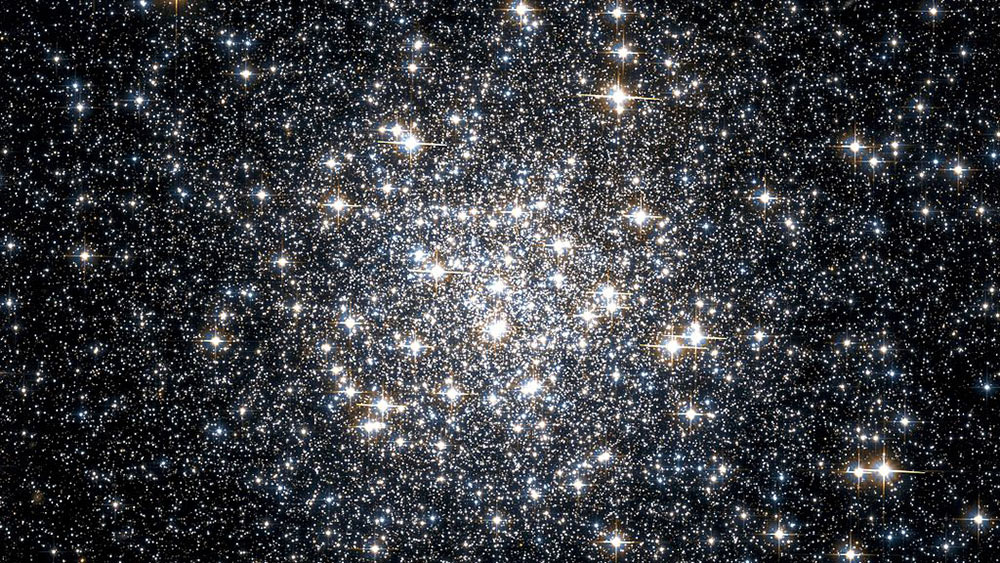
This grouping of stars is around 84 light-year in diameter. What’s more, it’s screaming toward the earth at around 345,000 miles per hour!
 The Garden Astronomer