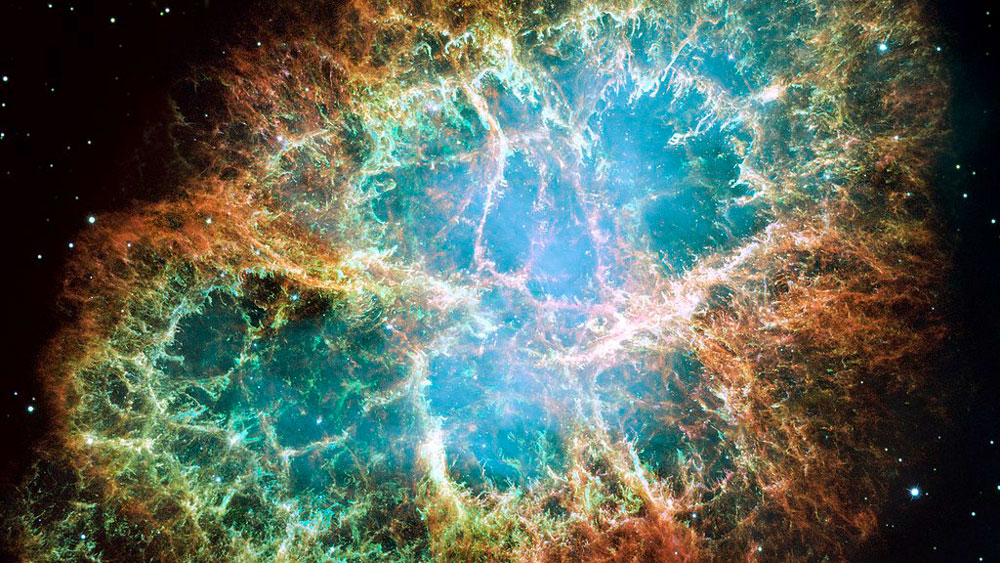
Explore Messier 1 (Crab Nebula), a supernova remnant in Taurus, with detailed sketches, photos, and tips for observing this winter deep-sky gem.
Category Archives: Nebulas
The Iris Nebula: A Flower Blooming in the Dark
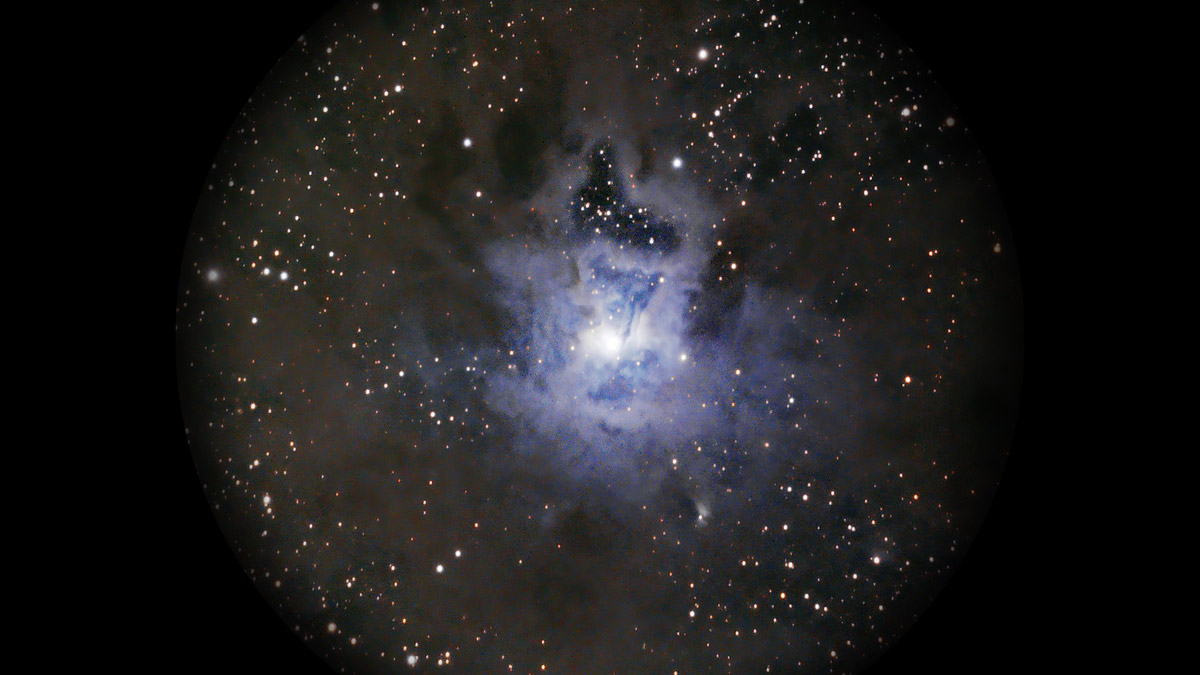
Explore the stunning Iris Nebula (NGC 7023 or Caldwell 4), a breathtaking reflection nebula in Cepheus. Discover how the central star illuminates its dust and gas, creating a glowing blue celestial flower. See my sketch and Seestar S50 image to visualize what you can expect to see. Learn about its history, distance (1,300 light-years), and why astrophotographers cherish this beautiful autumn target.
Caldwell 56: The Haunting Skull Nebula in Cetus
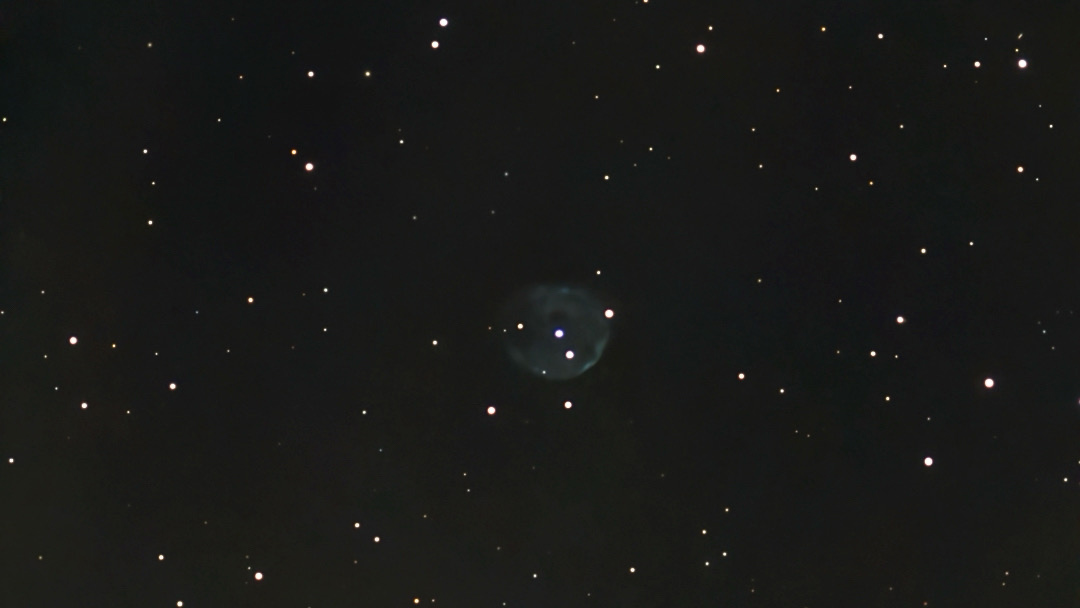
The Skull Nebula, known as NGC 246 or Caldwell 56, resides in the constellation Cetus. Discovered by William Herschel in 1785, the planetary resembles a human skull due to gas distribution. It features a white dwarf and two companion stars. Though challenging to observe, it captivates astronomers, symbolizing change and the cosmos’ enduring nature.
The Horsehead Nebula (IC 434): A Shadow in the Stars
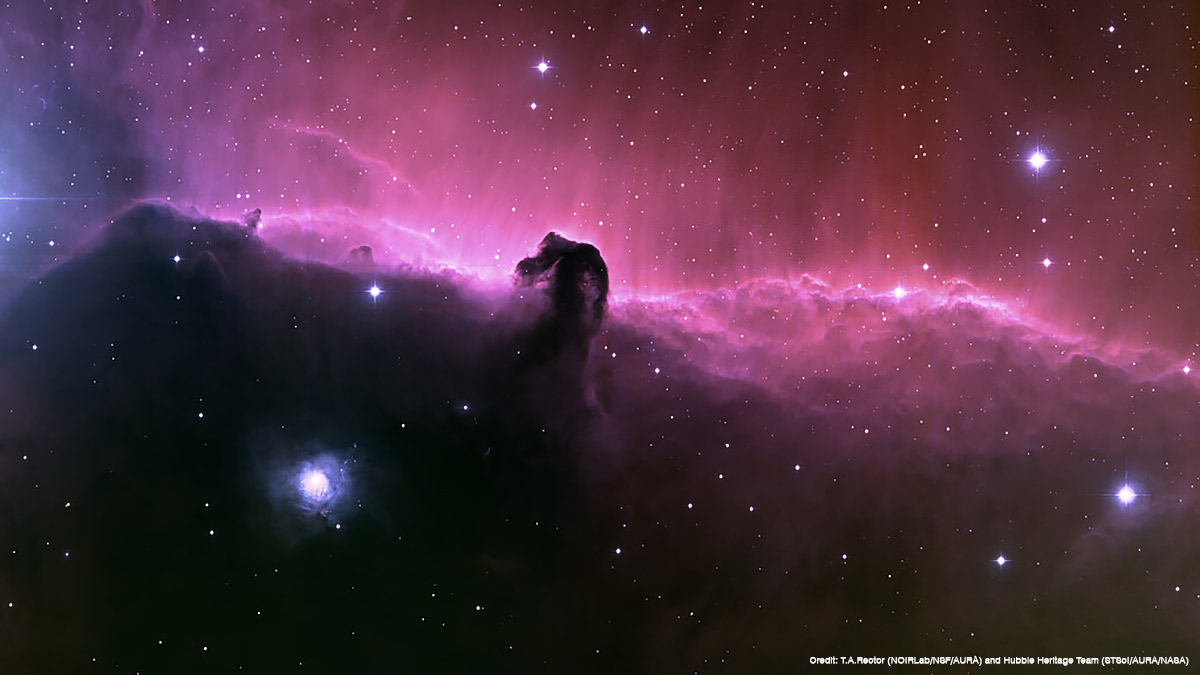
The Horsehead Nebula, located in Orion, is recognized for its iconic silhouette but is faint and challenging to observe. First discovered in 1888 by Williamina Fleming, it is a stellar nursery contributing to star formation. Ideal viewing occurs between December and March, away from city lights using larger telescopes.
The Helix Nebula: The “Eye of God” Looks Back at You
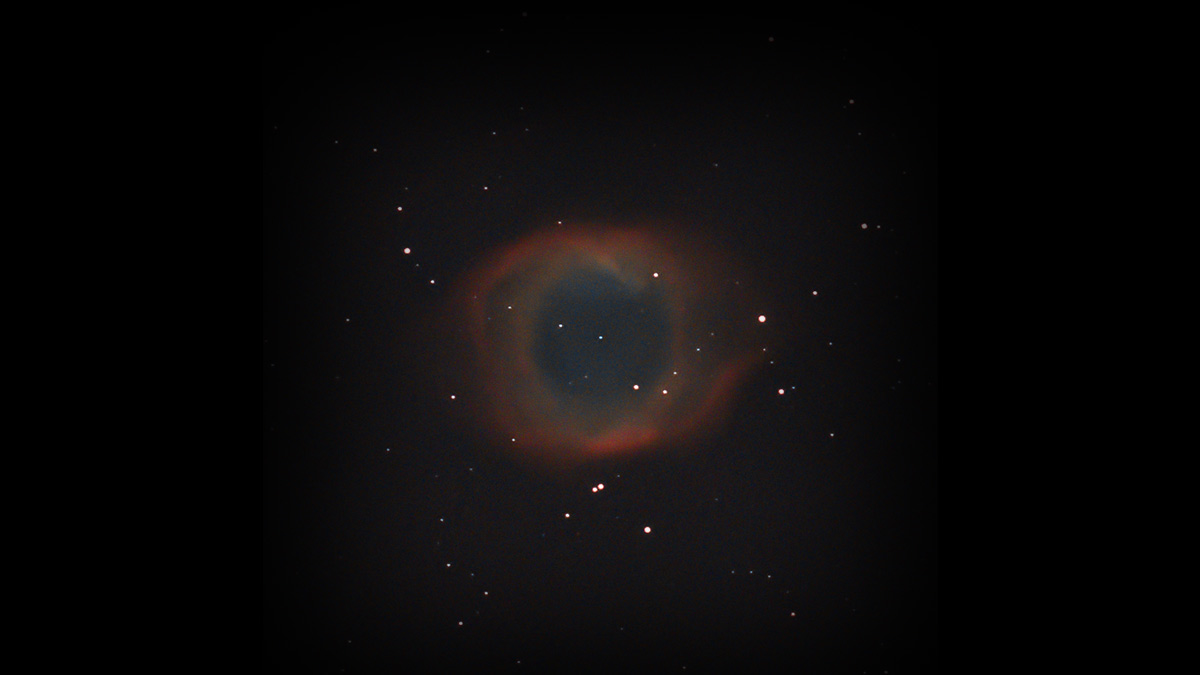
In late summer and autumn, the constellation Aquarius, known as the Water Bearer, is prominent in the southern skies of the Northern Hemisphere. Among its features is the Helix Nebula, one of the closest planetary nebulae to Earth. It’s also known as NGC 7293, Caldwell 63, Arp 336.
52 Cygni: A Tight Double Star
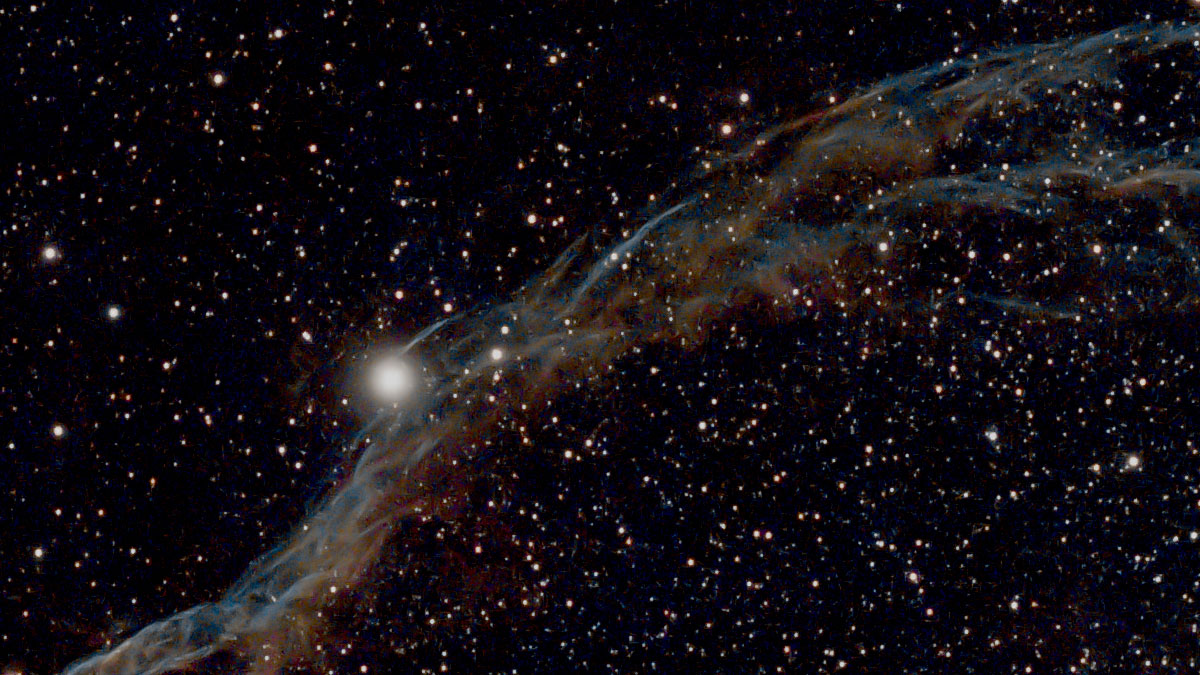
While no one can deny the beauty of the Western Veil Nebula, 52 Cygni (Struve 2726) also provides a visual treat to backyard observers who like double stars. 52 Cygni also known as STF 2726, SAO 70467, HD 197912, HR 7942, 52 Cyg, HIP 102453.
Messier 97 (NGC 3587): An Owl Looks Down from Ursa Major

Welcome to the Owl Nebula, also known as Messier 97. This planetary nebula is located in the constellation Ursa Major and can be seen in the night sky every spring. When viewed with small telescopes under clear, dark conditions, it appears as a small circular smudge. However, telescopes with a diameter of over 8 inches can reveal more of the nebula’s unique owl-like features. Also known as M97, NGC 3587, ARO 25.
IC 348: A Stellar Nursery and Fireworks Show in Perseus
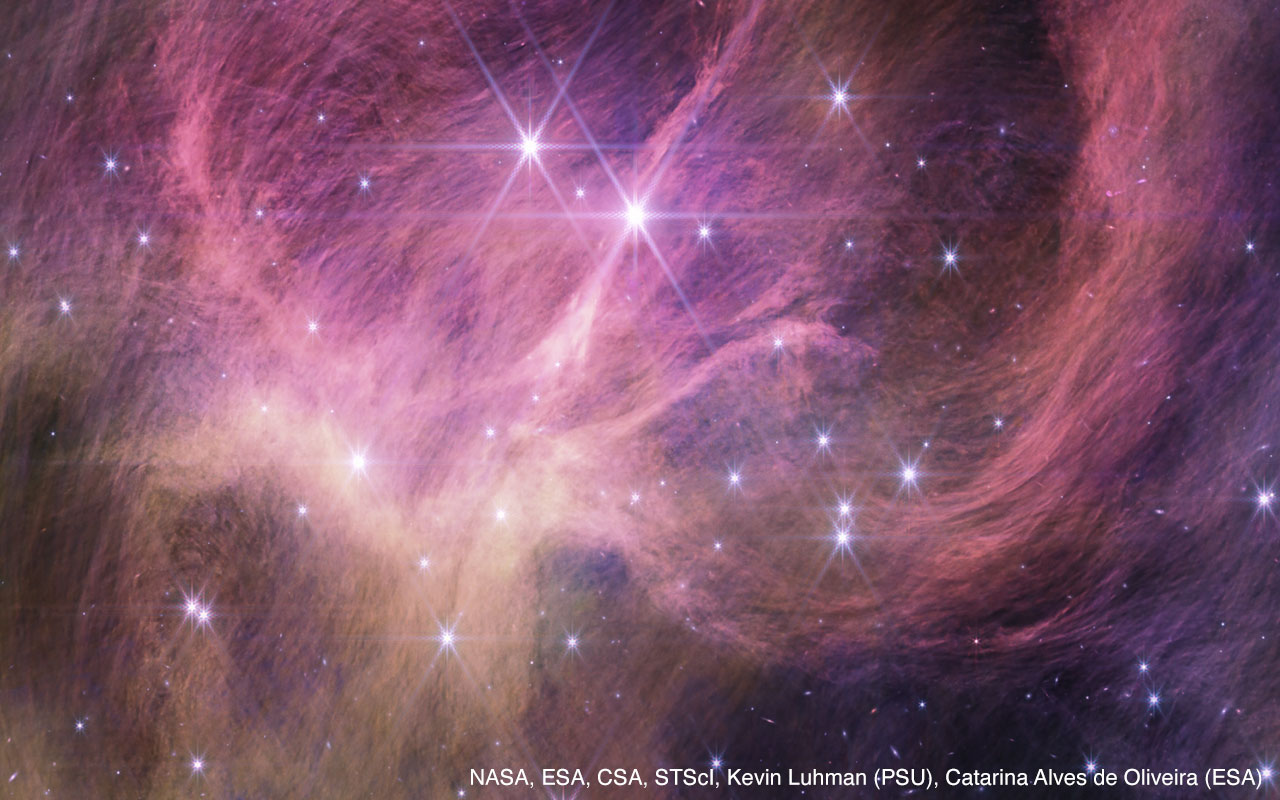
IC 348 is a beautiful star cluster wrapped in a veil of milky nebulosity. On autumn and winter nights, turn your attention to the Perseus constellation and this cosmic cradle where stars are born. It’s also known as C 0341+321, Collinder 41.
 The Garden Astronomer