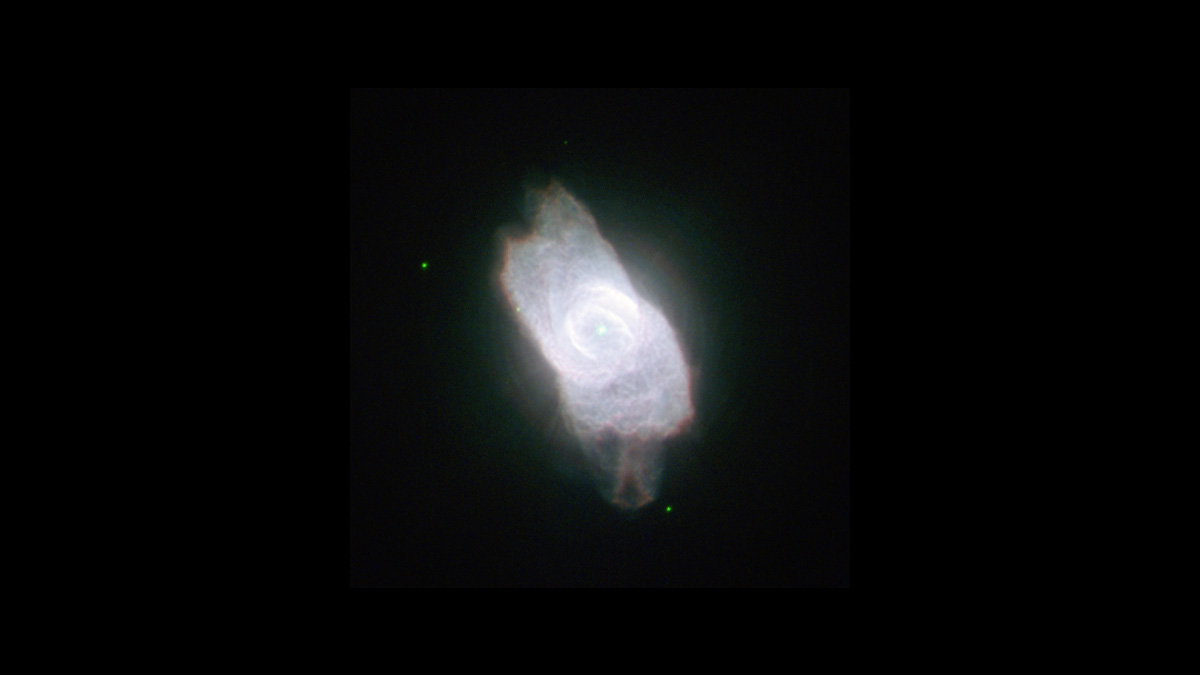
NGC 6572, the Emerald or Green Nebula in Ophiuchus, is a bright, compact planetary nebula glowing blue-green in summer skies—best seen with a telescope.
Category Archives: Nebulas
NGC 7635 (Caldwell 11): The Bubble Nebula
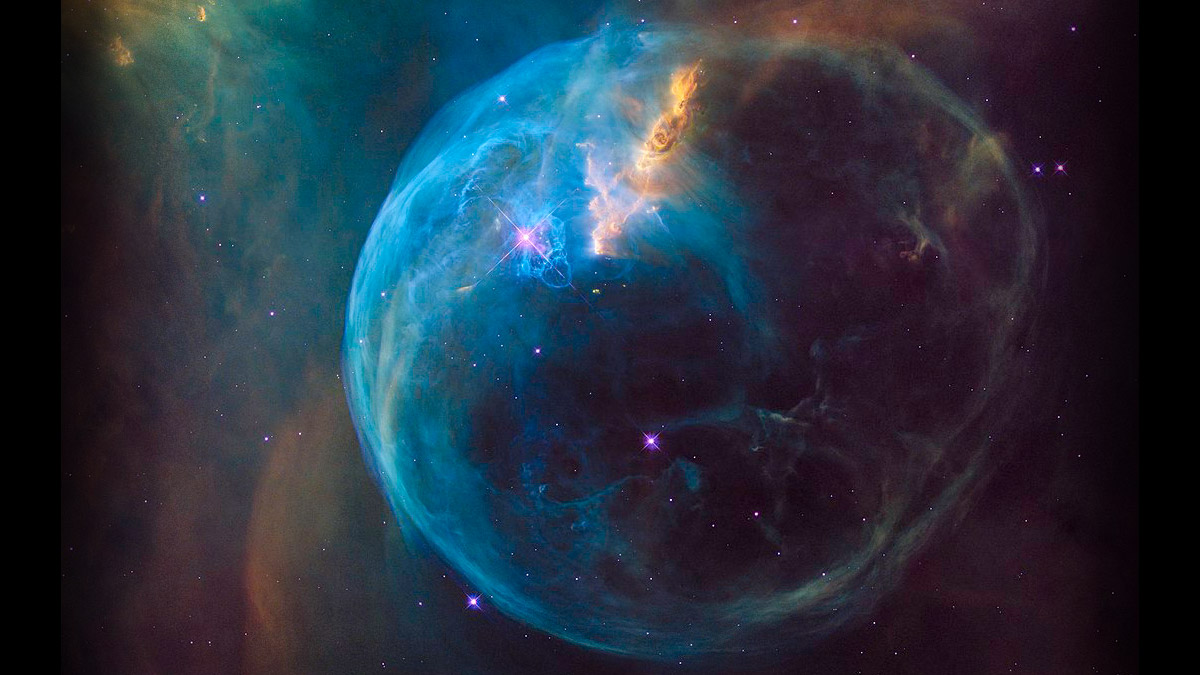
NGC 7635, also known as Caldwell 11 and the Bubble Nebula, is a beautiful emission nebula located in the constellation Cassiopeia, which is best viewed in autumn. From my backyard, I’m able to sketch the very faint nebula as a small smudge.
NGC 40: The Bow-Tie Nebula

NGC 40, also known as the Bow Tie nebula, is a somewhat dim planetary nebula in the Cepheus constellation. It’s a good target for the casual backyard observer with a moderate telescope.
NGC 7662: The Blue Snowball Nebula
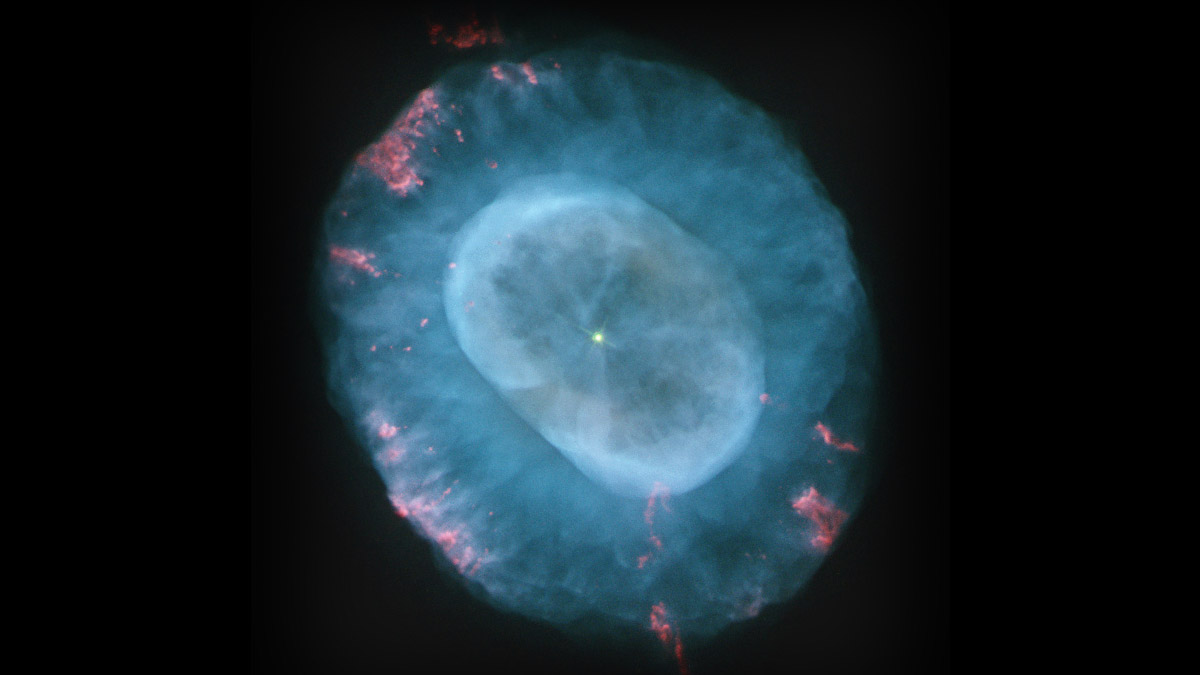
NGC 7662, also known as the blue snowball nebula, is a bright planetary nebula in the andromeda constellation. It’s a good target for the casual backyard observer with a small telescope as it breaks through the light pollution pretty well for a nebula.
NGC 7009: The Saturn Nebula
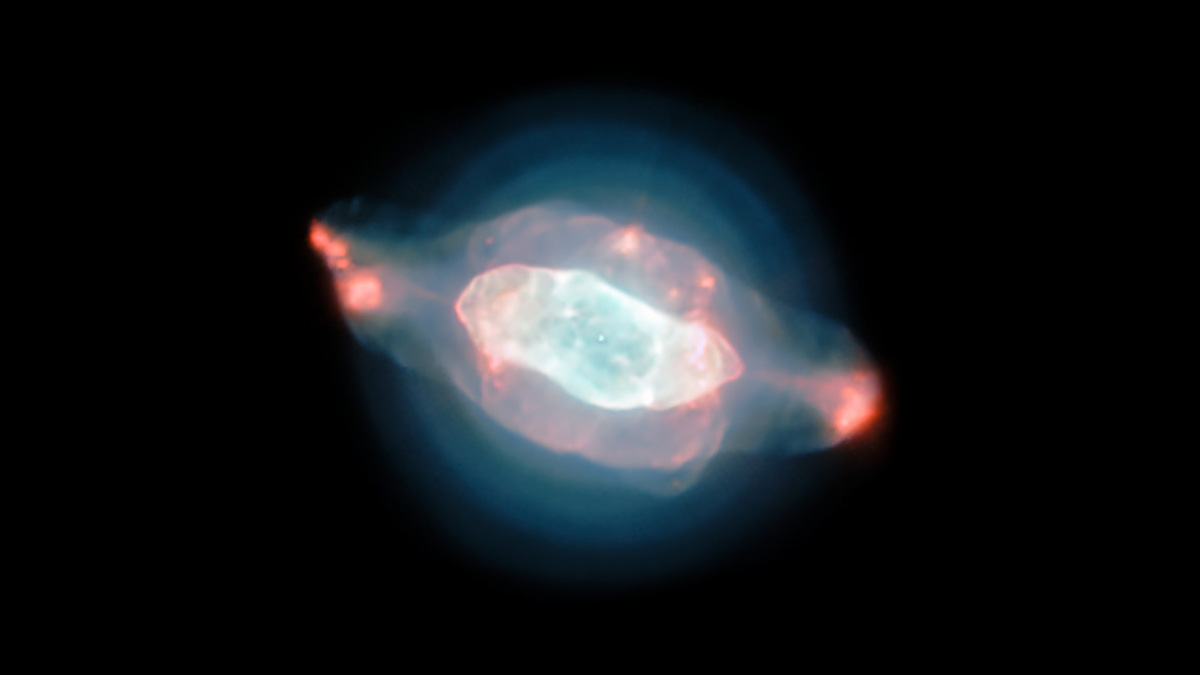
The Saturn Nebula, also known as Caldwell 55, is a planetary nebula viewable in the northern night sky in autumn in constellation Aquarius. Even though dim nebulas like NGC 7009 can be challenging to view in suburban backyards because of light pollution, astronomers should not loose heart. This nebula is pretty easy to spot on a moonless night with a smaller telescope. It will appear light-blue or green and as a small smudge in the scope.
NGC 6543: A Cat’s Eye Looks Down at You
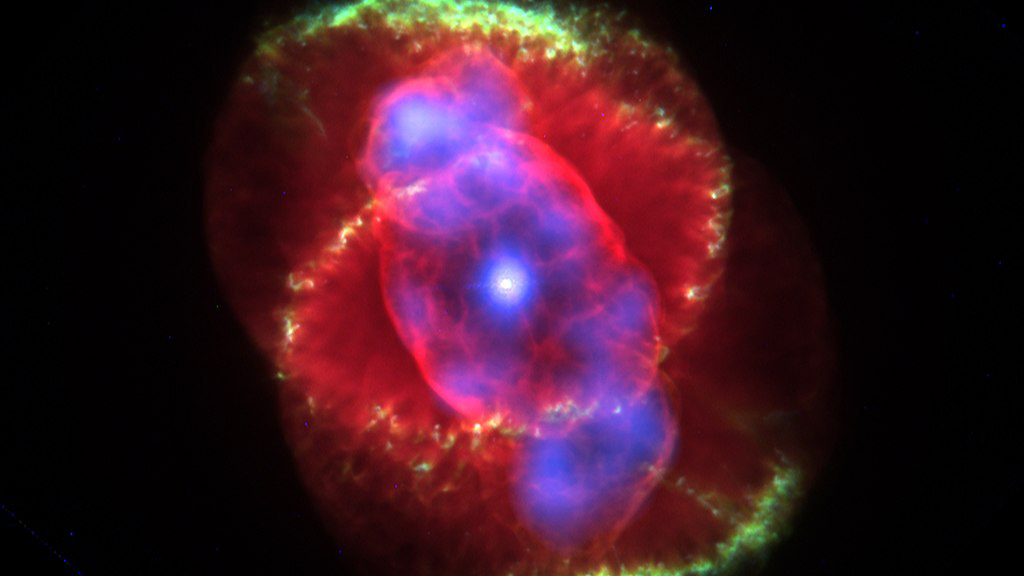
NGC 6543, also known as the Cat’s Eye Nebula, looks down from the constellation Draco in late summer skies. A dying star makes this beautiful object.
NGC 6826: A Blinking Planetary Nebula in Cygnus

As one stares at the central star, or uses averted vision, the nebula’s fuzzy cloud may come into view as if turning on a light switch. Because of this, some refer to NGC 6826 as the “blinking planetary.”
Messier 27 (NGC 6853): The Dumbbell Planetary Nebula in Vulpecula

Messier 27 (NGC 6853) is a planetary nebula in the constellation Vulpecula. It is also known as the Dumbbell Nebula due to its distinctive shape resembling a dumbbell or hourglass. It’s best viewed in summer and early autumn. Amateur astronomers can find M27 fairly easy with binoculars and small telescopes, even from light-polluted suburban area as the sketch in this article shows.
 The Garden Astronomer