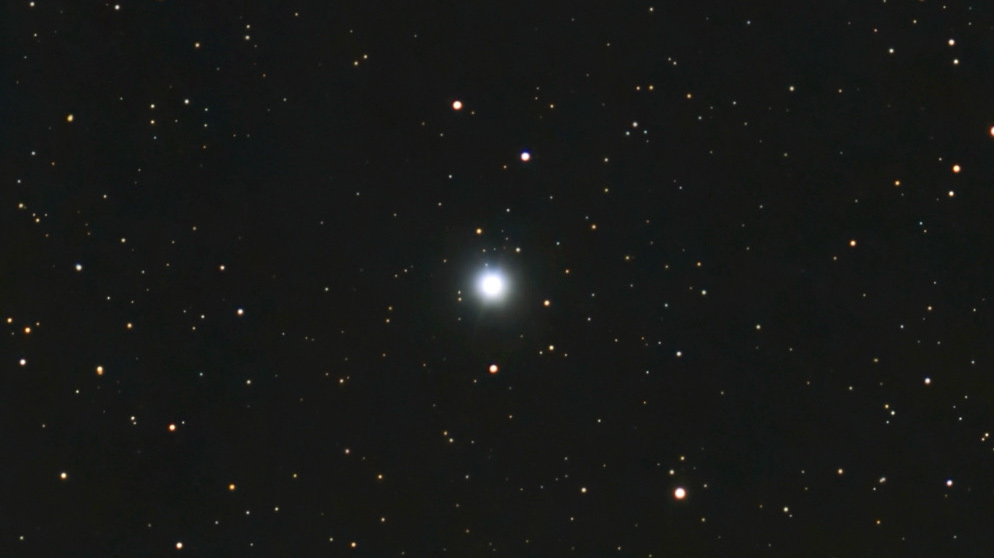
Gomeisa, or Beta Canis Minoris, is a striking blue-white B-type star located 170 light-years from Earth in Canis Minor. With a surface temperature over 11,000 Kelvin and a brightness of magnitude 2.9, it stands out near Procyon. Its rapid rotation and classification as a variable star add to its intrigue for astronomers.
Category Archives: Notable Stars
Zeta Ophiuchi: The Runaway Star with a Turbulent Past
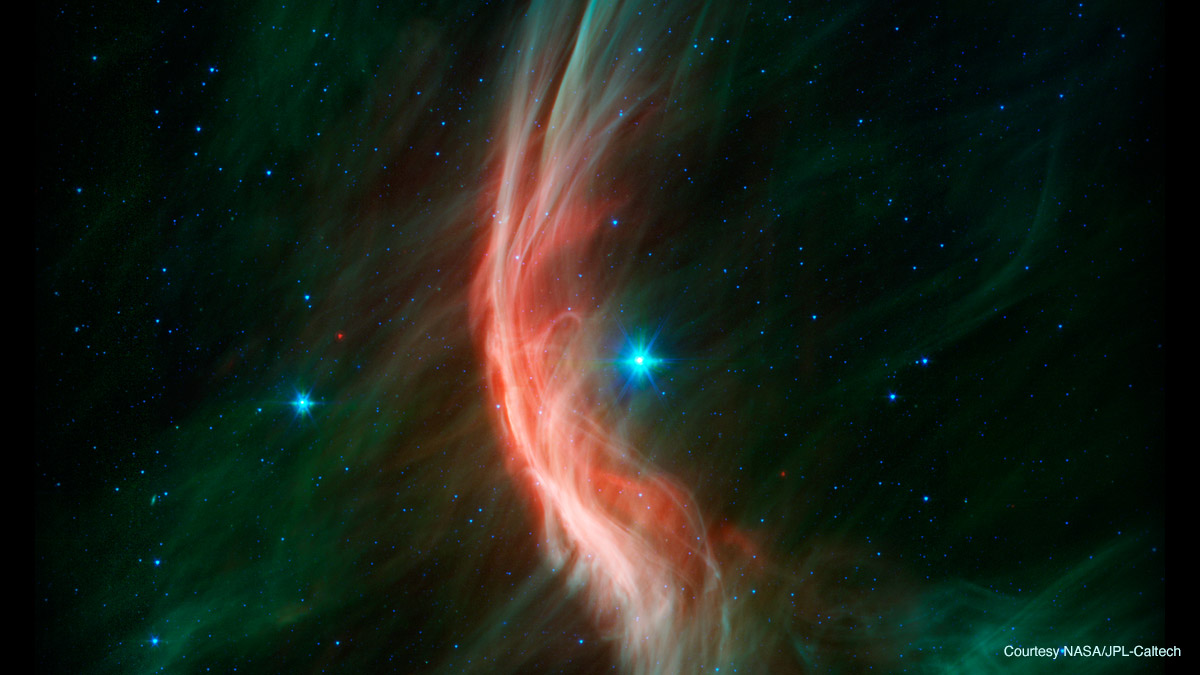
Zeta Ophiuchi, a brilliant blue giant star in the constellation Ophiuchus, is known as the “runaway star” due to its high-speed movement through space. This motion, caused by a past supernova explosion of its companion star, creates a captivating bow shock. Despite its luminosity, interstellar dust obscures its brilliance from casual observers.
WZ Cassiopeiae: A Scarlett Variable Double Star in Cassiopeia
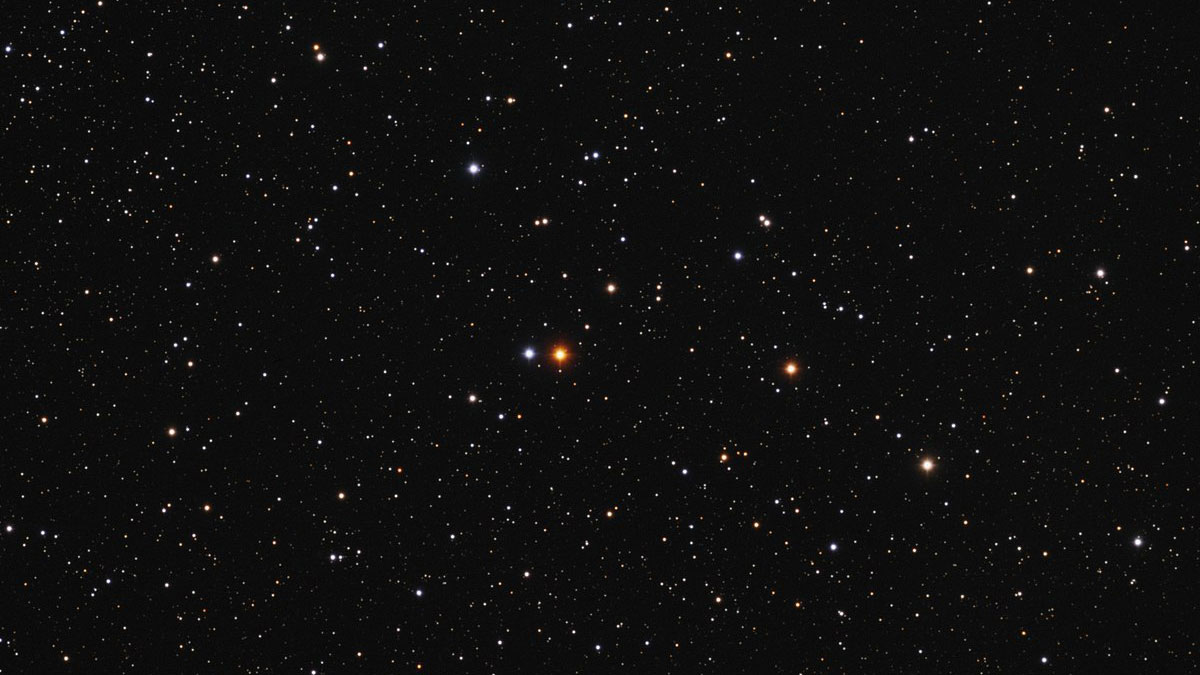
WZ Cas, known as WZ Cassiopeiae, shines at a variable magnitude between 6.3 and 8.8. It’s classified as a C-N7 III star. It is a red-colored carbon star in the constellation Cassiopeia. It’s also known as SAO 21002, HIP 99, HD 224855.
La Superba: One of the Reddest Stars in the Sky

One night, La Superba appeared randomly on my astronomy app while I navigated the springtime sky. I stared at the map for a moment, scratched my head, and believed the name to be a mistake. I pressed the information icon by the reddish pixel to reveal a summary of La Superba, including the fact thatContinueContinue reading “La Superba: One of the Reddest Stars in the Sky”
Mu Cephei: The Beautiful Garnet Star in Cepheus

Mu Cephei, also known as the Garnet Star, is a red supergiant star in the constellation Cepheus. It’s best viewed in autumn.
RY Draconis: One of Draco’s Crimson Carbon Stars
RY Draconis (RY Dra) is a carbon star in the Draco constellation, noted for its rich red hue and unique atmospheric processes. This variable star’s brightness fluctuates between magnitudes 6.0 and 8.0. It is best observed near Kappa Draconis, visible year-round from northern latitudes, making it a popular target for astronomers.
Algol (Beta Persei): The Devilish Winking Star

In the constellation of Perseus, around 93 light-years away, lies Algol, also known as the “Demon Star.” It’s a binary system where a dimmer star eclipses the brighter one every 2.87 days, causing a noticeable change in brightness, creating a characteristic “blink” that has fascinated observers for centuries. The star is also known as Beta Persei, β Per, 26 Persei, HD 19356, HIP 14576, HR 936, and SAO 38592.
VX Andromedae: A Burgundy Carbon Star in Andromeda
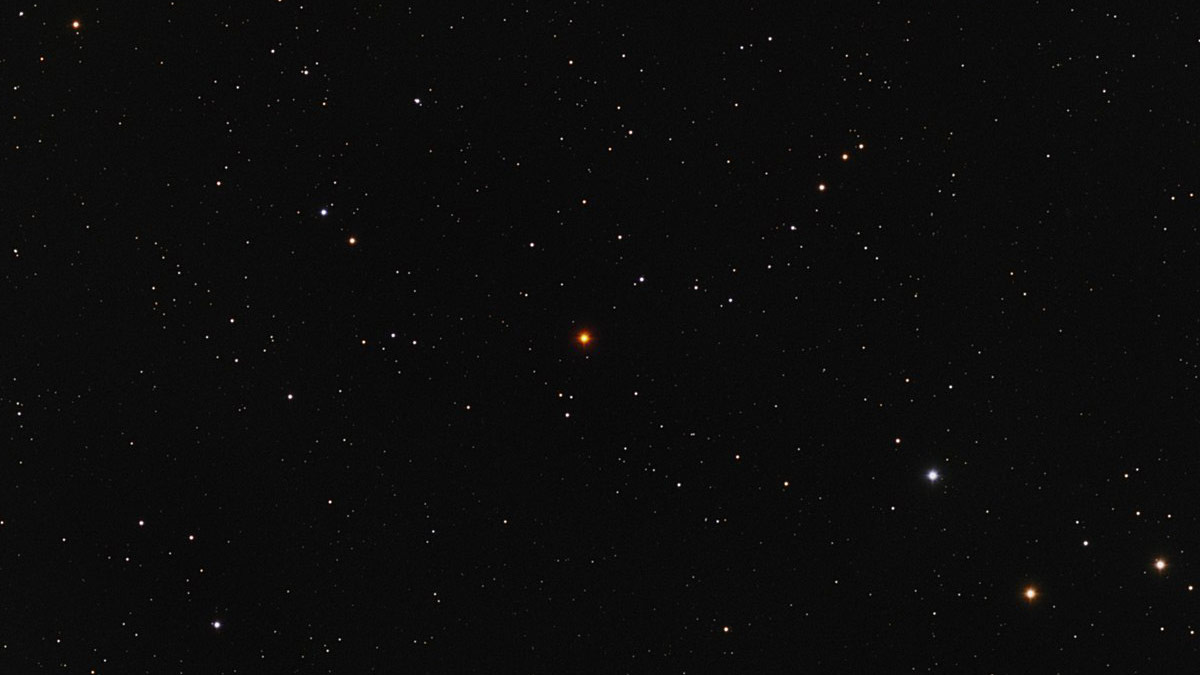
VX Andromedae is a carbon star with a middle red hue. One can view it best on autumn nights as it lies in the constellation Andromeda. It’s also known as HD 1456.
 The Garden Astronomer