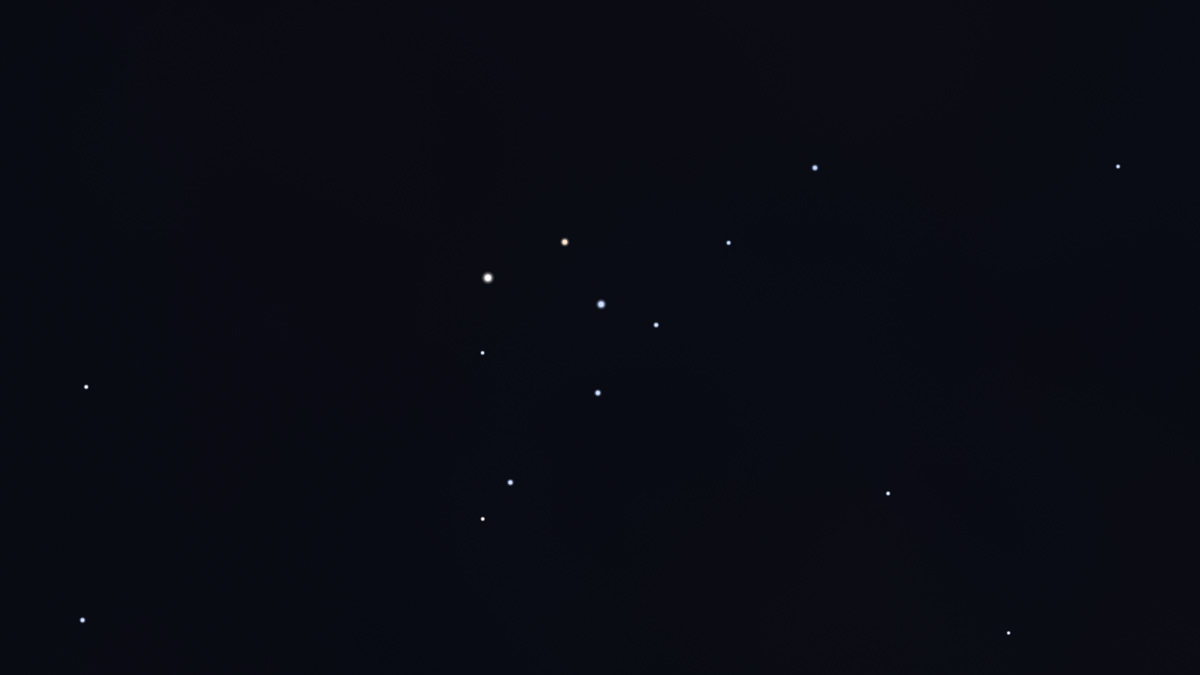
The Coathanger asterism, located in the constellation Vulpecula, is a distinctive pattern of ten stars resembling an old wire hanger. Initially described by Al Sufi in the 10th century, it’s not a true star cluster but an asterism. Ideal for binocular viewing, it’s perfect for casual stargazers. Also known as Brocchi’s Cluster and cataloged as Collinder 399.
Category Archives: Star Clusters
NGC 1758: A Hidden Gem in Taurus’ Starry Landscape

NGC 1758 is a lesser-known open star cluster in the constellation Taurus. Discovered by William Herschel in 1785, it is approximately 700 million years old. Though not visible to the naked eye, it provides valuable insights into stellar evolution. Its proximity to NGC 1750 poses observational challenges.
NGC 2451: A Stinging Scorpion Down South in Puppis
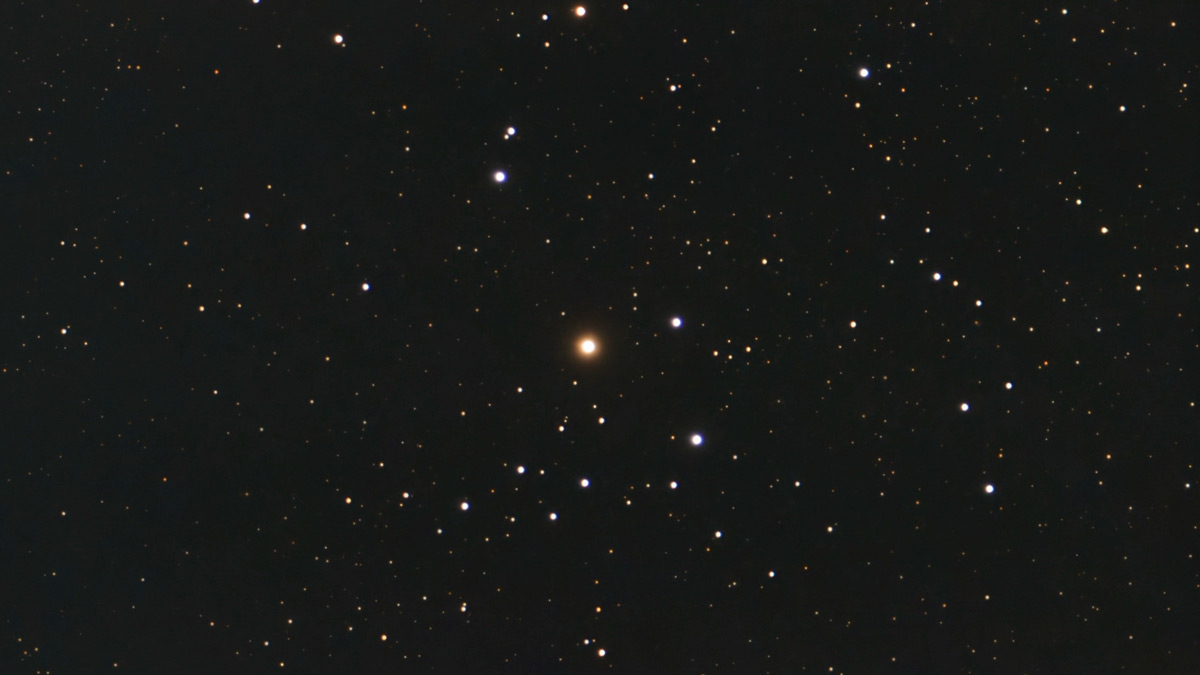
NGC 2451, a star cluster in the Puppis constellation, shines brightly during late autumn and winter. With around 40 stars, including the prominent C Puppis, it’s visible with binoculars. The cluster is an optical illusion of two separate groups. First noted by Hodierna in the 17th century, NGC 2451 offers a captivating viewing experience.
NGC 6819: The Foxhead Cluster
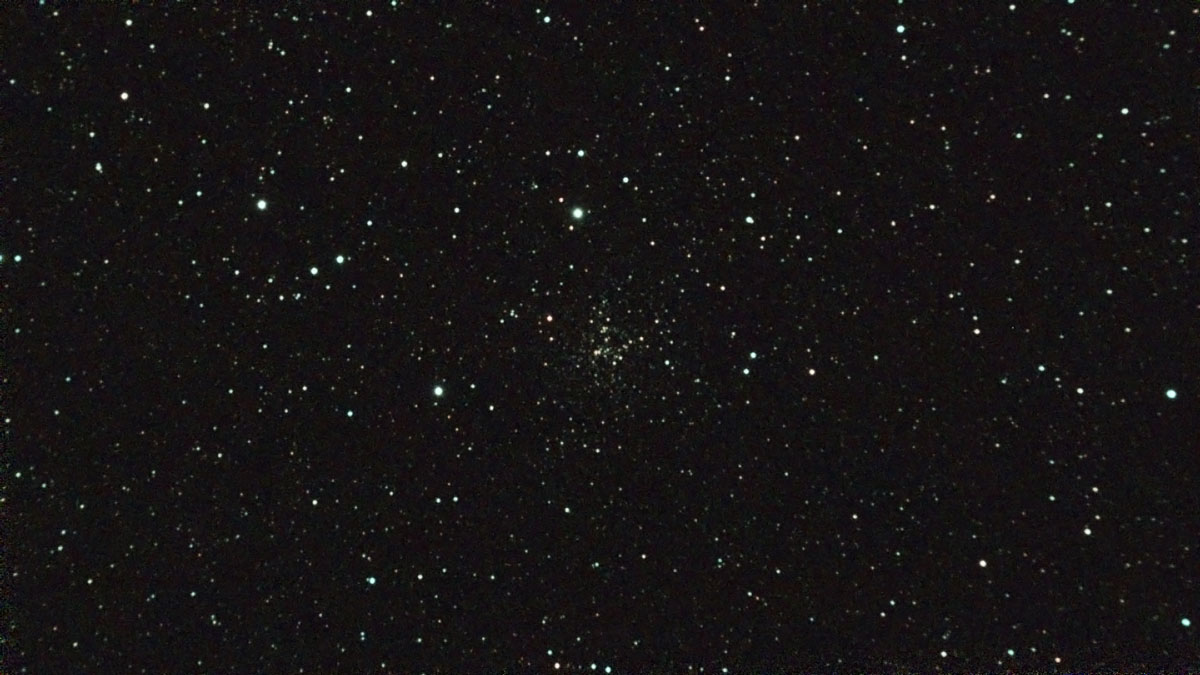
The constellation Cygnus is rich with countless celestial objects. Among these is the open star cluster NGC 6819, a great assembly of stars also known as the Foxhead Cluster. Backyard astronomers can enjoy visiting the fox head on summer and autumn nights, much like the pioneering astronomer Caroline Herschel, who first observed it on May 12, 1784.
NGC 2353: Taking a Trip to Avery’s Island, a Star Cluster in Monoceros

The faint winter constellation Monoceros features a nice collection of star clusters and deep sky objects, including the famous Christmas Tree cluster and Avery’s Island, also known as NGC 2353. The cluster features more than 100 stars.
NGC 2169: A “37” Tattooed on Orion’s Outstretched Arm
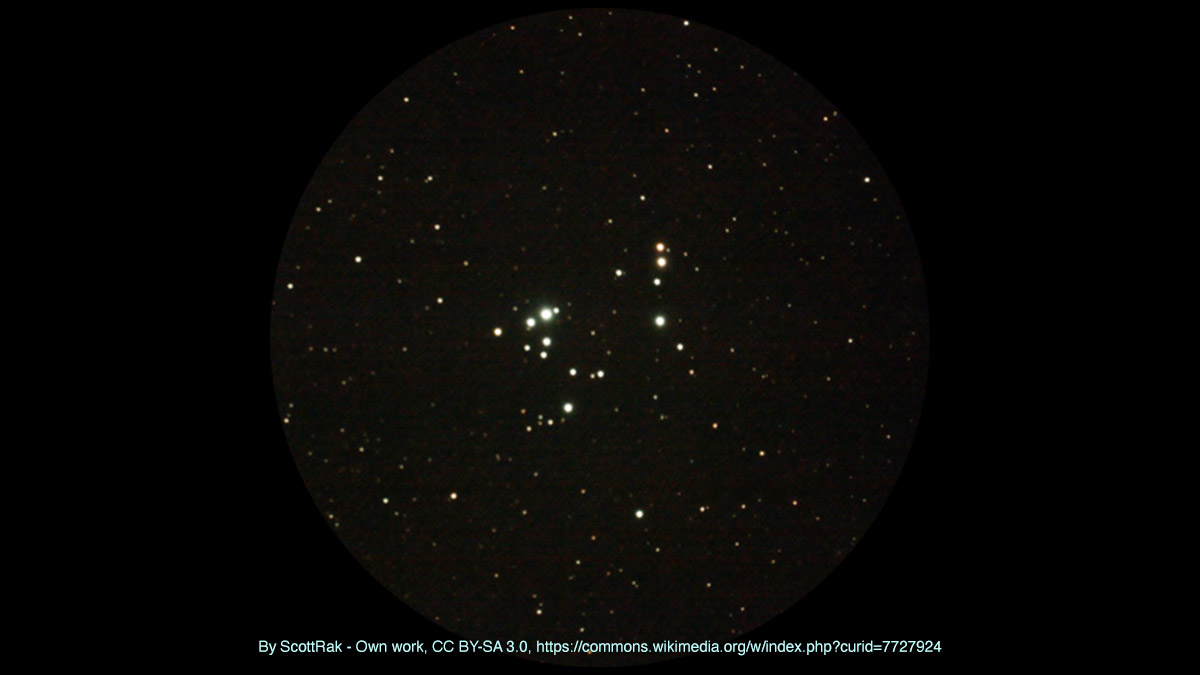
High above Orion’s Nebula and belt lies the star cluster NGC 2169, affectionately known as the “37 Cluster.” This arrangement of stars earned its nickname due to its resemblance to the number 37 when viewed through a small telescope or binoculars. It’s also known as Collinder 83, XY Cluster, and the LE Cluster
IC 348: A Stellar Nursery and Fireworks Show in Perseus
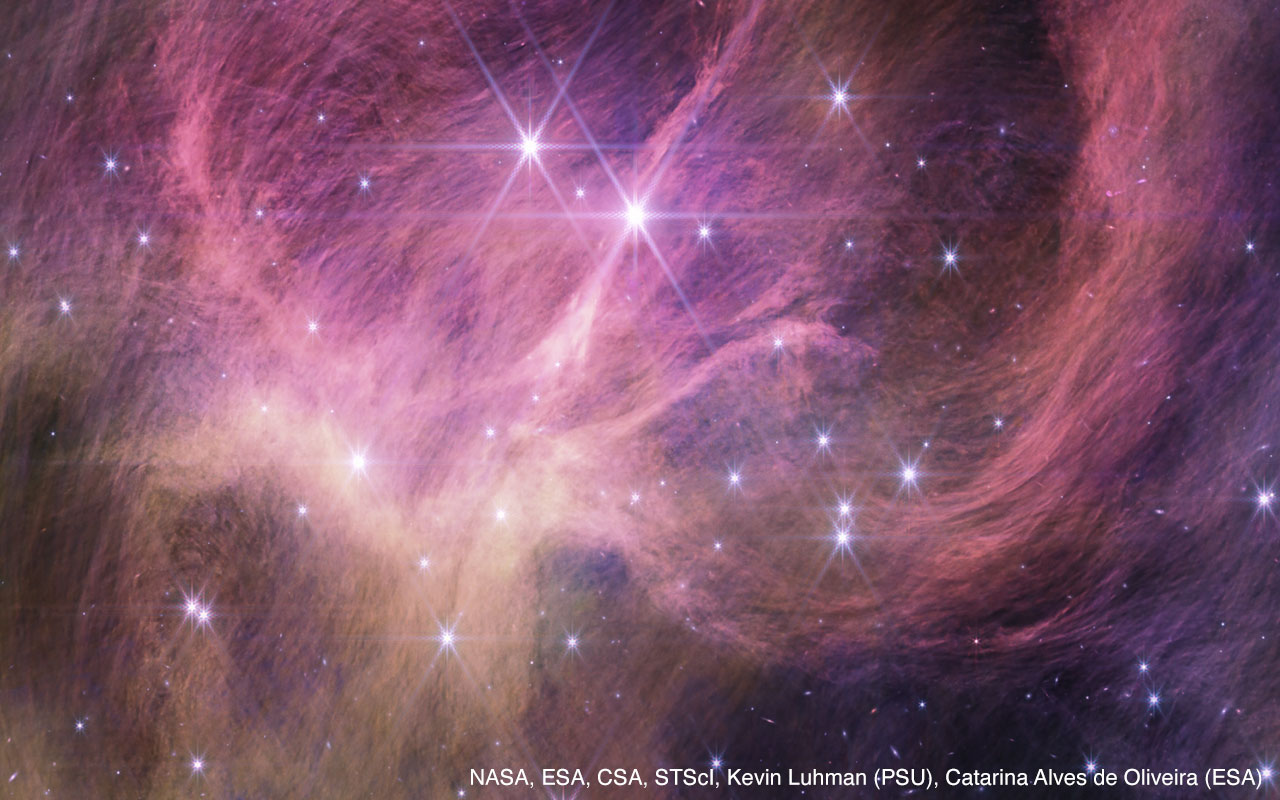
IC 348 is a beautiful star cluster wrapped in a veil of milky nebulosity. On autumn and winter nights, turn your attention to the Perseus constellation and this cosmic cradle where stars are born. It’s also known as C 0341+321, Collinder 41.
NGC 6709: An 8-Bit Game Character in Aquila’s Star Cluster
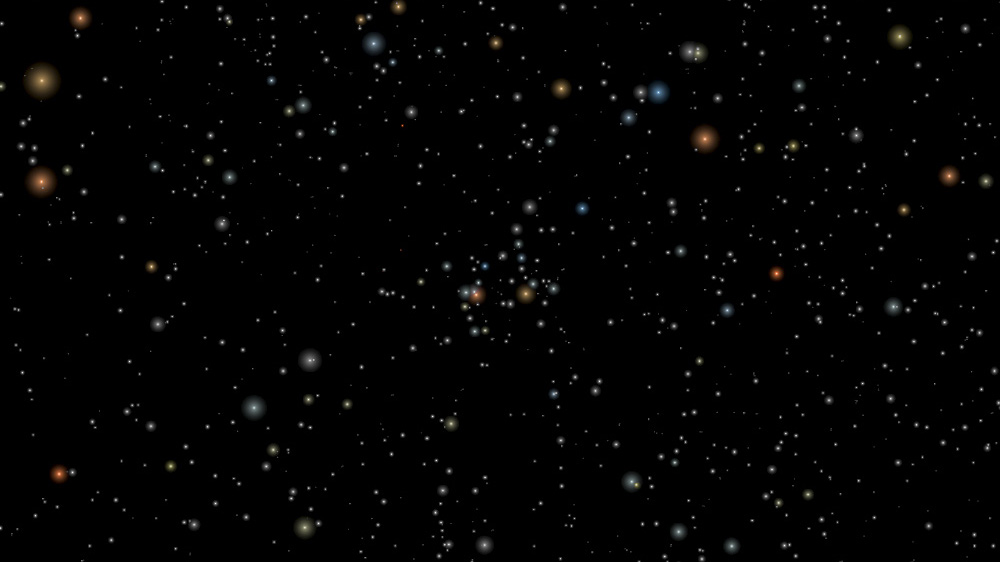
NGC 6709 is located in the constellation Aquila (the Eagle) best viewed on late summer and early autumn nights. This congregation of stars was first documented by the renowned astronomer William Herschel in 1784. One may not find much written about the cluster, but this fact doesn’t diminish its attractiveness. Approximately 300 stars make upContinueContinue reading “NGC 6709: An 8-Bit Game Character in Aquila’s Star Cluster”
 The Garden Astronomer