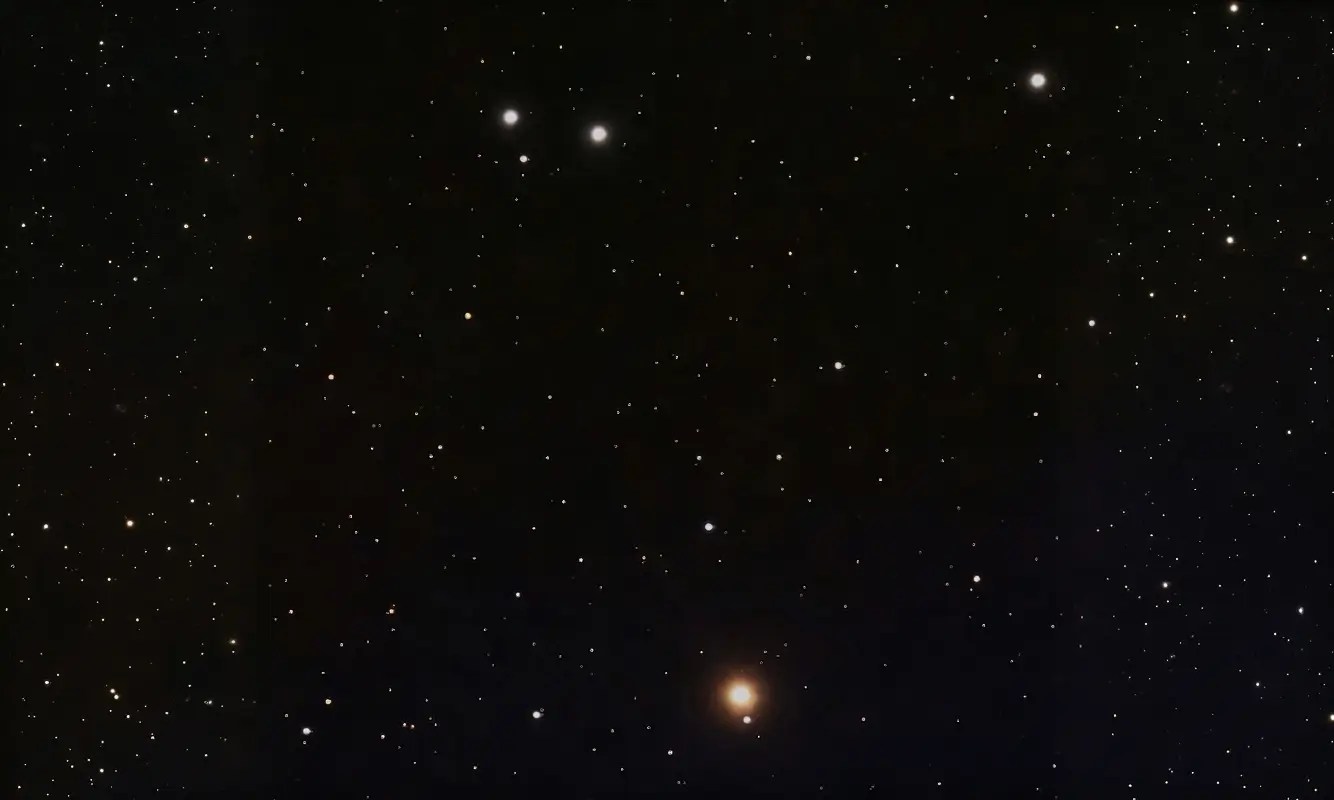
Explore the Pi Puppis Cluster (Collinder 135), a bright, loose star group in Puppis, with tips for finding it and a personal binocular observing story.
Category Archives: Top Object
Monkey Head Nebula (NGC 2174): Orion’s Hidden Face
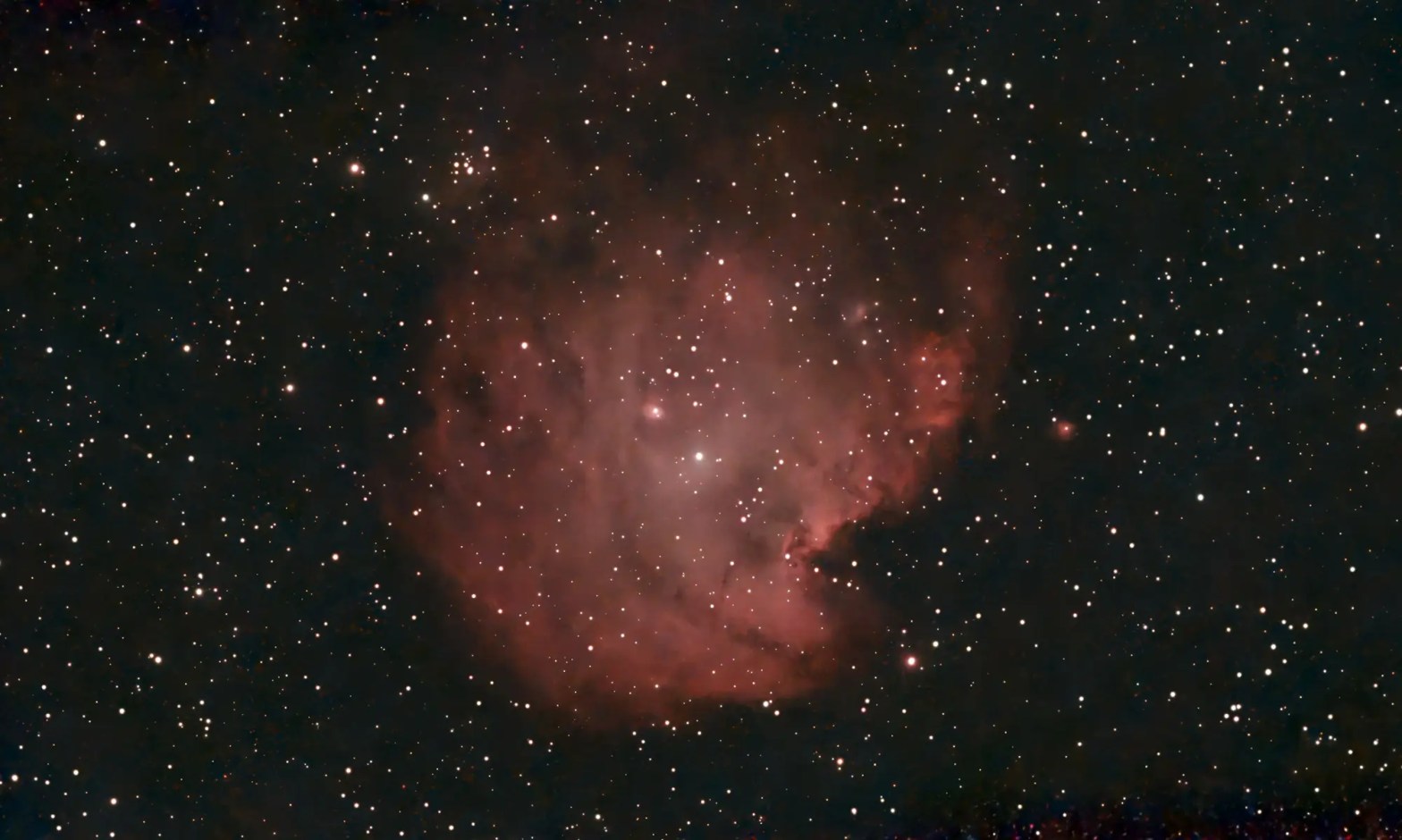
Explore the Monkey Head Nebula (NGC 2174) in Orion—its glowing red gas, newborn stars, discovery history, and tips for observing this hidden winter deep-sky object.
The Great Comet of 1861: When Earth Grazed a Comet’s Tail
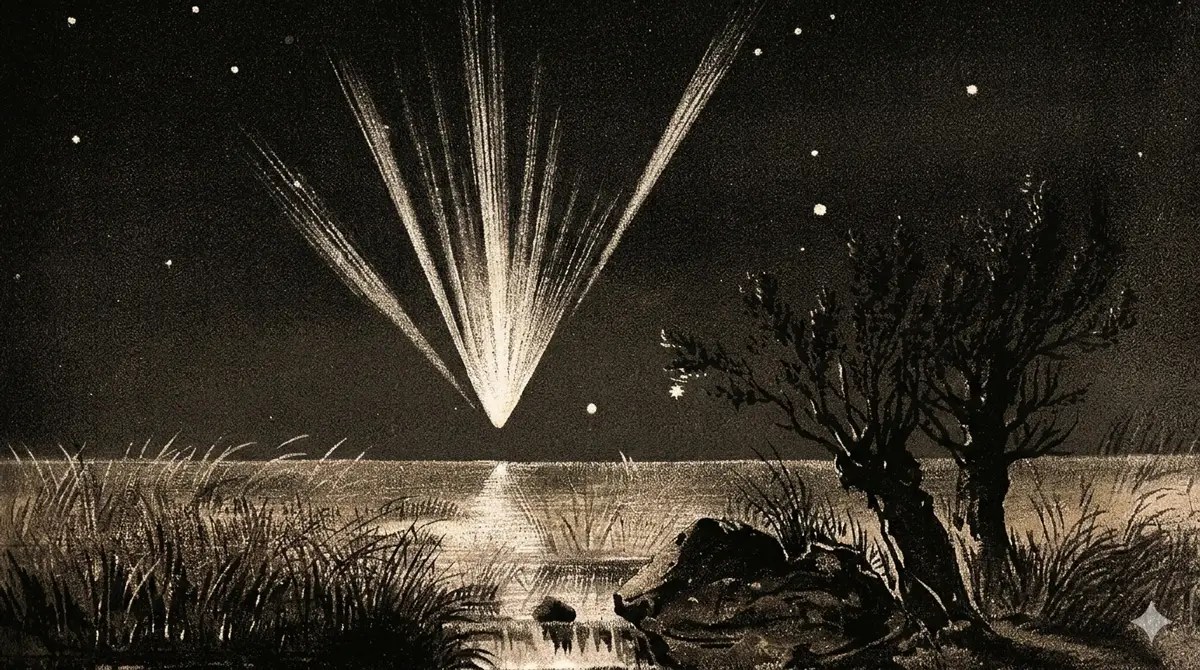
The Great Comet of 1861 stunned the world as Earth passed through its tail. Discover how a farmer-astronomer and Civil War witnesses saw history.
The Great Comet of 1744: Six Tails at Dawn
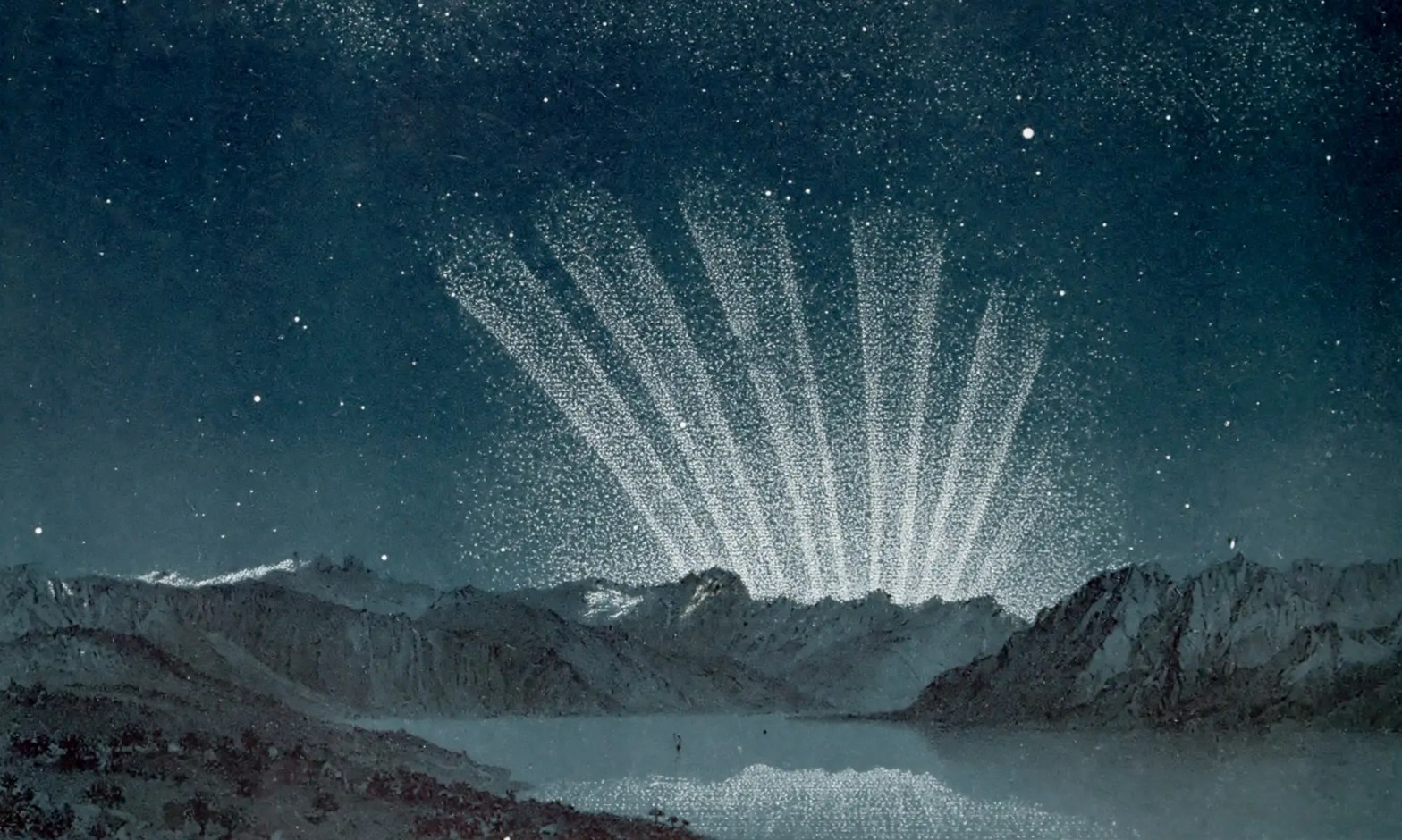
Uncover the mystery of the Great Comet of 1744. From its six-tailed fan to inspiring a young Charles Messier, relive the dawn that changed astronomy.
Donati’s Comet 1858: The Comet That Stunned the World
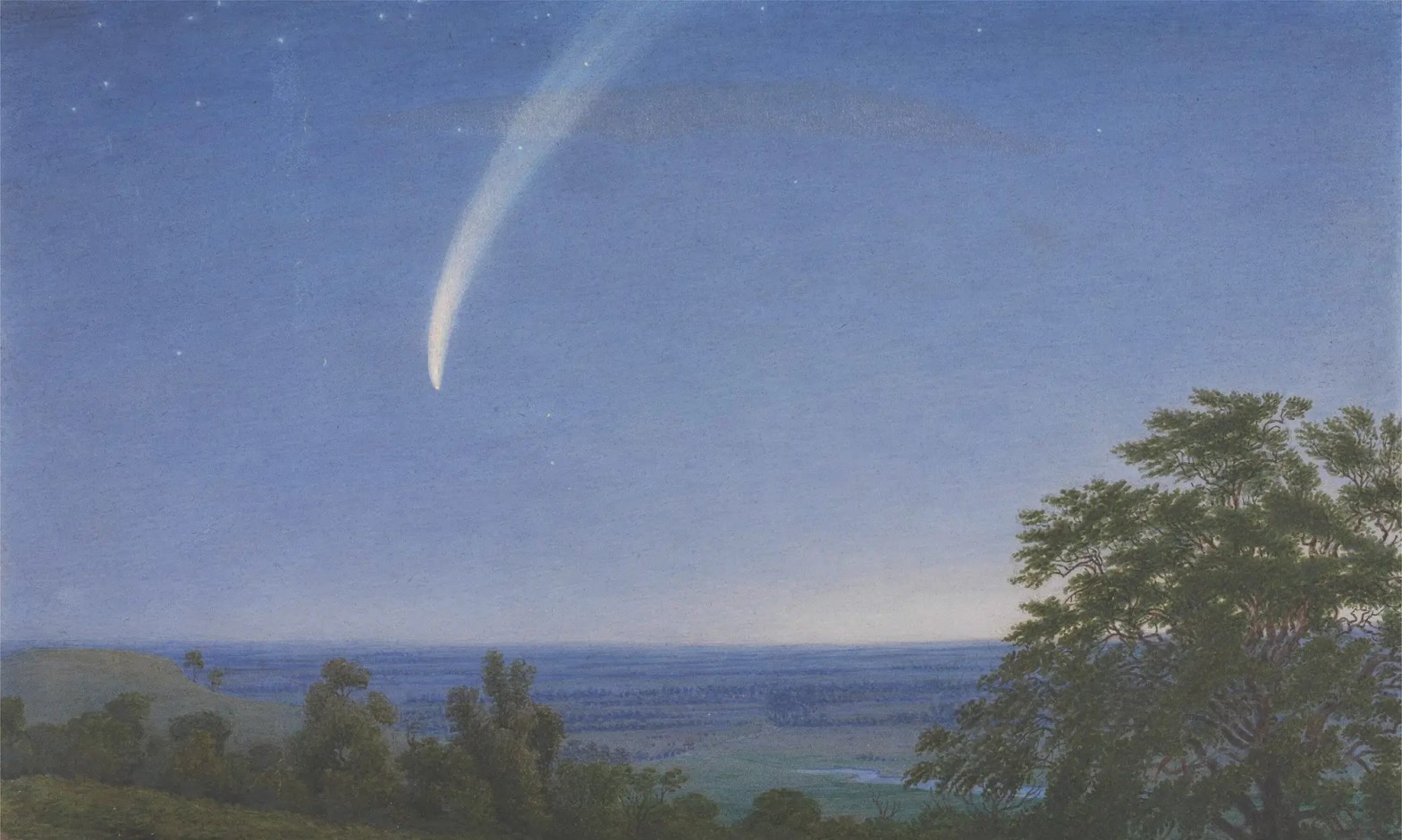
Explore Donati’s Comet of 1858—its historic observations, first photographs, and global impact, from Florence skies to Abraham Lincoln’s gaze.
Silent Fireballs, Thunderous Awe: The 1913 Meteor Procession
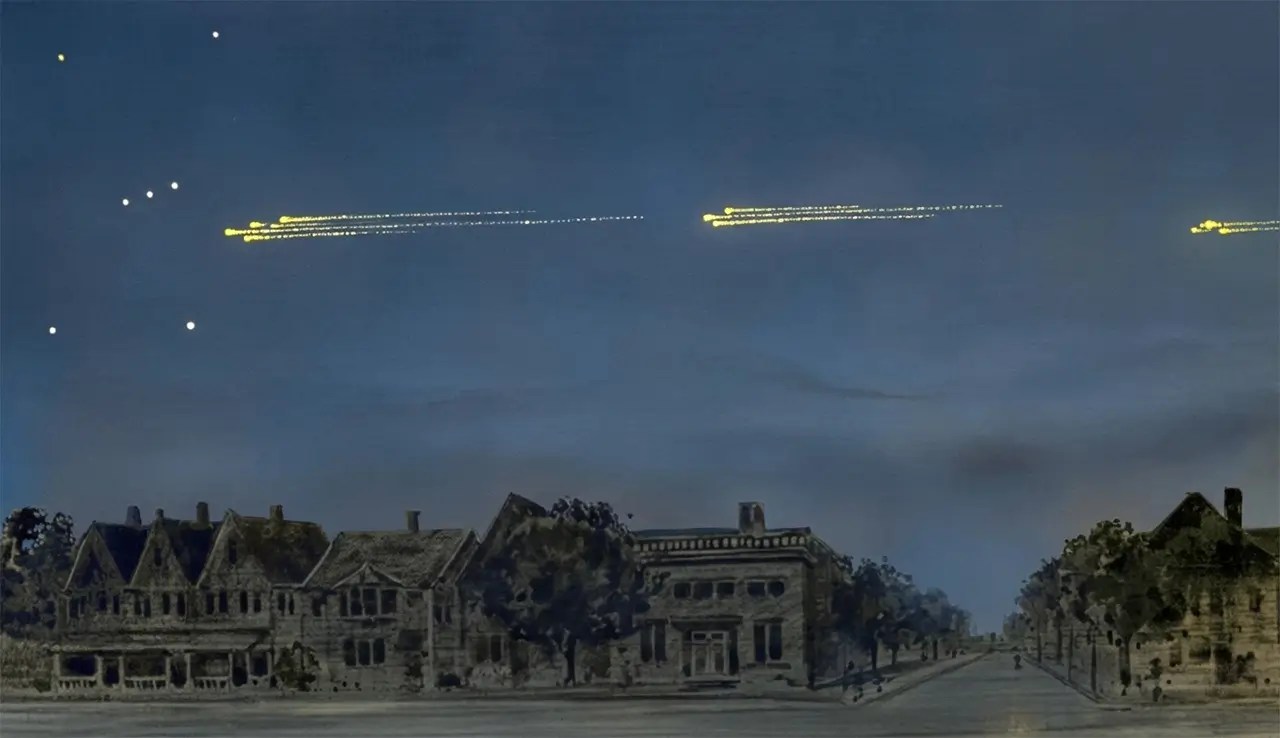
Eyewitness accounts of the rare 1913 Great Meteor Procession, a slow-moving fireball display across Canada, Bermuda, and the South Atlantic.
Messier 93: The Wedge-Shaped Open Cluster in Puppis
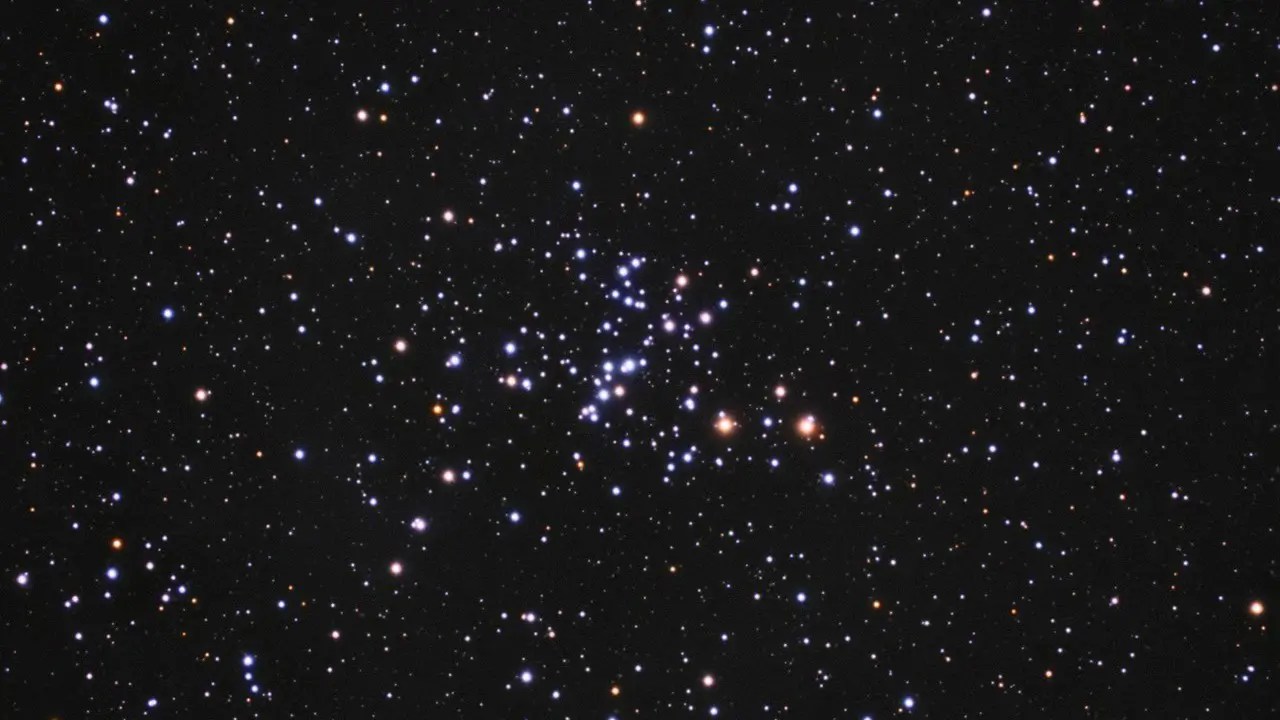
Learn about Messier 93, a wedge-shaped open star cluster in Puppis—its history and how to observe it with binoculars or a telescope.
The Flame Nebula (NGC 2024): Orion’s Subtle Fire
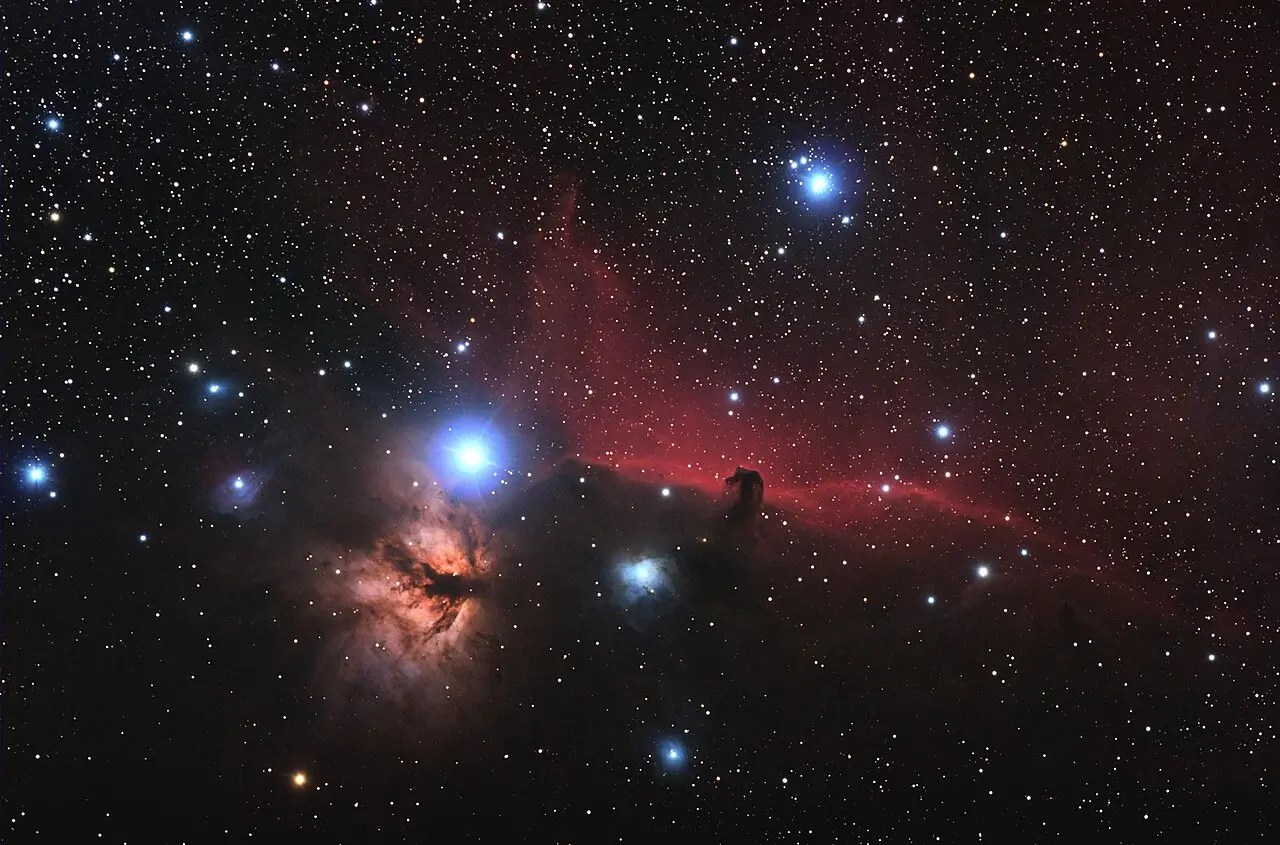
Discover Orion’s Flame Nebula, glowing crimson from hidden star IRS2b. Learn about its beauty and how to observe visually and with a Seestar.
 The Garden Astronomer